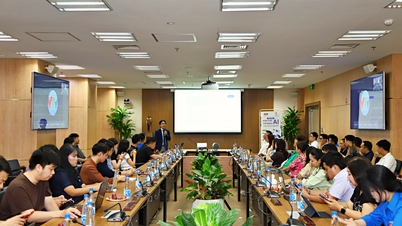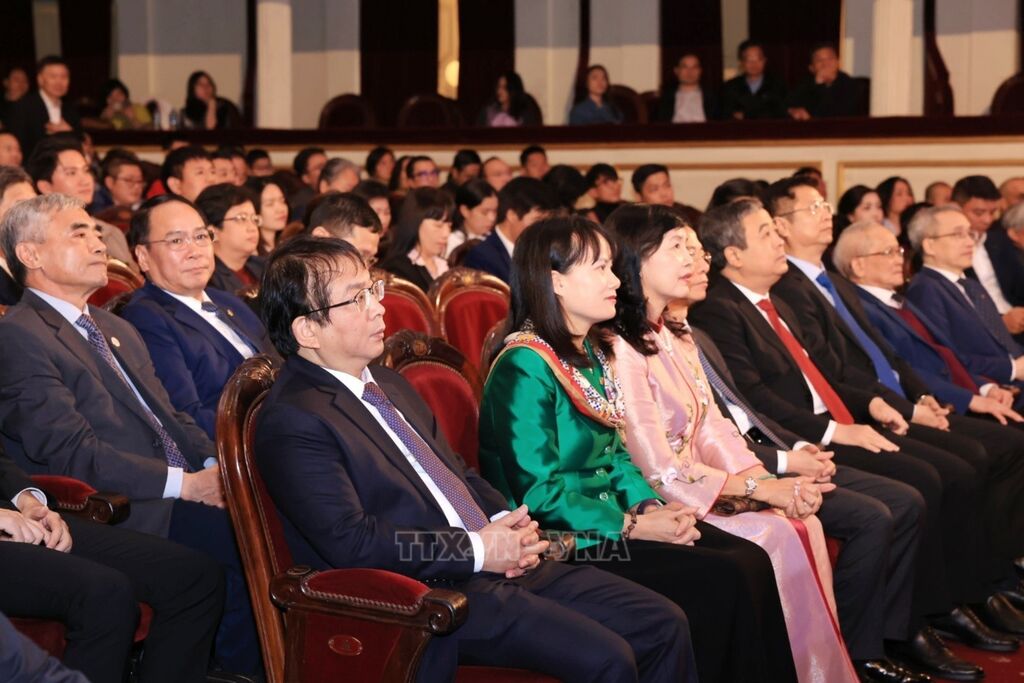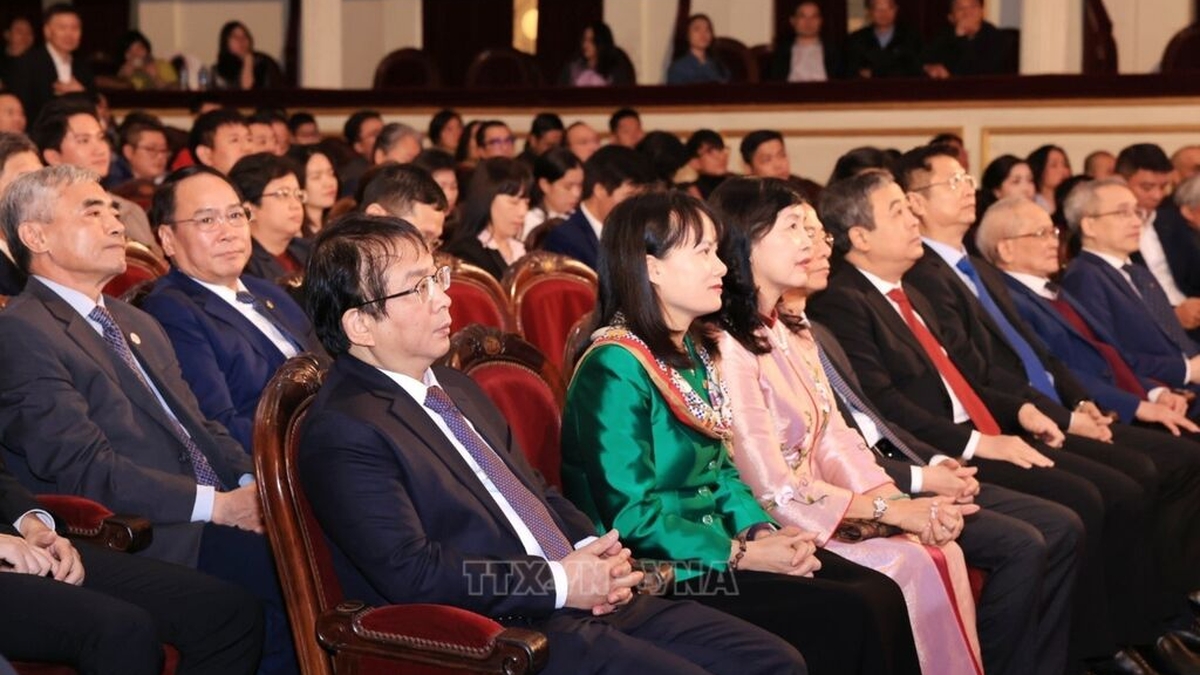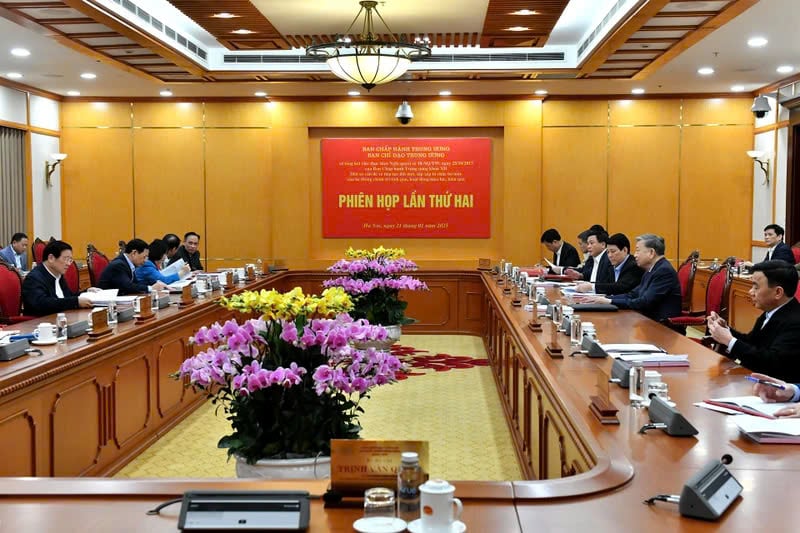

This morning (August 3rd), the Ho Chi Minh City People's Committee held the 5th meeting of the Advisory Council on the implementation of Resolution 98 of the National Assembly on special and superior mechanisms for the development of Ho Chi Minh City.
Unblocking key projects
Reporting at the conference, Deputy Director of the Ho Chi Minh City Institute for Development Research, Truong Minh Huy Vu, noted that after one year of implementing Resolution 98, the city has issued a significant number of policies.
This lays the groundwork for many future prospects in addressing bottlenecks and obstacles, as well as solving the problem of sustainable development for the city.
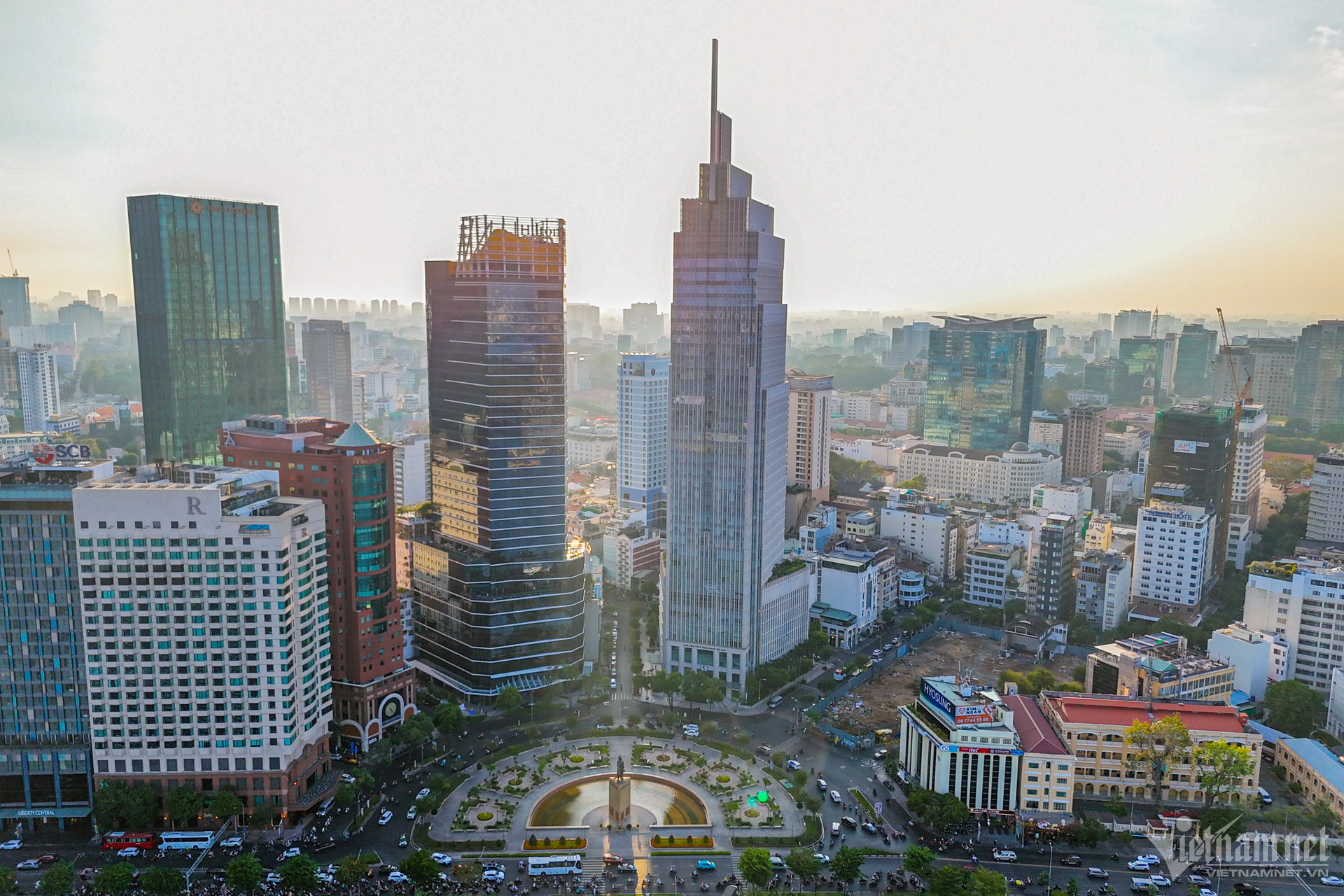
Specifically, to date, the Ho Chi Minh City People's Council has issued 34 resolutions in various fields such as: investment management; state finance and budget; urban management, natural resources and environment; organizational structure of the Ho Chi Minh City and Thu Duc City governments, establishment of the Food Safety Department; management of science , technology, innovation, etc.
In addition, according to Mr. Vu, the city has decentralized some responsibilities to departments, agencies, and localities, which helps speed up operations compared to before.
However, according to Mr. Vu, the application of Resolution 98 still has many limitations and requires more breakthrough solutions and support from relevant ministries and agencies to achieve better results.
Supplementing the planning with strategic locations for TOD (Transit-Oriented Development) implementation.
Presiding over the meeting, Vice Chairman of the Ho Chi Minh City People's Committee Vo Van Hoan highly appreciated the results after one year of implementing Resolution 98.
However, he believes that much work remains undone or inadequately done due to a passive mindset of "waiting for tasks to come before taking action."
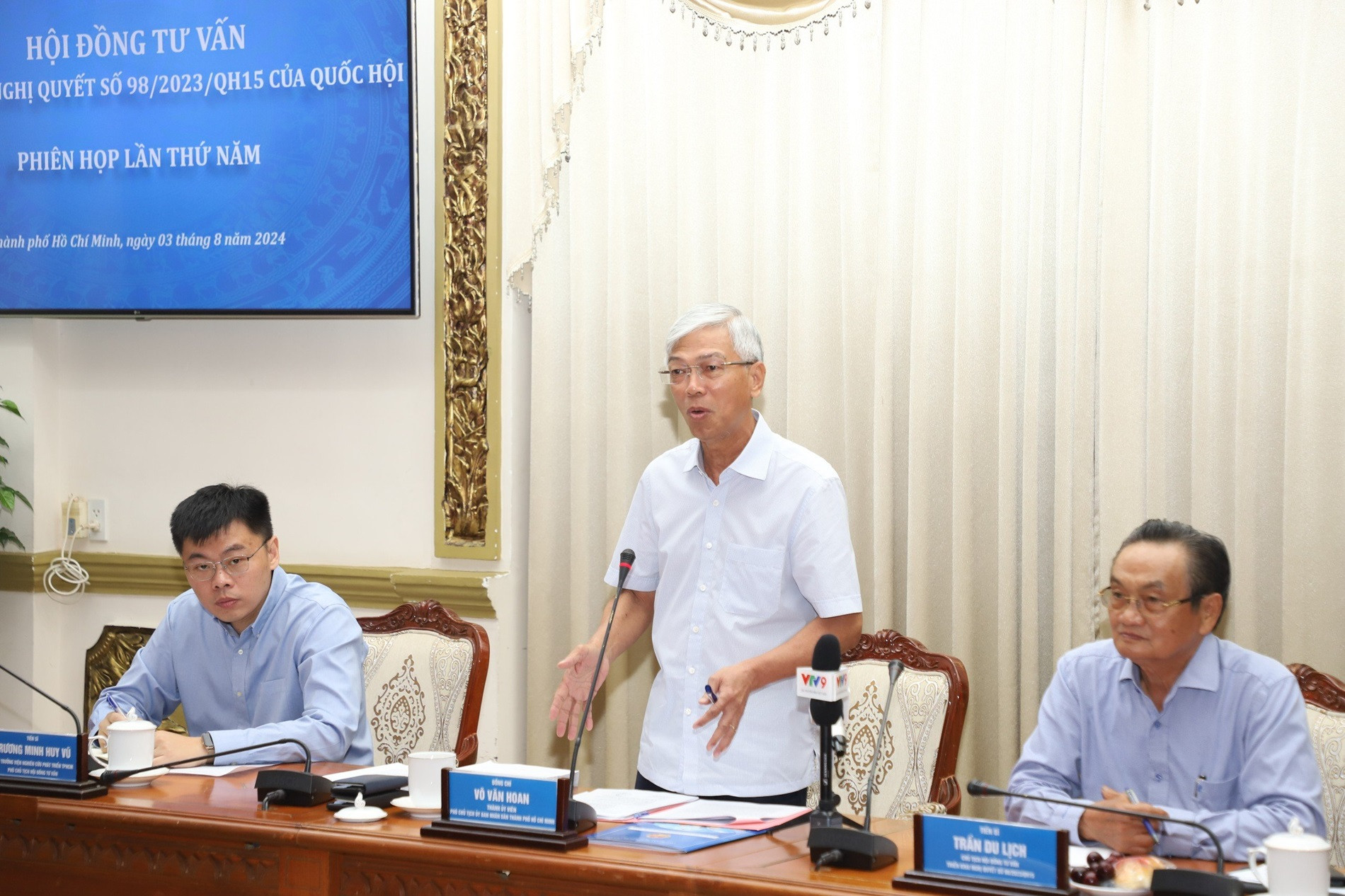
“Resolution 98 gives us superior, pioneering mechanisms for piloting. But we are passive, not preparing in advance, and only act when problems arise. Therefore, the results achieved are still not as expected by the city,” Mr. Hoan noted.
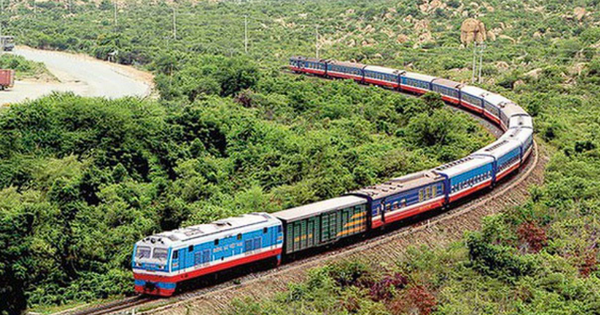
Mr. Hoan cited an example: the resolution allowed the city to pilot the construction of TOD (Transit-Oriented Development) along metro lines and Ring Road 3. However, the relevant departments and agencies have not yet conducted research or added to the planning, so nothing has been implemented to date.
"We've talked about this issue, but we've forgotten about it during the process, constantly researching some vague TOD model that isn't included in the planning," Mr. Hoan noted.
Therefore, he requested the Department of Planning and Architecture to coordinate with the Department of Transport to orient the spatial development of infrastructure, supplementing the planning of strategic locations for the implementation of TOD (Transit-Oriented Development).
With a well-defined planning strategy, the city will be able to create transparency to attract strategic investors or mobilize resources from society.
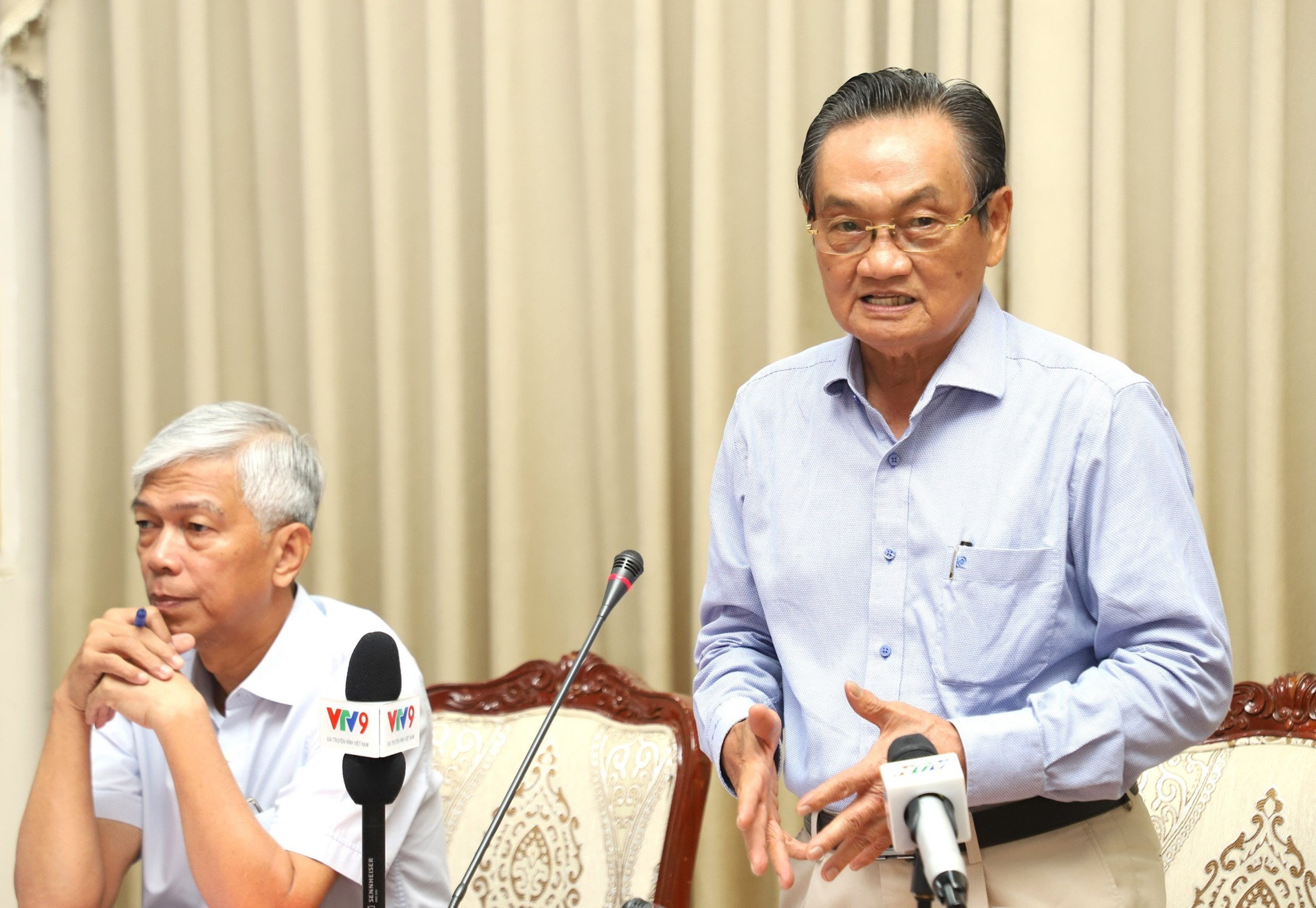
Dr. Tran Du Lich, Chairman of the Advisory Council for the Implementation of Resolution 98, emphasized the need to identify land for TOD (Transit-Oriented Development) projects for auction and to generate funding for their implementation. According to him, the land use fees from auctions should be allocated to the specific project and not be mixed into the general budget.
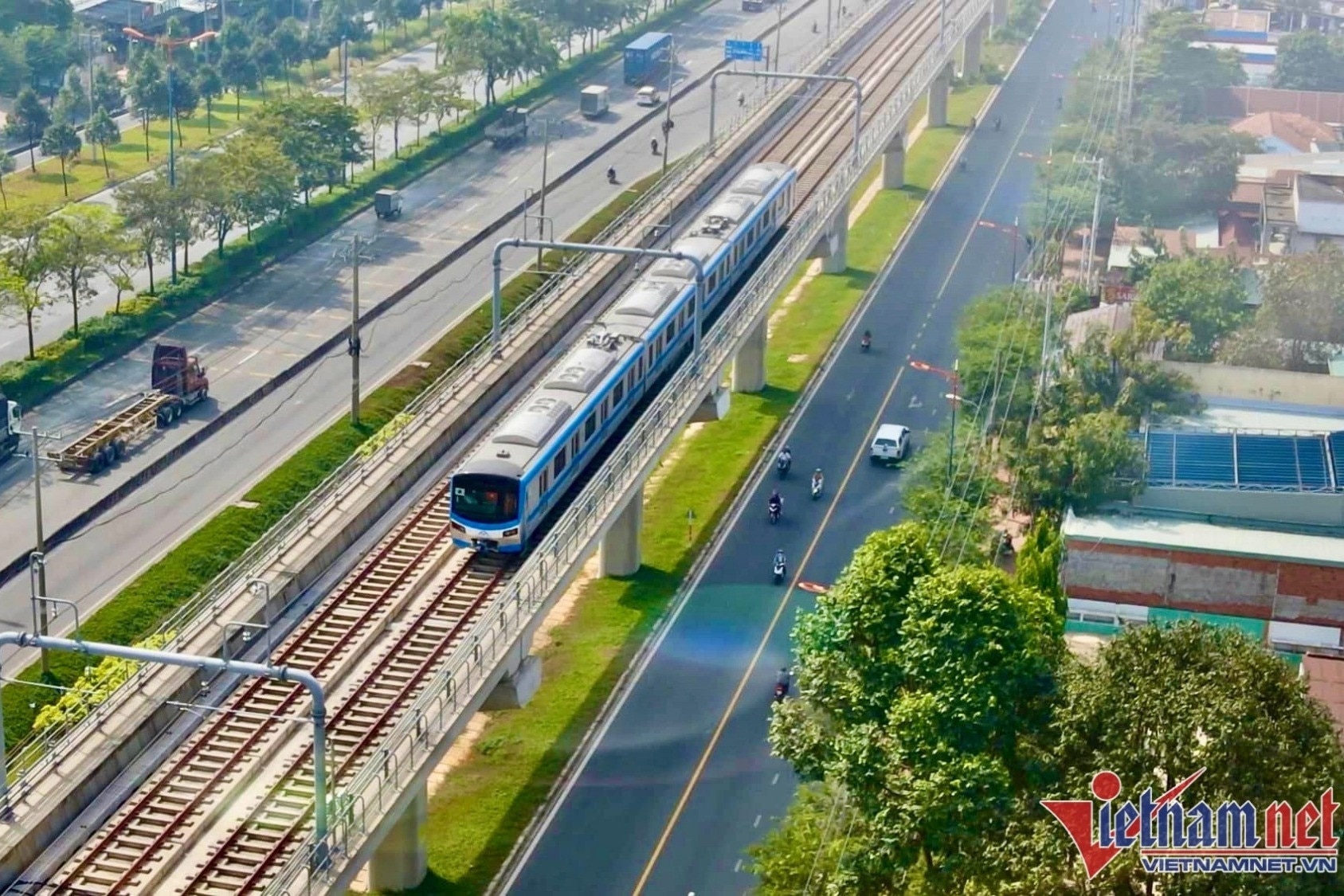
Reporting at the conference, a representative from the Department of Planning and Architecture acknowledged that the TOD (Transit-Oriented Development) model is planned along metro lines. However, on metro line 1, which is nearing completion, no TOD projects have been implemented, despite the presence of over 550 hectares of public land along the line.
"The Department has submitted and advised the City People's Committee on this matter, but we have not yet seen any investors or businesses register or propose to undertake the project," said the representative of the Department of Planning and Architecture.


According to architect Ngo Viet Nam Son, implementing TOD (Transit-Oriented Development) requires identifying three key issues: a change in mindset, organizational methods, and the establishment of a legal framework as a basis.
He argued that implementing TOD (Transit-Oriented Development) requires a market-oriented mindset, harmonizing the interests of citizens, businesses, and the state. Implementation must be synchronized, meaning that all departments and agencies must coordinate seamlessly. Each department and agency should handle a specific task, but must commit to a completion deadline.

“We have eight metro lines in the future to implement TOD (Transit-Oriented Development). But first, we need to complete and quickly put metro line number 1 into operation to regain trust and attract people… which will then spread to the remaining lines in the future.”
"In addition, implementing TOD requires a legal framework as a basis so that leaders can act without hesitation or fear of making mistakes," Mr. Son expressed.
Source: https://vietnamnet.vn/tphcm-duoc-thi-diem-dau-tien-mo-hinh-tod-nhung-moi-o-muc-noi-quen-lam-2308314.html