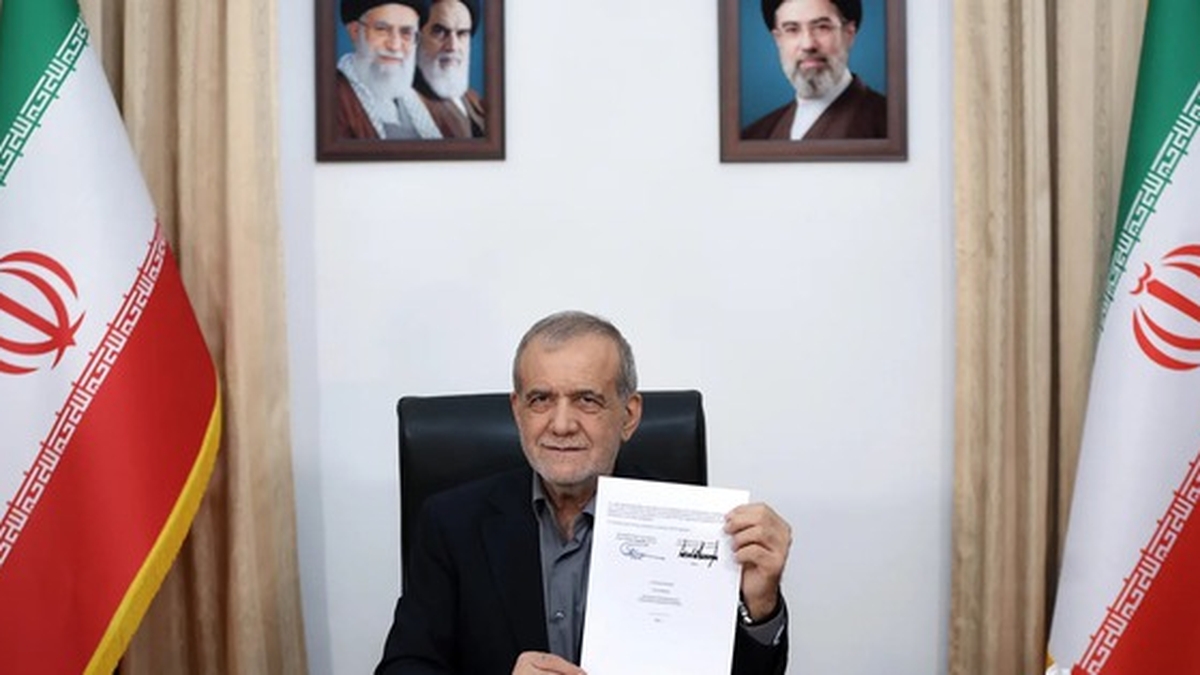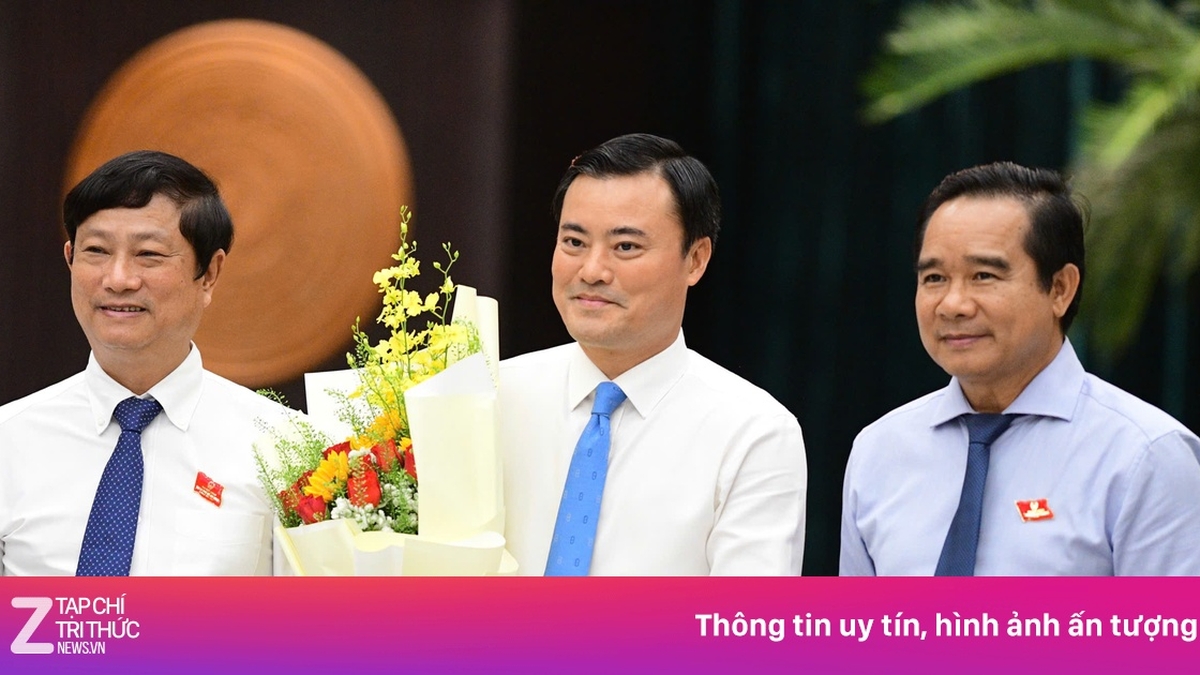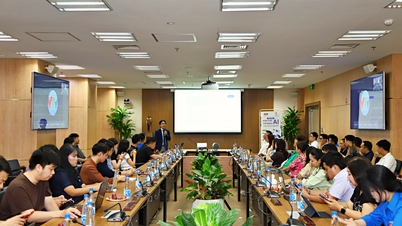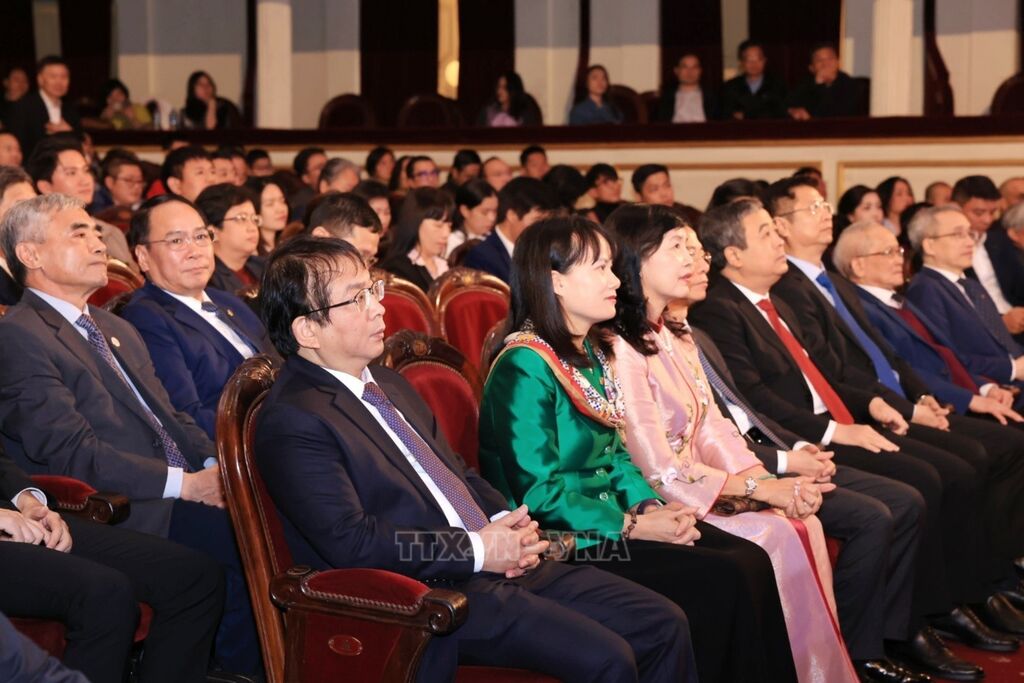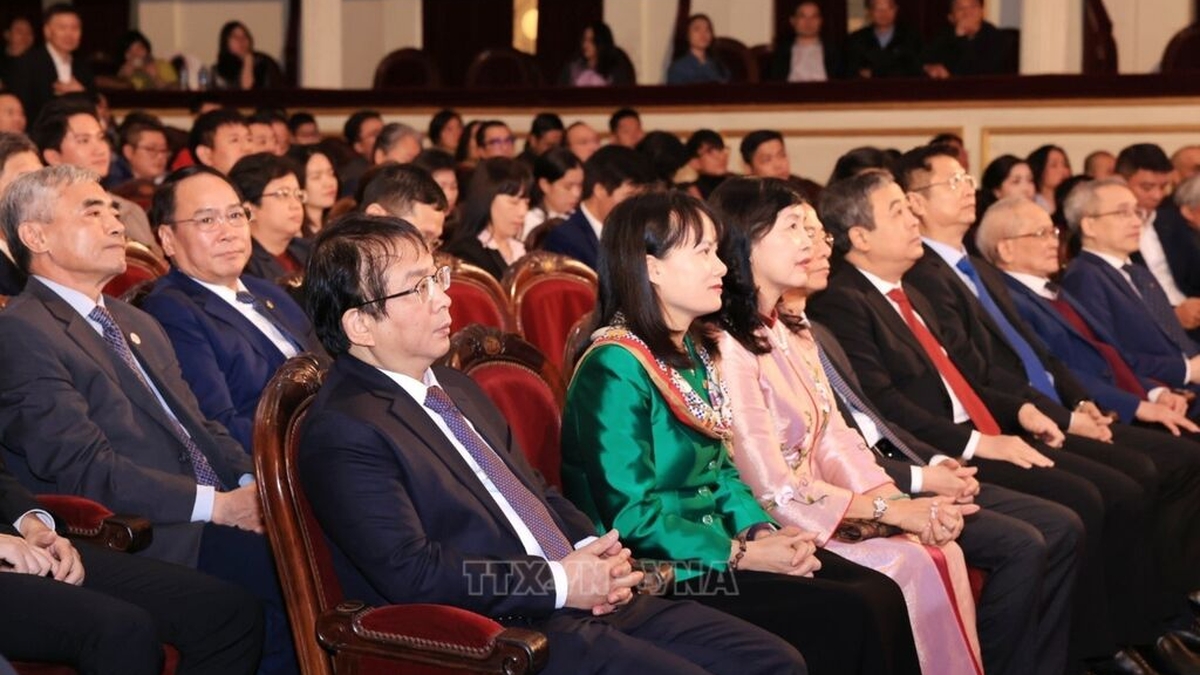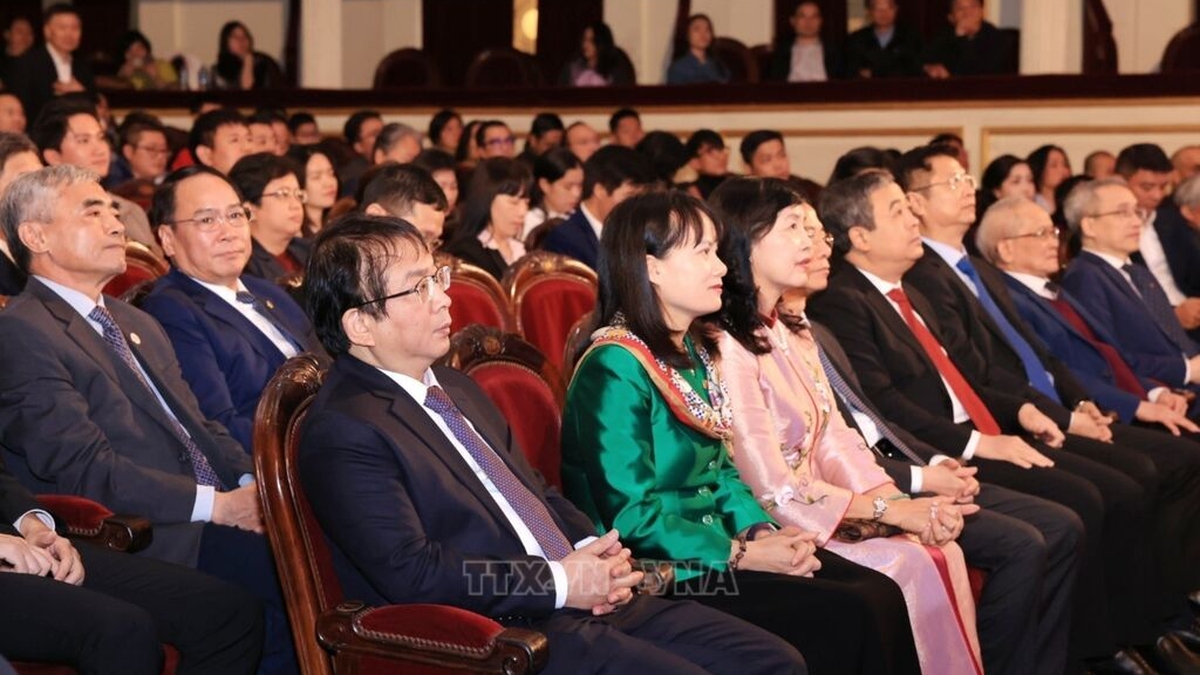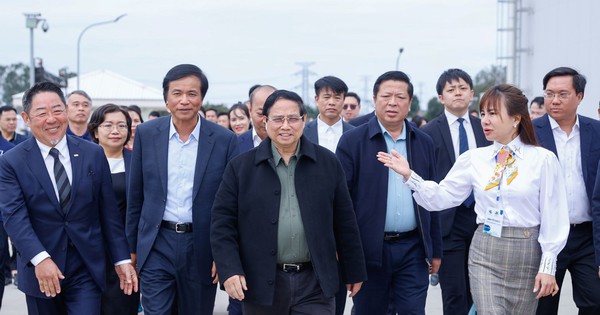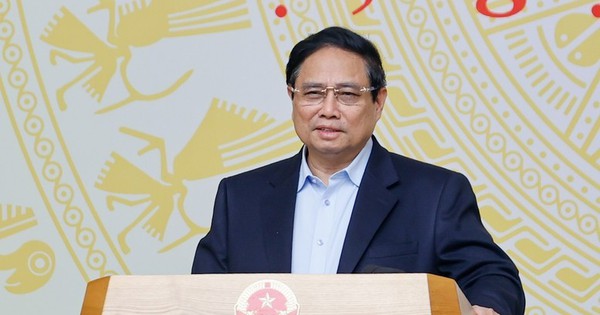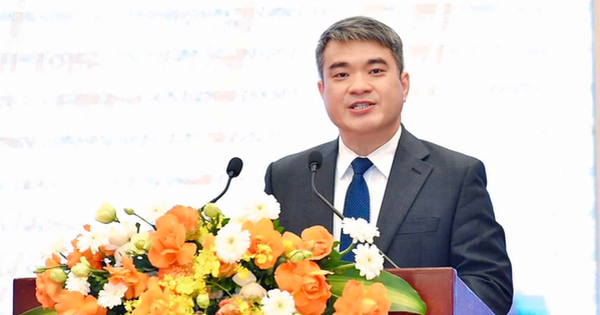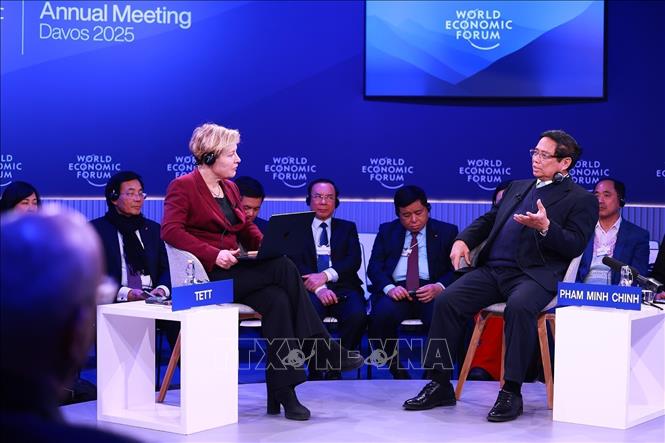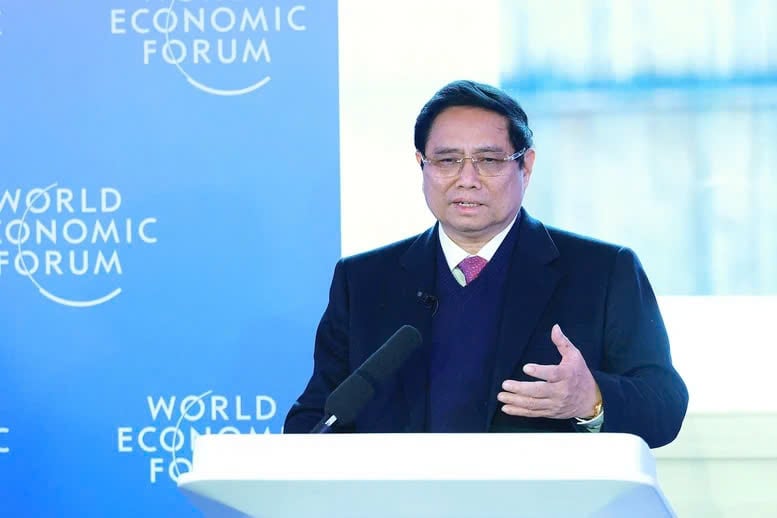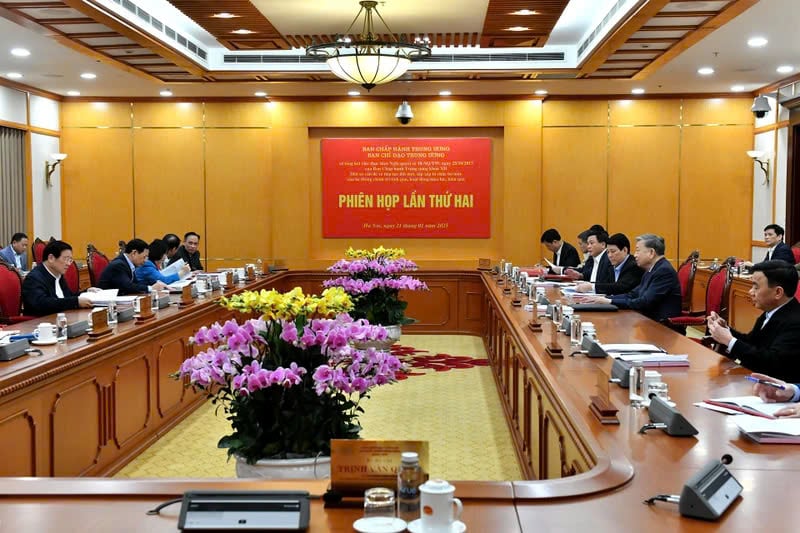

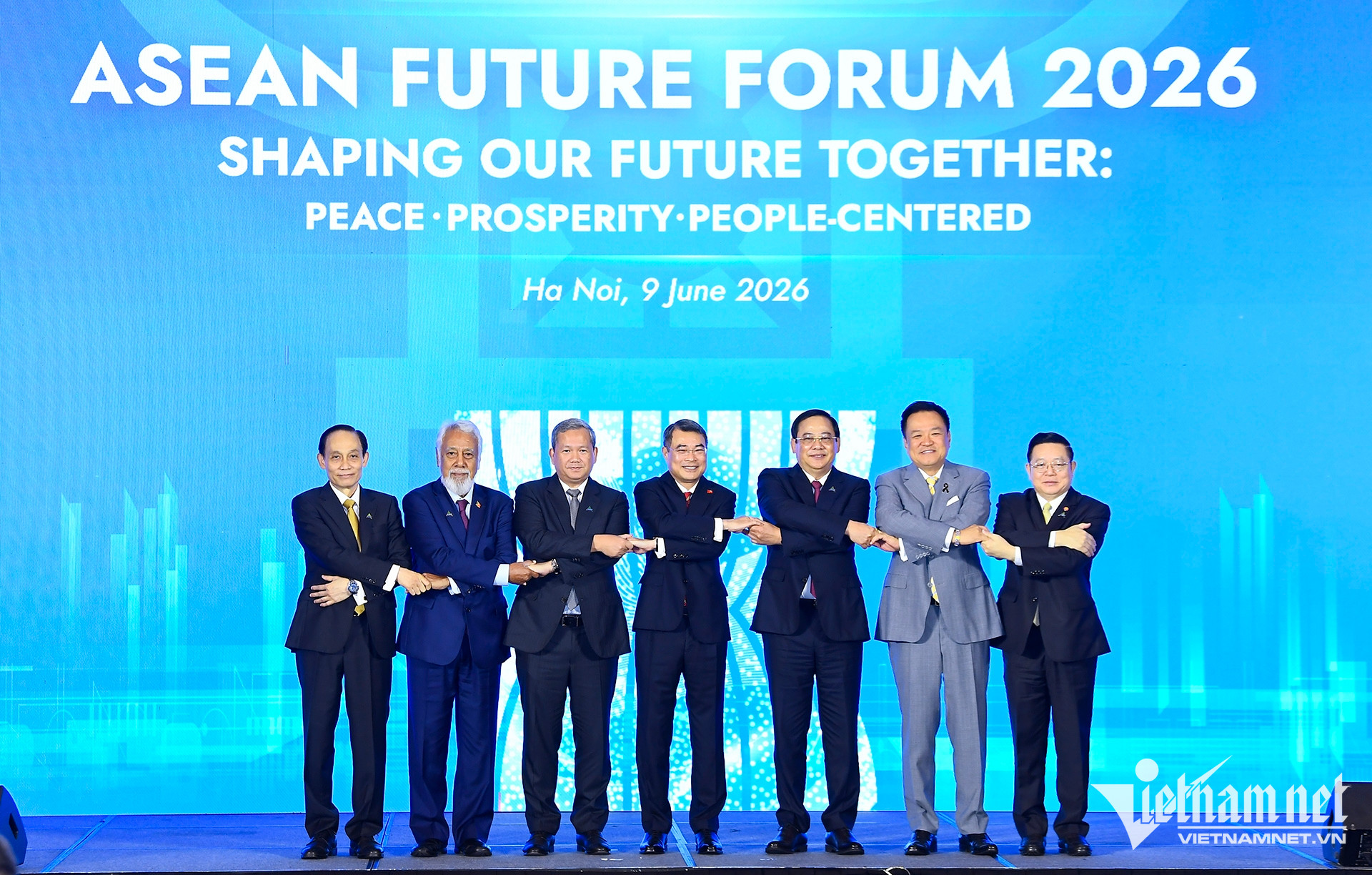
During the opening session on June 9th, heads of state, government leaders, and ministers from many countries delivered live speeches and sent recorded messages to the forum.
Vietnam has become a prominent and influential voice.
Speaking on the sidelines of the forum, EU Ambassador to Vietnam Julien Guerrier was particularly impressed to see Hanoi become a gathering place for high-level regional leaders, including the Prime Ministers of Vietnam, Laos, Cambodia, Thailand, and Timor Leste, to discuss peace and inclusive growth. This is a commendable achievement and an opportunity to ensure that ASEAN truly serves its people and contributes to shared prosperity.
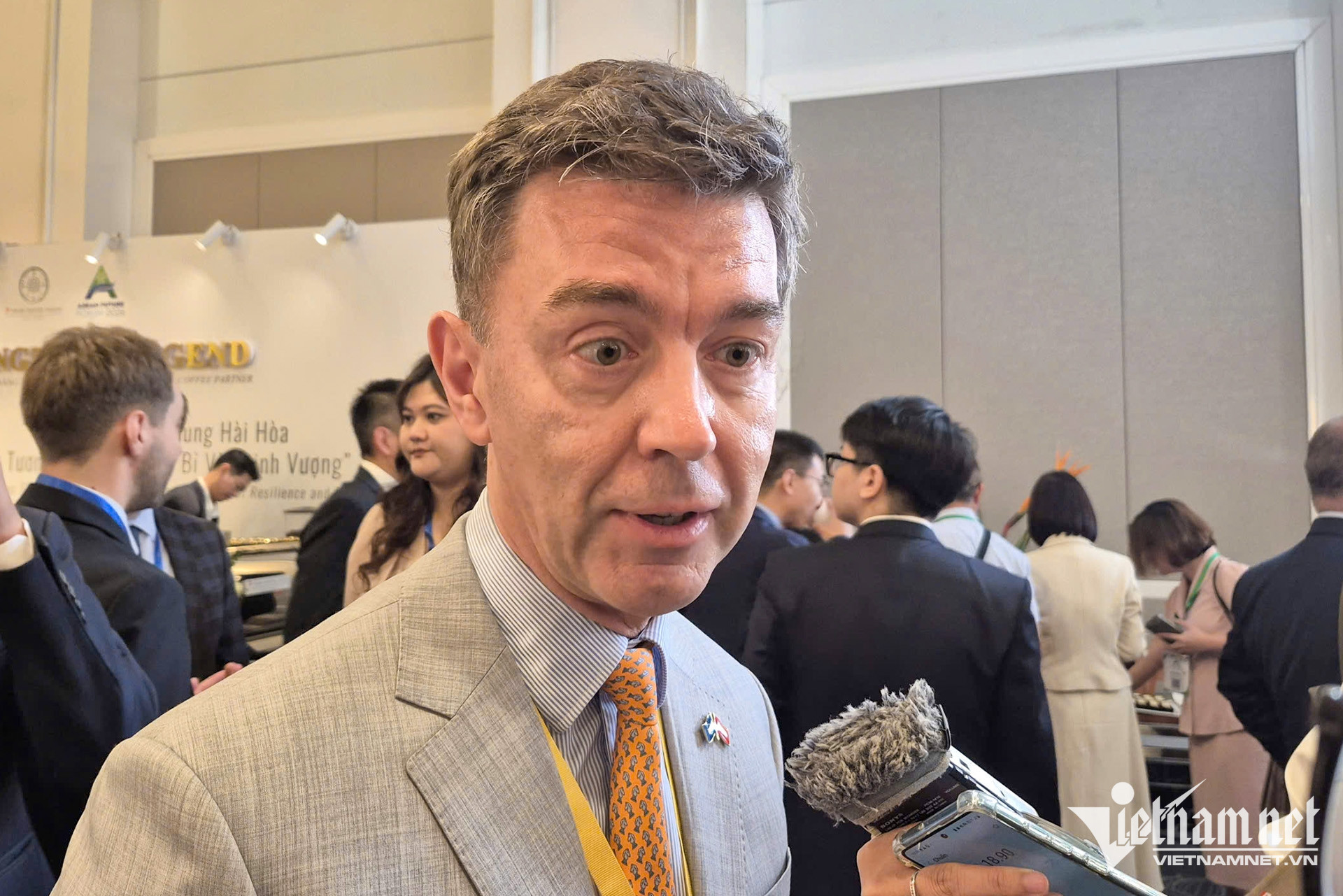
Recalling the keynote address by General Secretary and President To Lam at the Shangri-la Dialogue in late May, Ambassador Julien Guerrier stated that Vietnam has become one of the prominent and influential voices in dialogue mechanisms on regional peace and stability.
According to the Ambassador, this vision of Vietnam is entirely consistent with the orientations of ASEAN and the EU. In a volatile world, the EU wants to work with Vietnam and ASEAN to build new norms for the future, prevent conflicts, and protect security based on the rule of law.
The EU also shares ASEAN's goals of transforming the region into a global innovation hub.
The EU ambassador said that an initiative had been put forward to organize a separate dialogue between the EU and ASEAN on the sidelines of the forum. Both sides have much experience to share, from promoting rules-based regional cooperation to sustainable development.
Canadian Ambassador to Vietnam James Nickel said this was his third year participating in the forum. Impressed by Prime Minister Le Minh Hung's opening remarks, Ambassador Nickel noted that Vietnam's message reaffirmed its stance on respecting international law and multilateral institutions.
In a volatile world, like-minded middle-sized nations like Canada, Vietnam, and ASEAN countries need to cooperate closely to address common challenges for the benefit of all their citizens.
Vietnam is not only a bilateral partner but also a crucial link in the Indo-Pacific strategy.
The ambassador affirmed that Vietnam is a key partner helping Canada strengthen and expand its relations with ASEAN. This year, in its role as Chair of the CPTPP Council, Vietnam is undertaking the important task of bridging the gap between the CPTPP and other economic blocs such as the EU.
Regarding ASEAN, the Ambassador informed that Canada and ASEAN are in the process of negotiating a free trade agreement. This is an important development, and he fully expects that the negotiations can be completed this year.
ASEAN is Canada's fourth-largest trading partner, with bilateral trade reaching approximately US$42 billion. As a leading food and energy nation, Canada is committed to contributing to ASEAN's energy and food security.
Self-reliance does not mean isolation, and certainly not about fending for oneself alone.
French Ambassador to Vietnam Olivier Brochet also paid special attention to Prime Minister Le Minh Hung's speech. He noted that it was a very engaging and important speech, continuing the messages that General Secretary and President To Lam had delivered at the Shangri-la Dialogue.
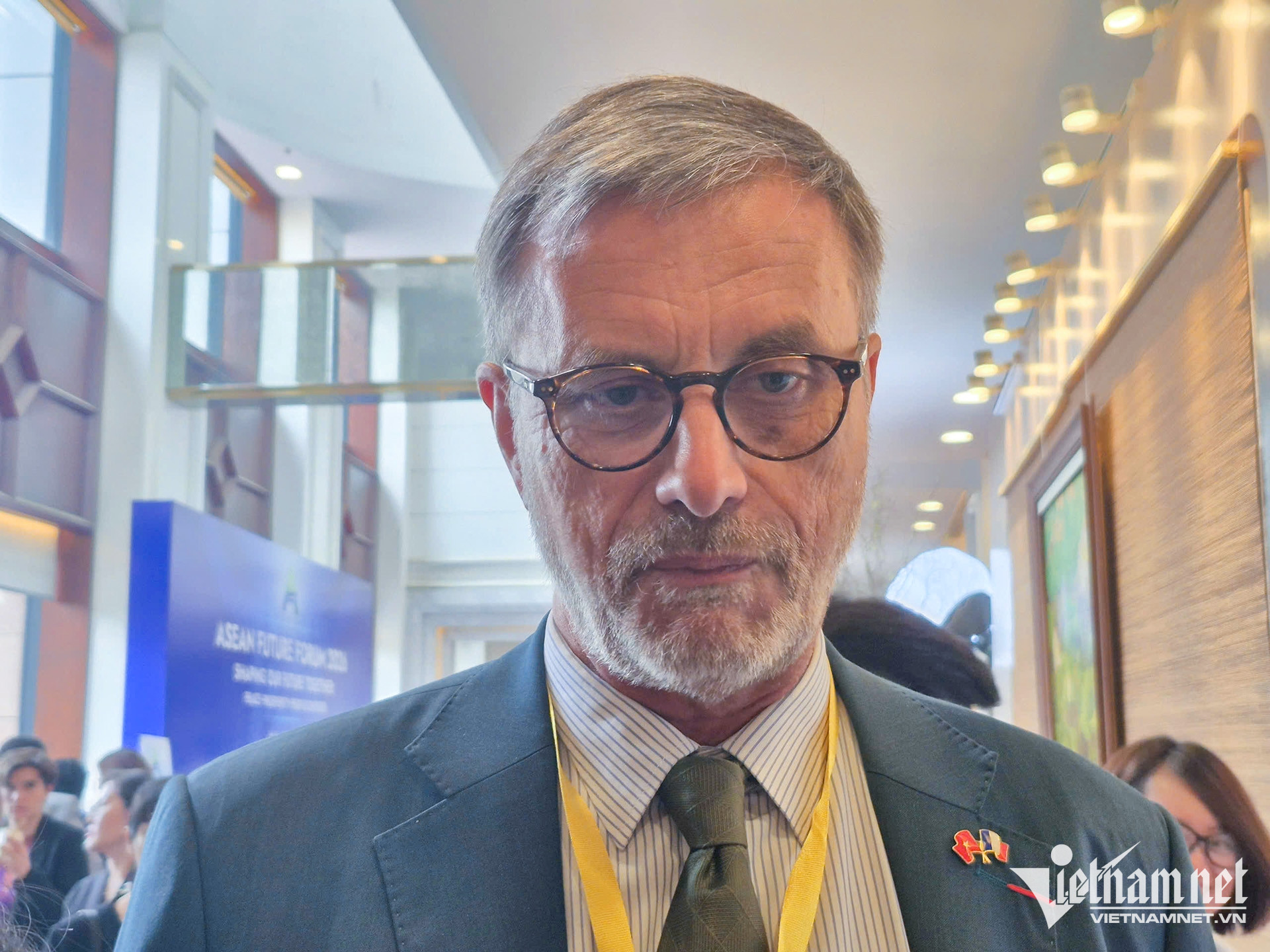
"It is very significant to witness Vietnam's strong commitment to supporting all efforts to develop ASEAN, build peaceful relations, and maintain stability in the region," the Ambassador emphasized.
Ambassador Olivier Brochet assessed that the atmosphere of this year's forum reflected greater optimism, instilling confidence amidst the international crisis. The Ambassador particularly appreciated Vietnam's increasingly prominent role in ASEAN. Vietnam's proactive efforts in promoting dialogue initiatives and demonstrating leadership on regional issues are positive signals not only for ASEAN but also for the international community.
France wishes to continue maintaining close cooperative relations with Vietnam, as well as with other ASEAN countries, in order to support efforts towards stability, dialogue, and development in the region.
Speaking to the press after the opening session, Deputy Minister of Foreign Affairs Nguyen Manh Cuong shared that General Secretary and President To Lam had made a very insightful observation at the Shangri-la Dialogue that this is a period where "connectivity is broader but more vulnerable; technology is more advanced but the risk of abuse is greater; interdependence is deeper but also more easily turned into tools of coercion."
In this context, self-reliance has become a very urgent requirement for countries in the region. However, the Deputy Minister emphasized that self-reliance does not mean isolation, much less being completely alone. For small and medium-sized countries, and for ASEAN as a whole, true self-reliance can only be sustainably strengthened through cooperation.
The Deputy Minister stated that a country that isolates itself does not become safer; on the contrary, it becomes more vulnerable to being overlooked and pressured. When countries cooperate, share resources, connect infrastructure, and coordinate policies, each country becomes stronger, and the entire community becomes stronger as well.
"A resilient ASEAN is one that knows how to turn connectivity into its own strength," the Deputy Minister analyzed.
The Deputy Minister expressed his appreciation that this forum considers self-reliance not only a matter for governments but also a joint effort of businesses, localities, young people, and this year, political parties as well.
Therefore, this year's forum has opened up more spaces for dialogue. Voices are being heard from more diverse perspectives.
Source: https://vietnamnet.vn/khi-ha-noi-tro-thanh-noi-quy-tu-cua-nhieu-nha-lanh-dao-cap-cao-khu-vuc-2524438.html