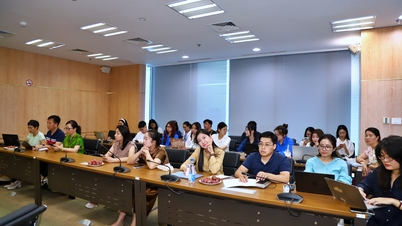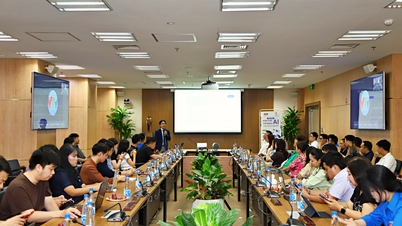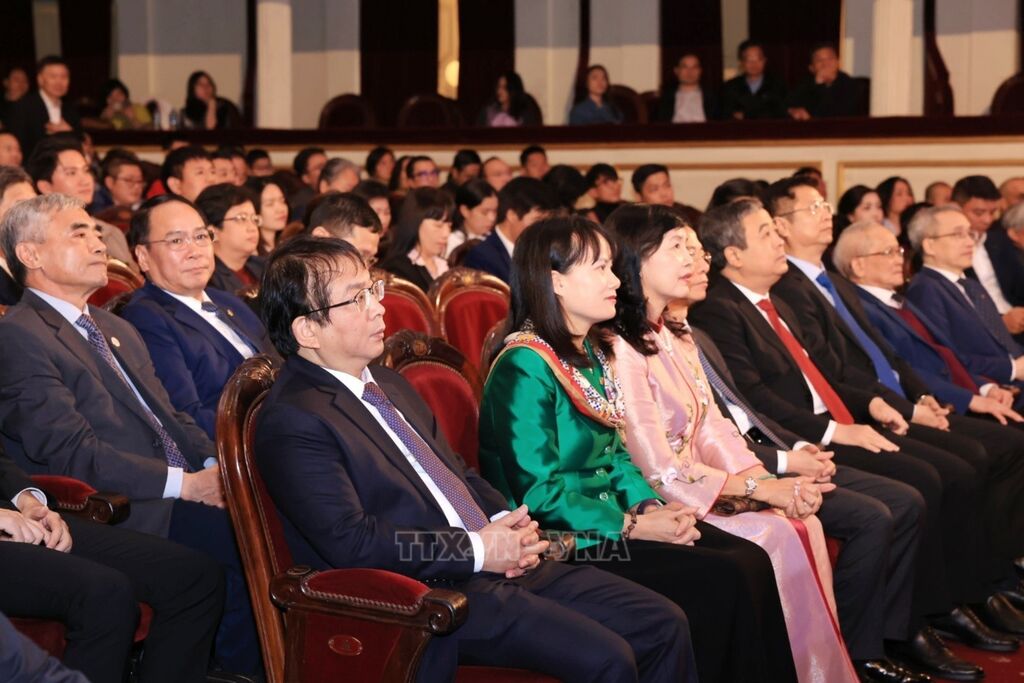

Sharing more about the current difficulties faced by supporting industry businesses, Ms. Truong Thi Chi Binh, General Secretary of the Vietnam Association of Supporting Industries (VASI), said that in addition to price competition, businesses in the industry are facing challenges from new market demands, especially the demand for recycling. Recycled plastics and steel in Vietnam are extremely uncompetitive compared to China because plastics from household and industrial sources cannot be recovered to supply inputs for plastic recycling businesses.
Despite facing many difficulties, according to Ms. Binh, businesses in the supporting industries have the potential to produce a diverse range of goods for export, such as motorcycle and bicycle components; products related to electrical cabinets and automation systems; plastics; rubber; plastic and rubber toys; fans, wind turbines, etc.
"Therefore, businesses currently urgently need deals that provide information and experience in developed markets, developing countries, or countries with similar levels of development to Vietnam, connecting them to expand markets and create favorable conditions for export industries," the General Secretary of VASI suggested.
For the textile and garment industry, in the first half of this year, total export turnover is estimated at 20 billion USD, a 5% increase compared to the same period last year. Textile and garment products are exported to 113 countries, with the main markets being the US, EU, South Korea, and Japan. Regarding the industry's export prospects in the coming period, Mr. Truong Van Cam, Vice Chairman of the Vietnam Textile and Garment Association (VITAS), said that the industry is pursuing the goal of diversifying markets and products, increasing competitiveness, and leveraging FTAs to boost exports. To increase textile and garment exports in the future, Mr. Cam suggested that Vietnamese trade offices abroad provide more support in terms of market information and host country policies to guide businesses.



VITAS recommends that the Ministry of Industry and Trade promote bilateral or ASEAN-Canada negotiations to limit production stages. In addition, VITAS recommends that the Ministry of Industry and Trade, as well as local authorities, promote the implementation of Decision 1643 approving the strategy for the development of textiles, garments, and footwear until 2030, with a vision to 2035, to form large textile and garment industrial complexes and zones capable of producing raw materials and components to meet the industry's export needs.
Source: https://congthuong.vn/da-dang-hoa-thi-truong-rong-cua-cho-san-pham-cong-nghiep-che-bien-che-tao-xuat-khau-336671.html