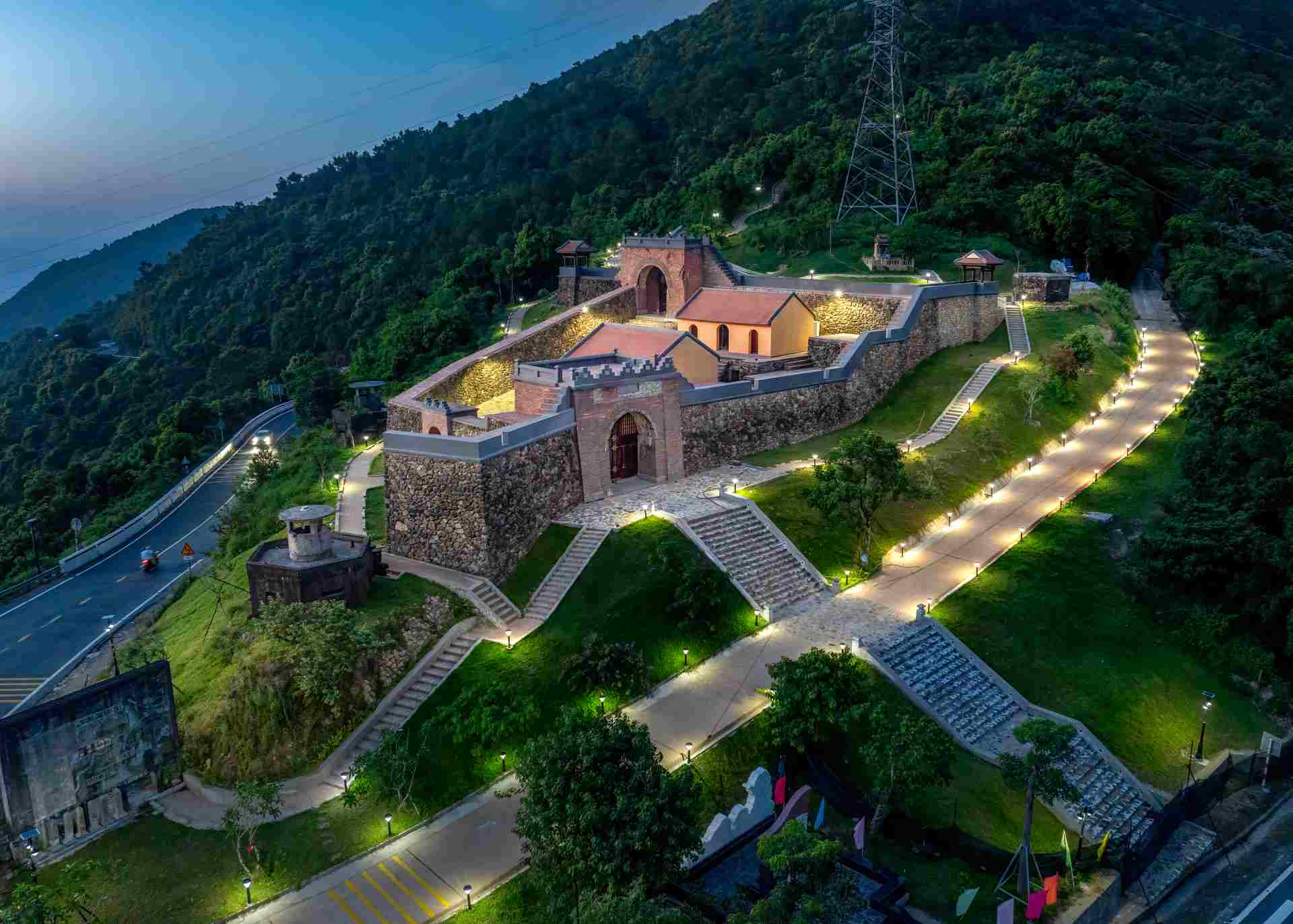
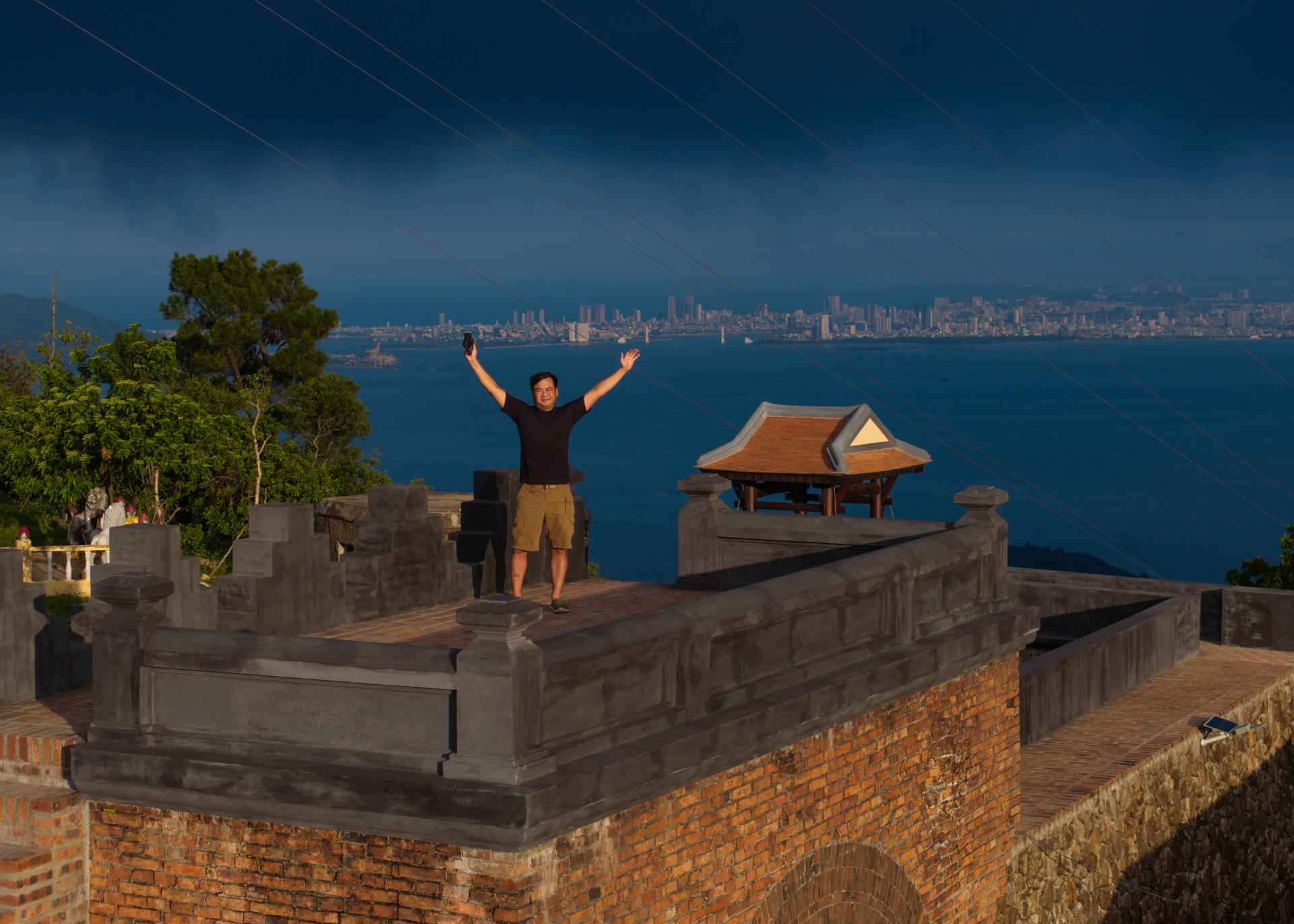
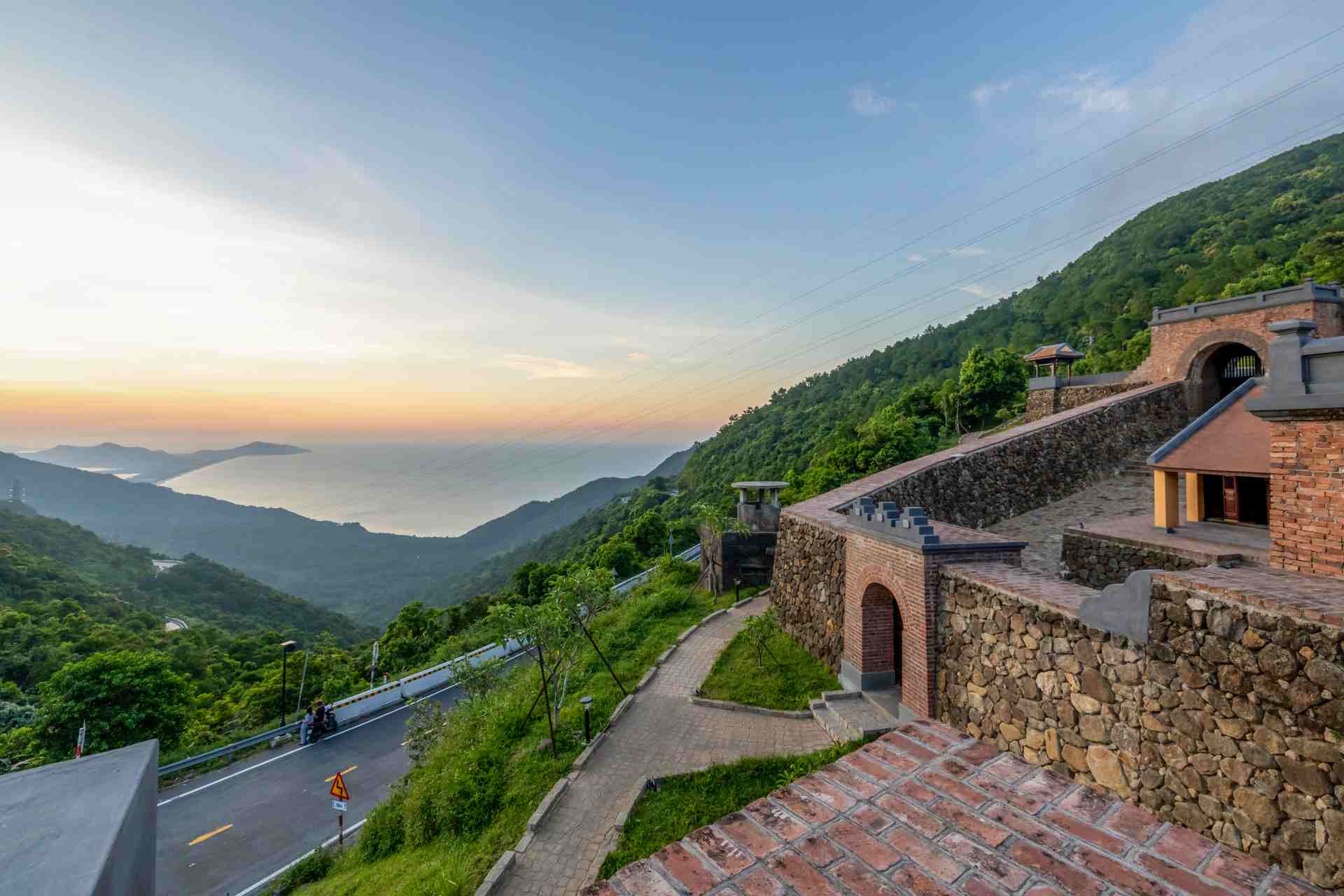
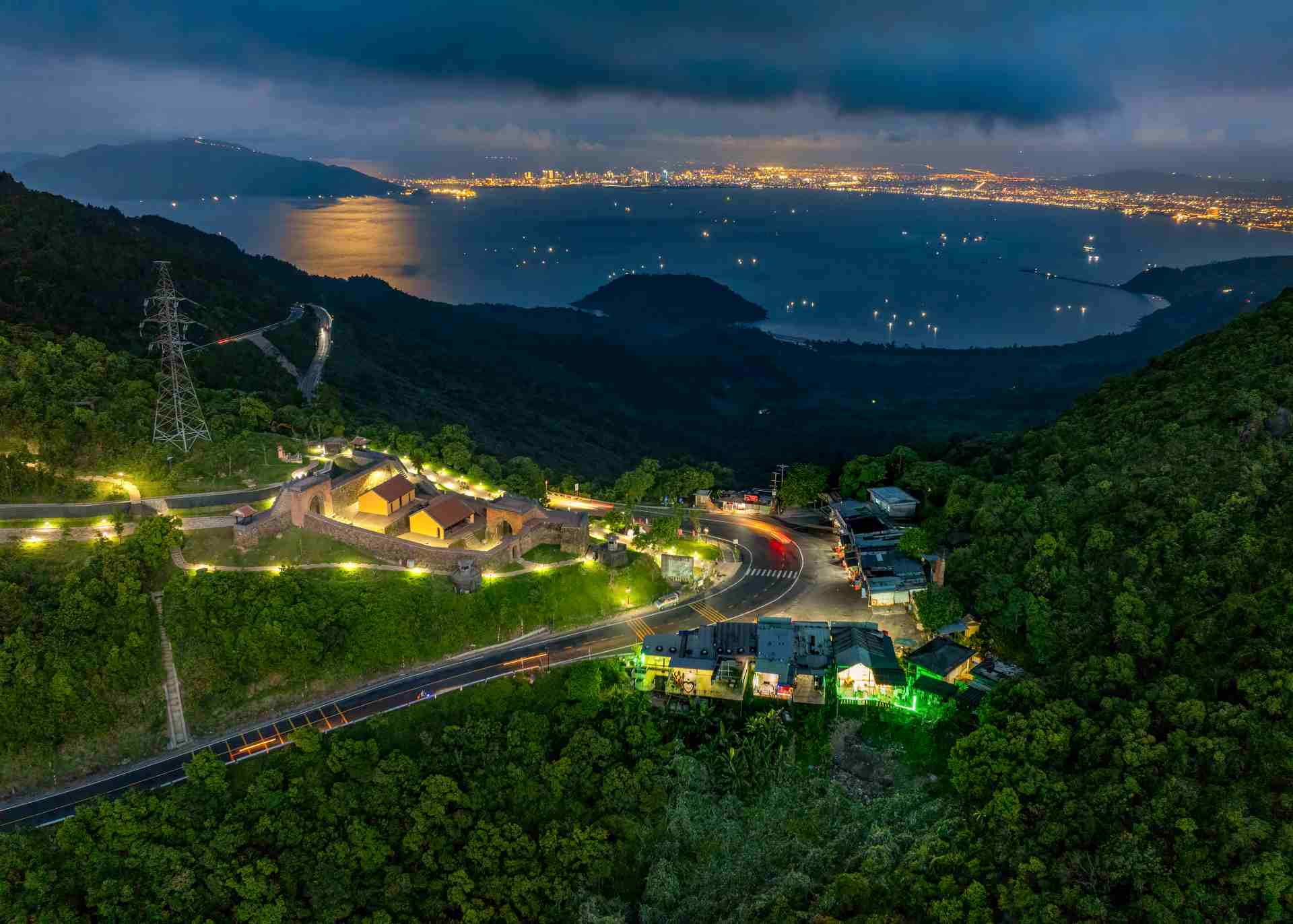
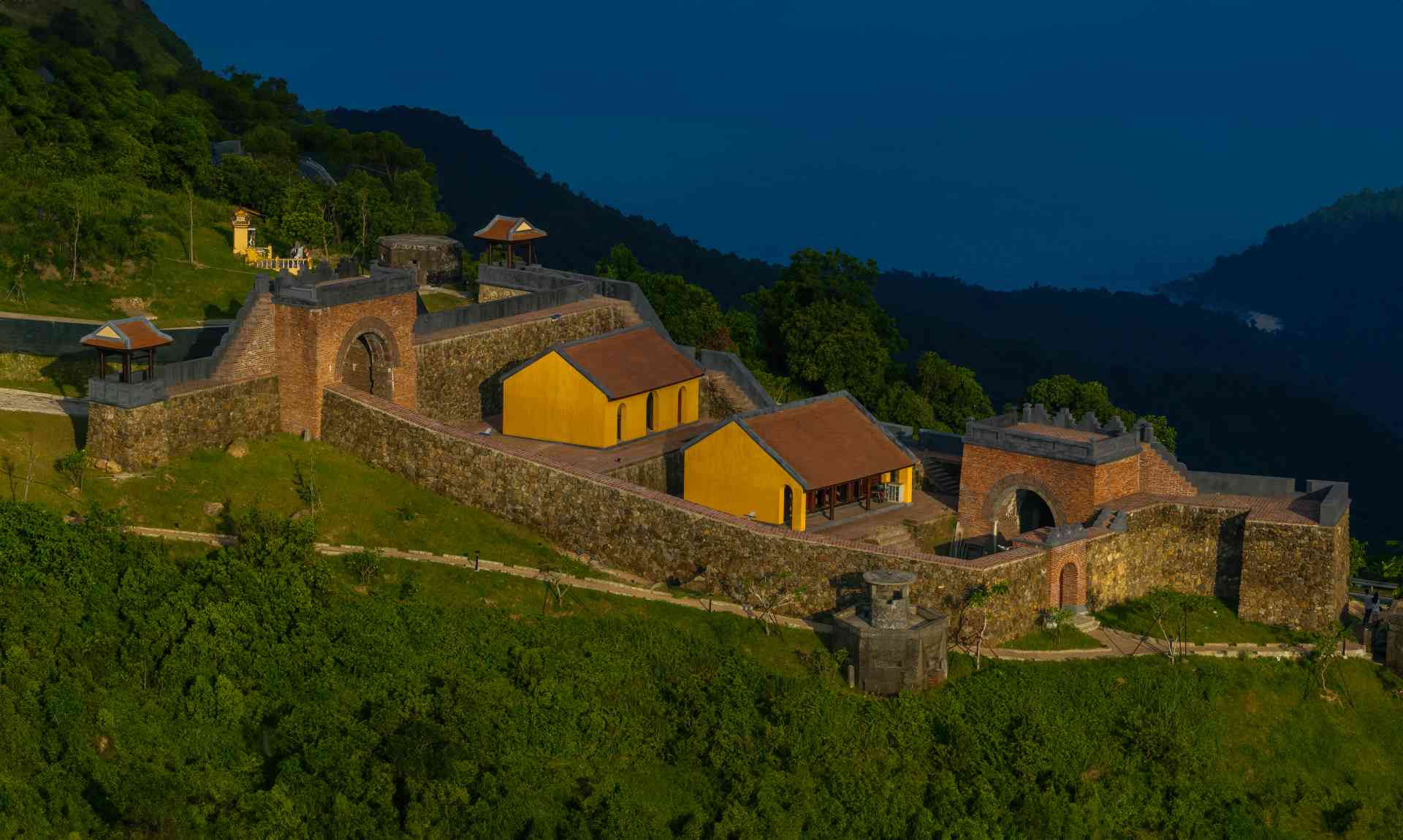
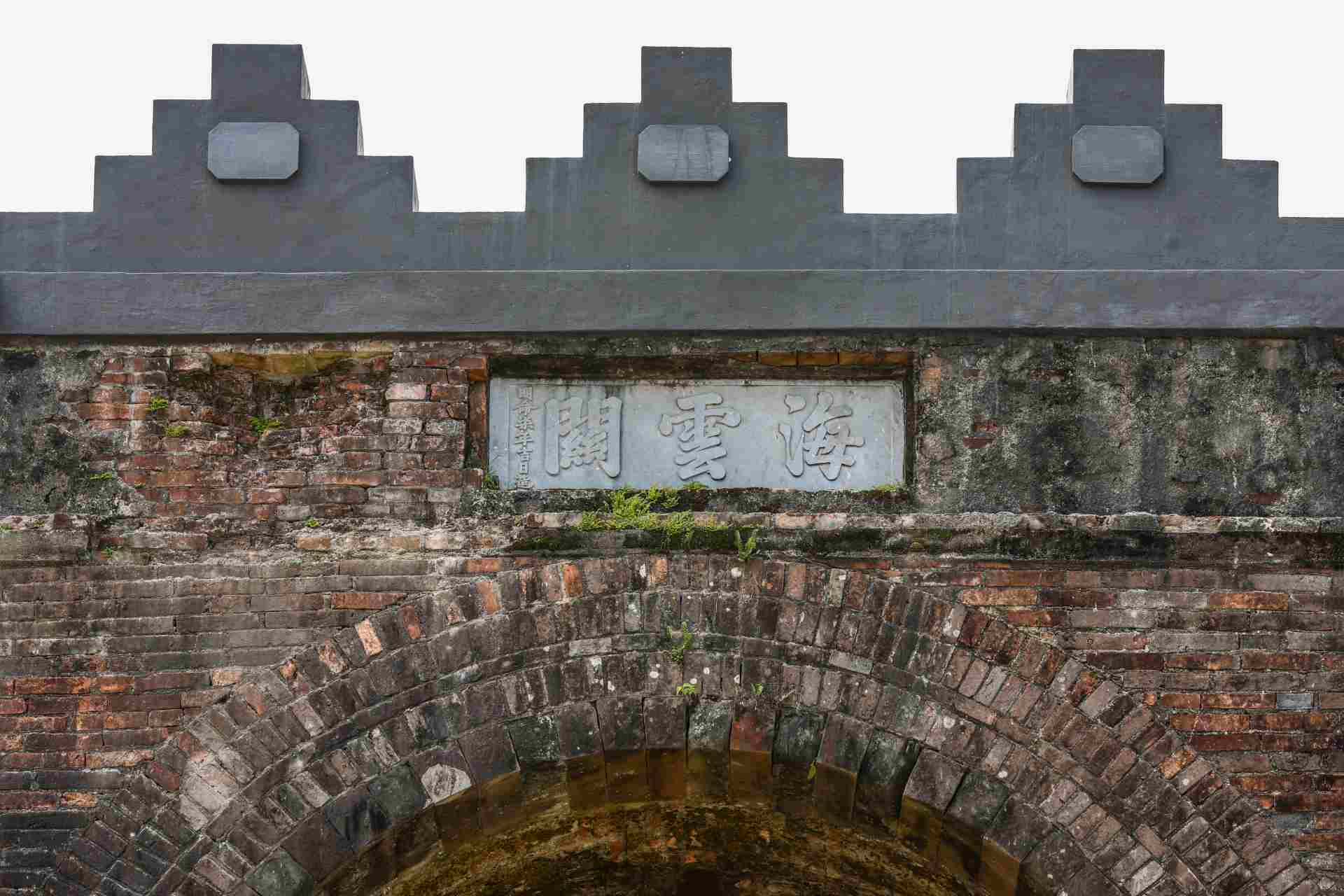
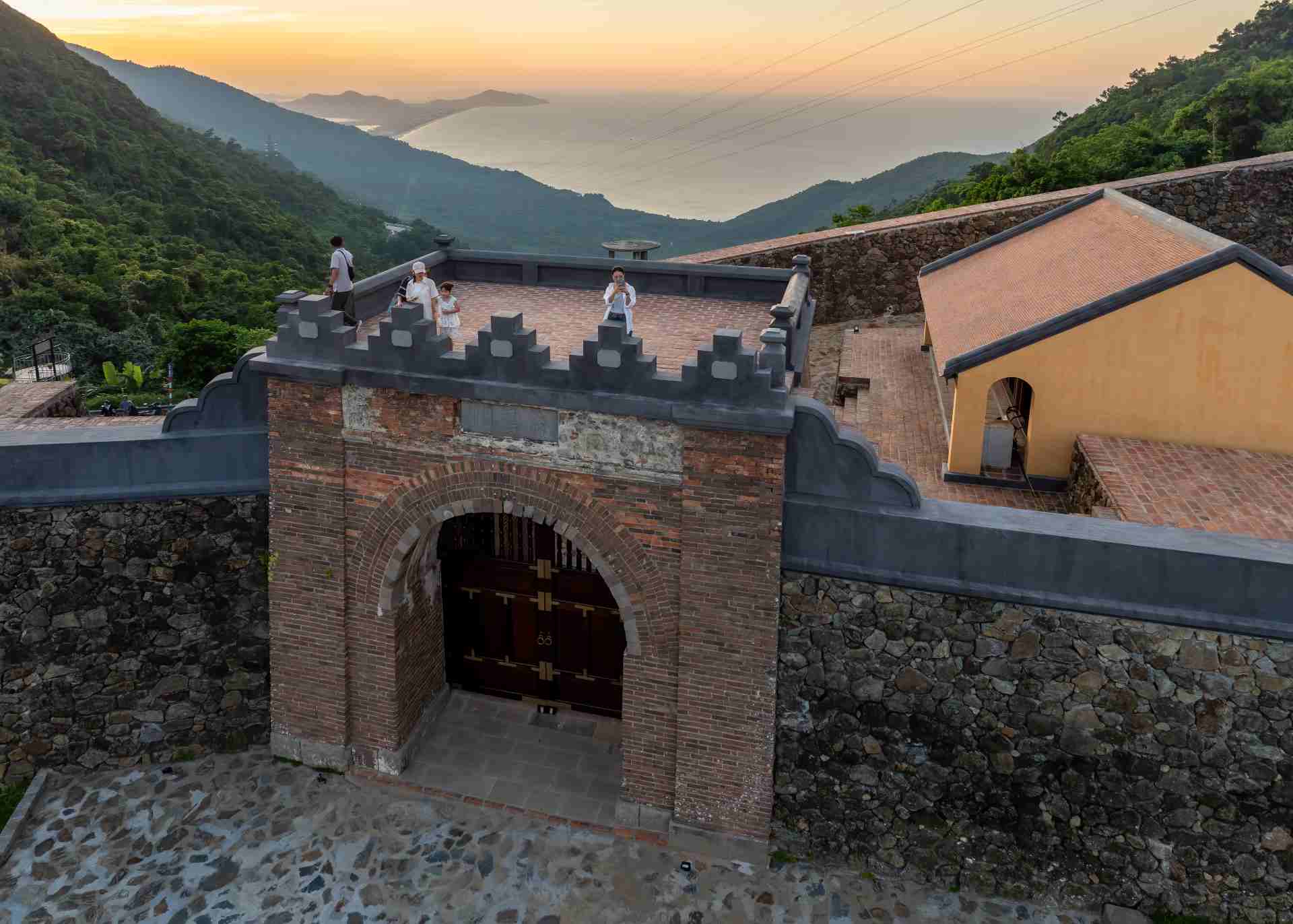
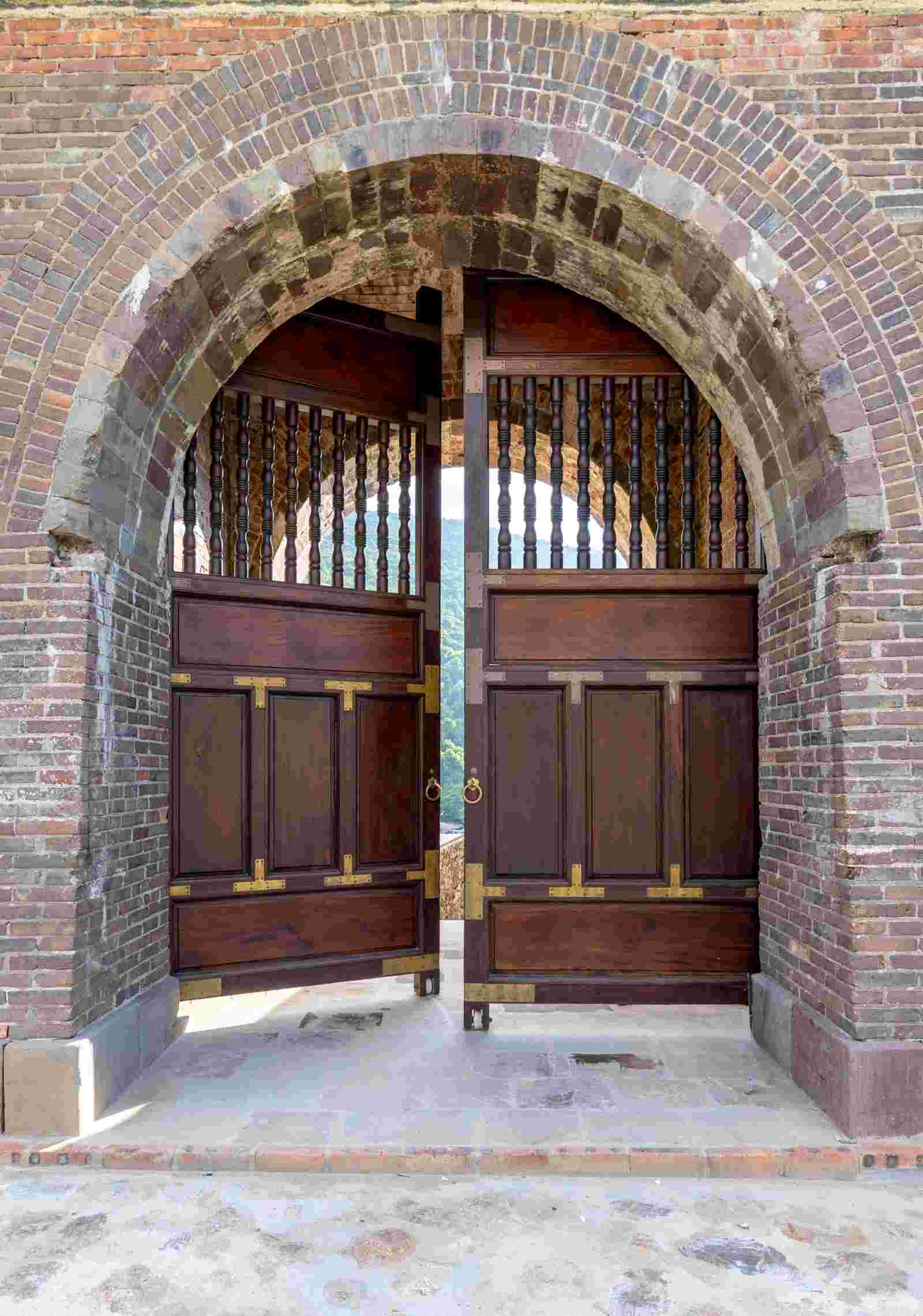
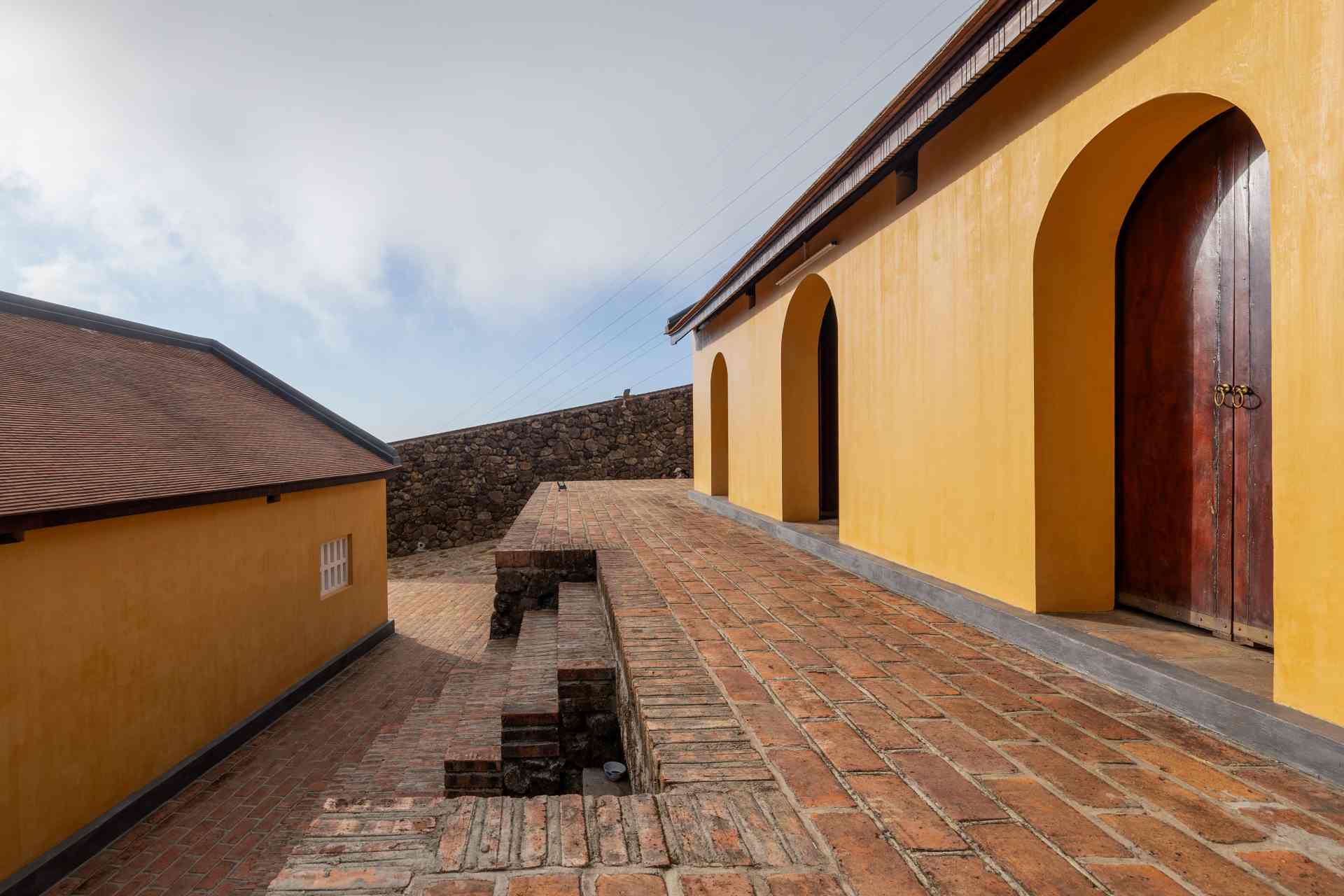
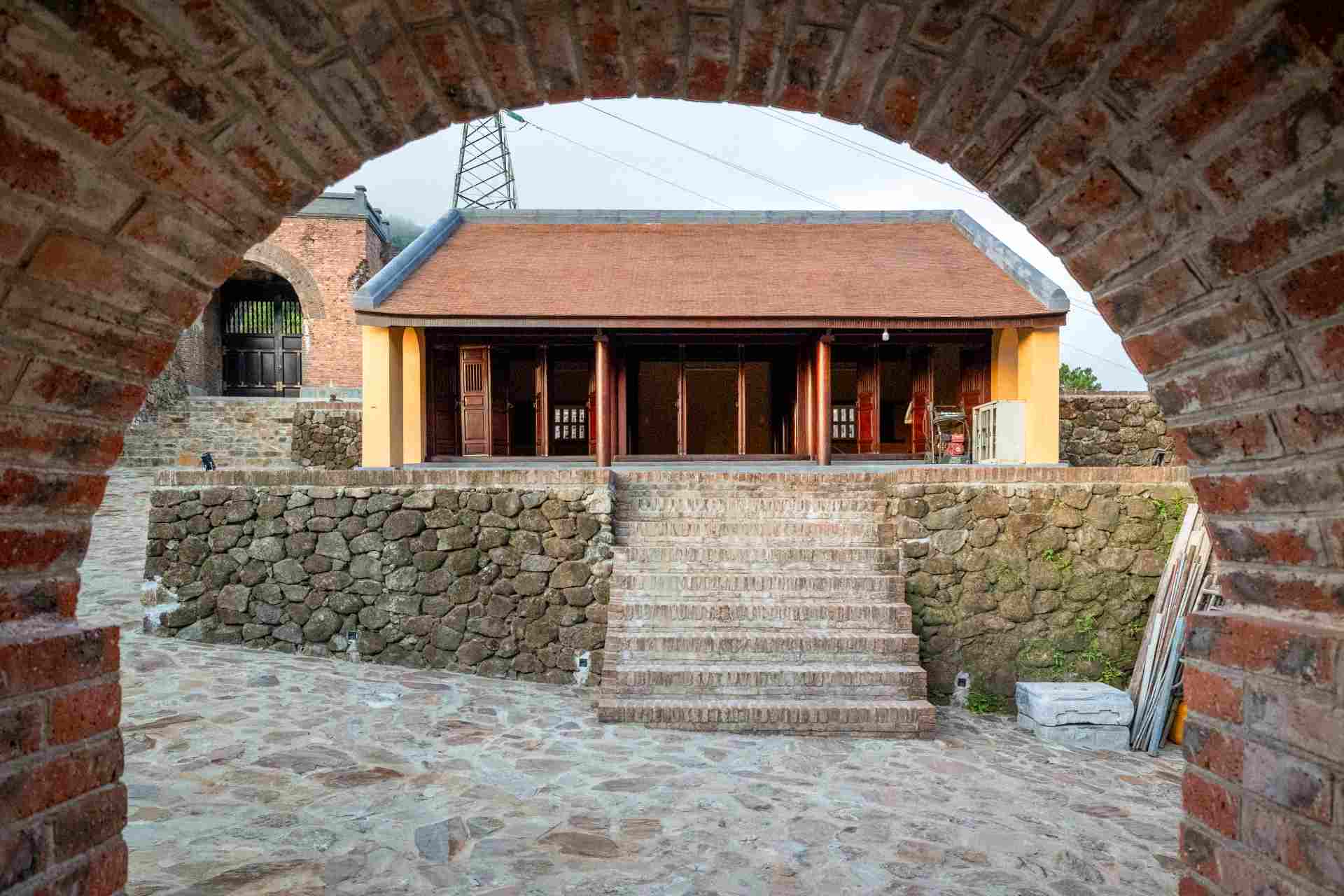
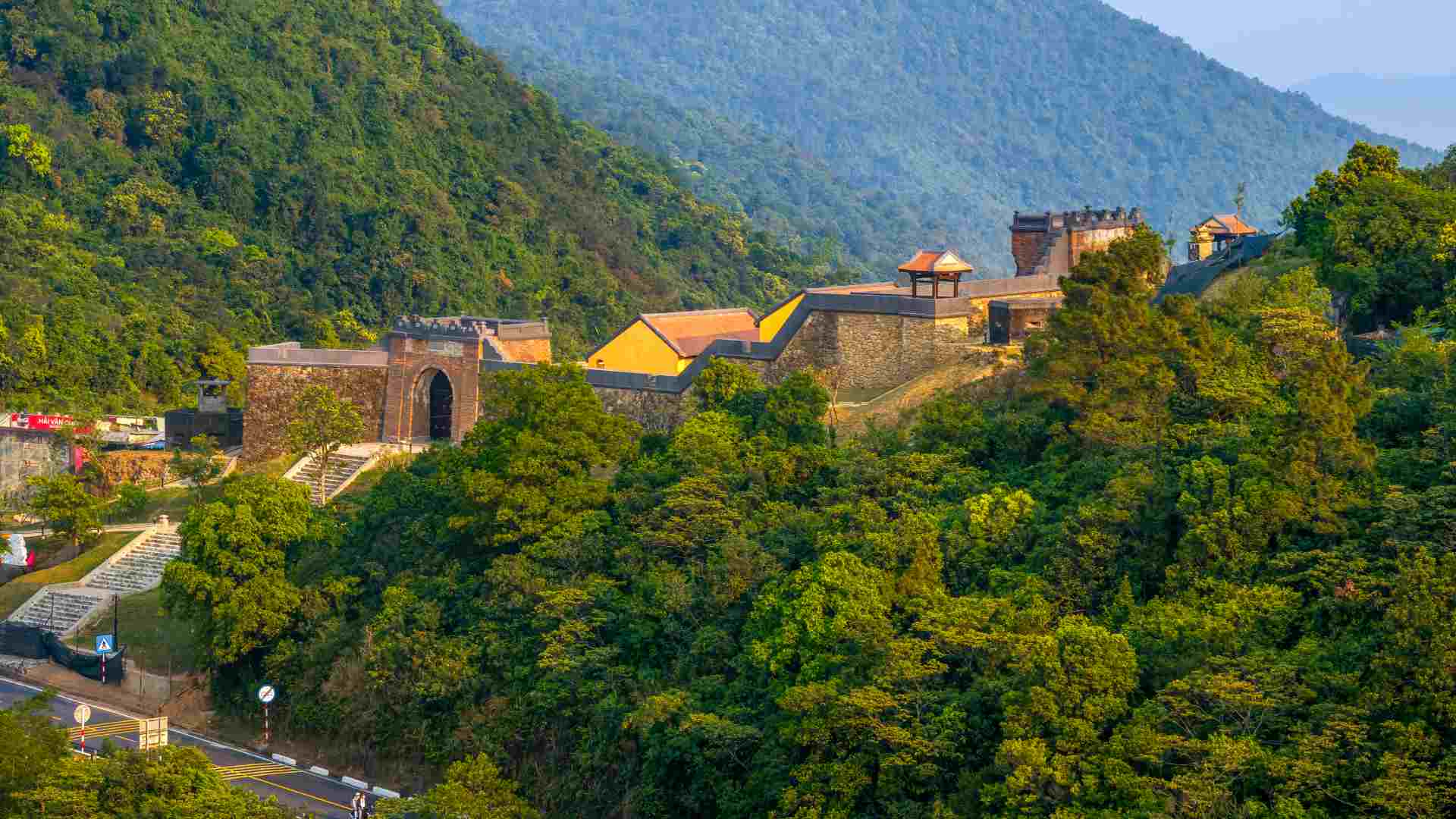
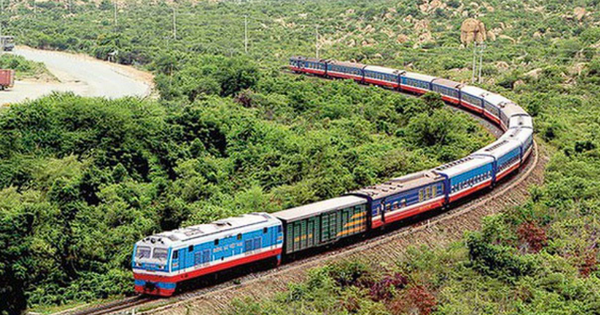
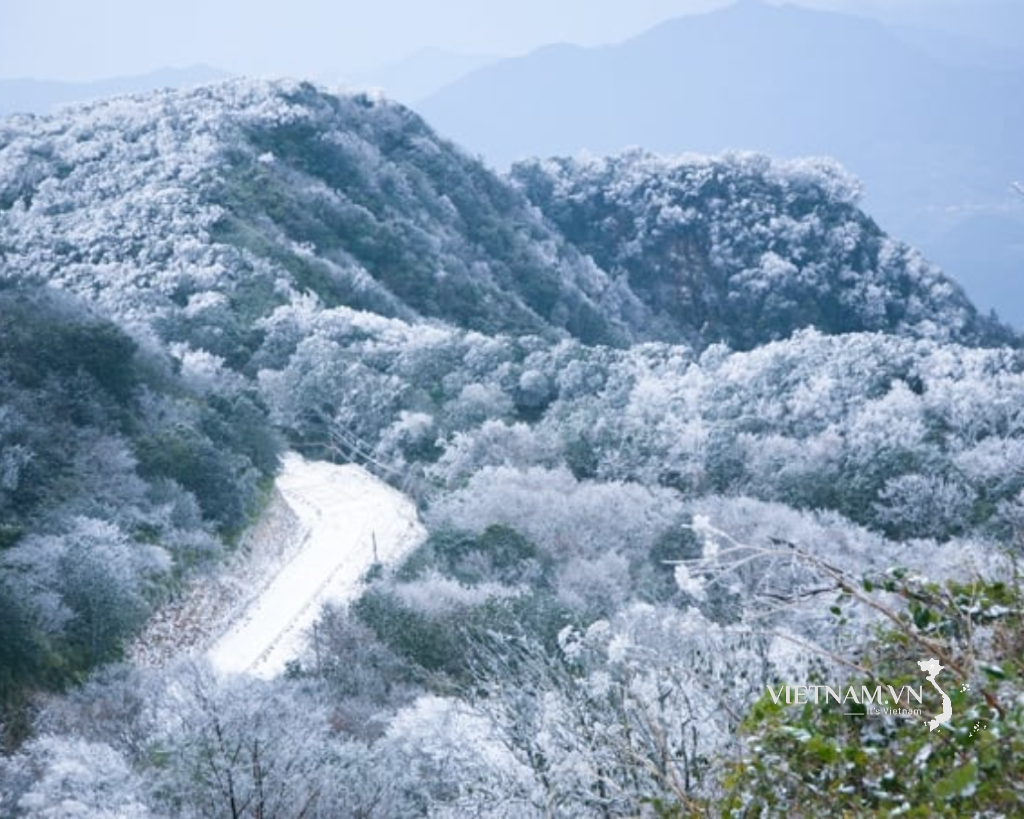
A close-up view of the Hai Van Pass historical site before its opening to visitors.
Báo Lao Động•20/11/2024
HUE - The Hai Van Pass historical site has officially reopened to visitors free of charge after three years of restoration costing 42 billion VND.
On July 31st, in an interview with a reporter from Lao Dong Newspaper, the leader of the Hue Ancient Citadel Relics Conservation Center stated that the Hai Van Pass relic site will officially reopen to visitors starting August 1st. For the time being, the Hai Van Pass historical site will be open to visitors free of charge until a suitable ticketing system is established for the site.
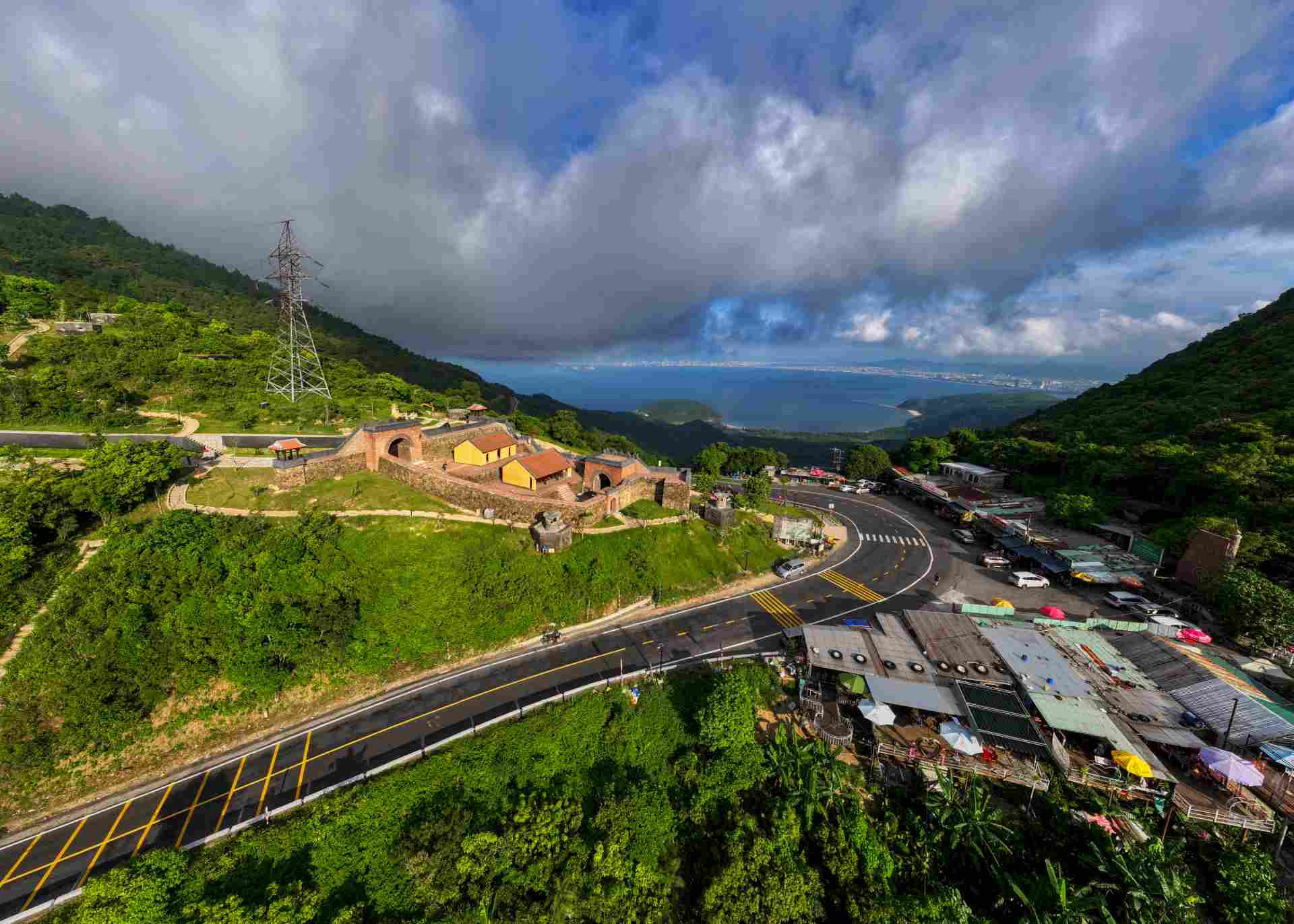
The Hai Van Pass relic was built during the Tran Dynasty and restored during the reign of King Minh Mang (1826) as a defensive pass. The structure is located at an altitude of nearly 500 meters above sea level in the border area between Lang Co town, Phu Loc district, Thua Thien Hue province and Hoa Hiep Bac ward, Lien Chieu district, Da Nang city. This site holds significant historical and architectural value, serving not only as a crucial defensive position at the southern gateway to the Hue Citadel but also as a renowned scenic spot in Vietnam, having been classified as a National Monument in 2017.
In December 2021, the Hai Van Pass Conservation, Restoration, and Promotion Project was launched to preserve and promote the value of this national-level historical and cultural relic, contributing to the socio-economic development of Thua Thien Hue province and Da Nang city. The project, invested by the Hue Imperial Citadel Relics Conservation Center, has a total investment of over 42 billion VND from the budget (50% from Da Nang City and 50% from Thua Thien Hue Province). Although the restoration of Hai Van Pass has been completed and it is ready to open to visitors, the site is currently facing many difficulties in operating and serving tourism. Specifically, this historical site currently lacks tourism infrastructure such as parking lots, ticket booths, workspaces for tour guides and security guards, and souvenir shops. Furthermore, due to its location at an altitude of nearly 500 meters above sea level, the technical infrastructure has not been developed comprehensively, and the area primarily relies on spring water and rainwater for daily life, which also impacts the management, exploitation, and promotion of the site's value. The restoration is essentially complete.
Iran has again blockaded the Strait of Hormuz.On June 19, Iran reimposed a blockade on the Strait of Hormuz, citing Israel's refusal to withdraw its forces from southern Lebanon and the continued presence of US troops in the region.