
A 43-year-old patient from Quang Nam province has been given a new lease on life thanks to a heart donated by a donor from Hanoi.
On July 30th, Hue Central Hospital announced that patient PTT, 43 years old ( from Quang Nam province ), who recently underwent a heart transplant, is gradually recovering. This is the 12th heart transplant case using organs donated by an elderly person in Hanoi.
Previously, on July 17th, immediately after receiving information about organ donation from the National Organ Transplant Coordination Center regarding a brain-dead donor at Viet Duc Hospital (Hanoi), Professor Pham Nhu Hiep, Director of Hue Central Hospital, immediately activated the organ receiving and coordination team and promptly dispatched three doctors to cooperate with Viet Duc Hospital and the National Organ Transplant Coordination Center to receive the organs.
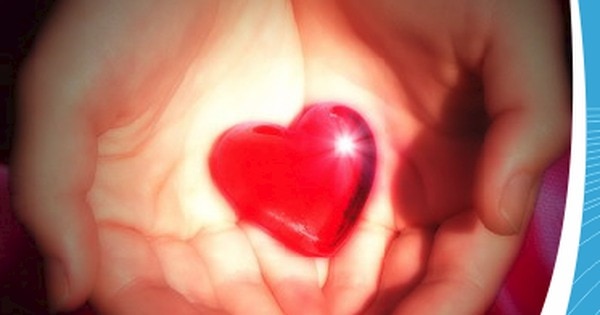 |
| Illustrative image. |
According to organ donation information, the donor is a 65-year-old female patient. This is a case of an elderly and low-weight donor, making the selection of a heart recipient difficult due to the high risks involved in transplantation. Priority is given only to emergency cases or patients with severe end-stage heart failure who agree to receive a heart from an elderly donor.
In the heart transplant waiting list on the National Organ Transplant Coordination Center system of Hue Central Hospital, patient PTT, 43 years old, is the most suitable match. The patient has very severe heart failure, responds poorly to medical treatment, has very low cardiac function (LVEF) of 14%, and has a very high mortality prognosis.
After explaining the risks and the availability of donated hearts from elderly individuals to the patient and their family, the patient and their family agreed to receive the heart.
However, patient T. had undergone aortic valve replacement surgery 9 years ago, so during the heart transplant procedure, adhesions in the entire heart and major blood vessels needed to be removed, posing a high risk of bleeding.
Receiving heart organs from older donors (>55 years old) requires the shortest possible cold ischemia time.
Professor Pham Nhu Hiep, Director of Hue Central Hospital, said, "We calculated that the time to retrieve the heart and transport it to Hue had to be as short as possible."
Simultaneously, the preparation time for the heart recipient must be optimized because the entire anatomical adhesions of the heart must be removed in patients with very severe heart failure, requiring the support of an extracorporeal circulation system to stabilize hemodynamics and optimize blood flow to other organs; this will prolong the extracorporeal circulation time during heart transplantation, increasing the risk of post-transplant bleeding.
This is indeed a difficult issue that requires careful consideration in choosing the appropriate method and technique for transplantation, ensuring the success of this heart transplant.
However, with a sense of responsibility and unwavering dedication to patients, even when "racing against time" and having to perform difficult techniques, the medical team at Hue Central Hospital remained determined to make every effort to receive that sacred and rare gift to save the lives of critically ill patients.
Four hours and 52 minutes after receiving the heart and transporting it to Hue Central Hospital, the "Hanoi heart" began beating healthily again in the chest of the patient at Hue Central Hospital at 11:01 PM on July 18th.
However, weaning from extracorporeal circulation is very difficult, requiring mechanical circulatory support such as an intra-aortic balloon pump (IABP) and extracorporeal membrane oxygenation (ECMO).
After 6 days of intensive care and resuscitation, the patient's vasopressor medications were gradually reduced, mechanical ventilation was discontinued, ECMO and IABP were weaned off, with stable hemodynamic and biochemical parameters and good cardiac function (EF 60%, TAPSE 20).
To revive the life of patient PTT, Hue Central Hospital expresses its gratitude to the noble heart of the organ donor's family for overcoming pain and loss to bring life and happiness to the patient. The beautiful act of the organ donor and their family has deeply moved those of us directly involved in this professional work.
In reality, although many people understand that donating tissues and organs is an act of saving lives, it is not easy to do so due to numerous barriers, including family and lineage beliefs, and the deeply ingrained spiritual notion that one must "die with a whole body intact."
If you witness young people, still in their school years, in the prime of their youth, struggling daily with organ failure, you will truly understand the preciousness of organ donation after death.
At that moment, a person's passing is no longer meaningless, because from this death, another life is reborn, and their act of "giving is forever" becomes an example and motivation for others to learn from, emulate, and spread throughout society.
The miracle of organ transplants stems not only from the remarkable success of medicine, but also from the heartwarming stories intertwined with them—stories of family love and compassion.


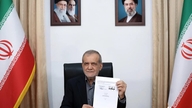
Professor Tran Van Thuan, Deputy Minister of Health, stated that Vietnam's organ transplantation capabilities are in no way inferior to those of the rest of the world. Each year, Vietnam performs approximately 1,000 transplants, enhancing Vietnam's position on the regional organ transplantation map.
However, this field faces many challenges due to the limited supply of donated organs, most of which come from living donors; whereas in developed countries, the number of organ donations from brain-dead donors is much higher.
Professor Thuan noted that this requires a change in mindset, especially in the work of promoting organ donation.
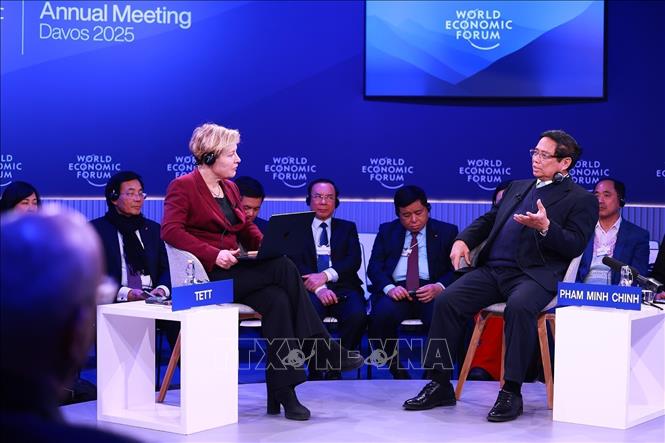
Medical units are gradually building a team of professional counselors, identifying potential sources for this team to approach, persistently persuading those diagnosed with brain death to gradually accept the donation. To date, nearly 10,000 people have registered to donate tissues and organs following Prime Minister Pham Minh Chinh's call at the program "Register to donate tissues and organs to save lives - Giving is forever".
Reportedly, this is the 12th heart transplant and the 11th cross-Vietnam heart transplant performed by Hue Central Hospital. To date, the facility has routinely performed over 2,000 tissue, organ, and stem cell transplants for patients across the country, contributing to the revival of many lives on the brink of death.
Source: https://baodautu.vn/benh-nhan-quang-nam-43-tuoi-hoi-sinh-nho-tim-cua-nguoi-hien-tu-ha-noi-d221192.html