Numerous Chinese warehouses are springing up near the Vietnamese border.
Báo Tuổi Trẻ•19/11/2024
A series of large-scale warehouses have been built by Chinese businesses in areas near the Vietnamese border.
The Chinese warehouse, located near the border with Lao Cai province (Vietnam), is convenient for transporting goods - Photo: BONG MAI
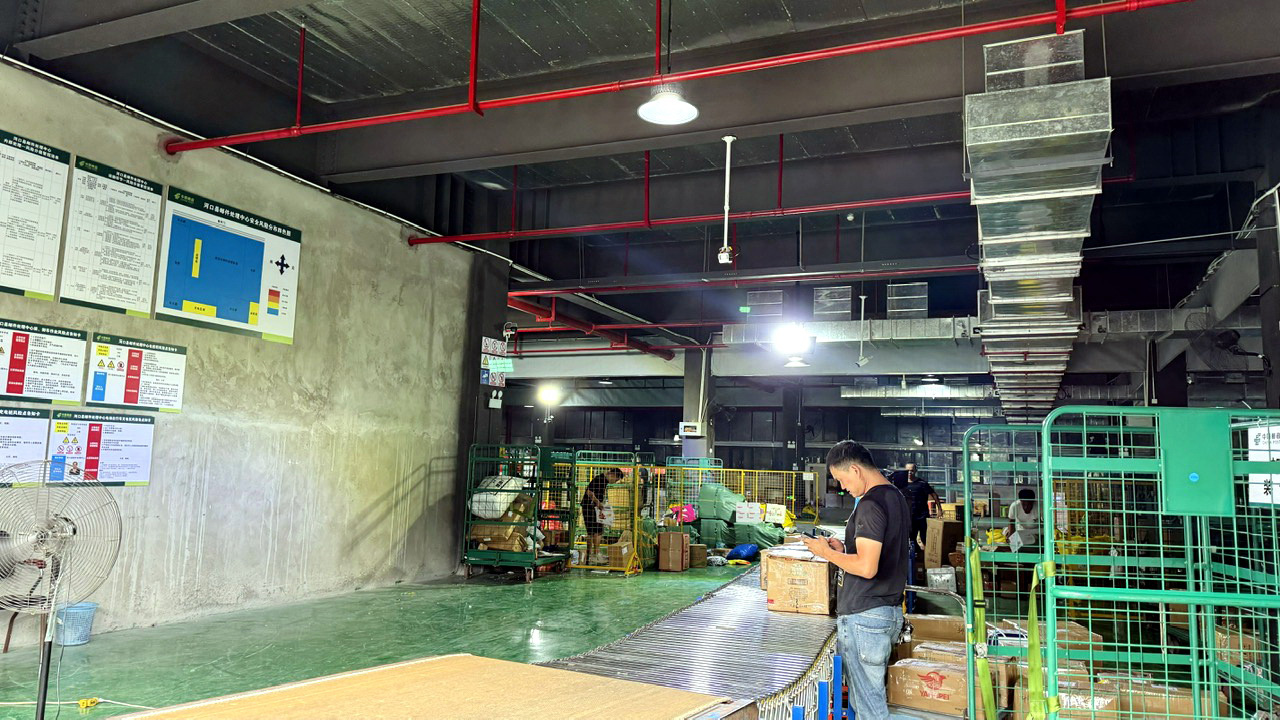
Many businesses are even investing hundreds of billions of VND to build warehouses and sorting centers right in Vietnam to shorten delivery times. Thanks to the well-invested warehouse and sorting center system, many orders from China can reach customers in Hanoi within 1-2 days and Ho Chi Minh City within 3-5 days.
Build a central warehouse and storage facility at the border.
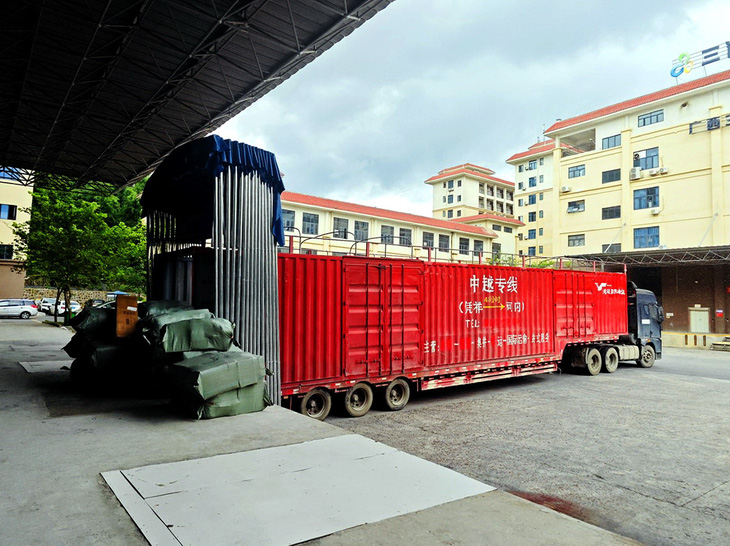
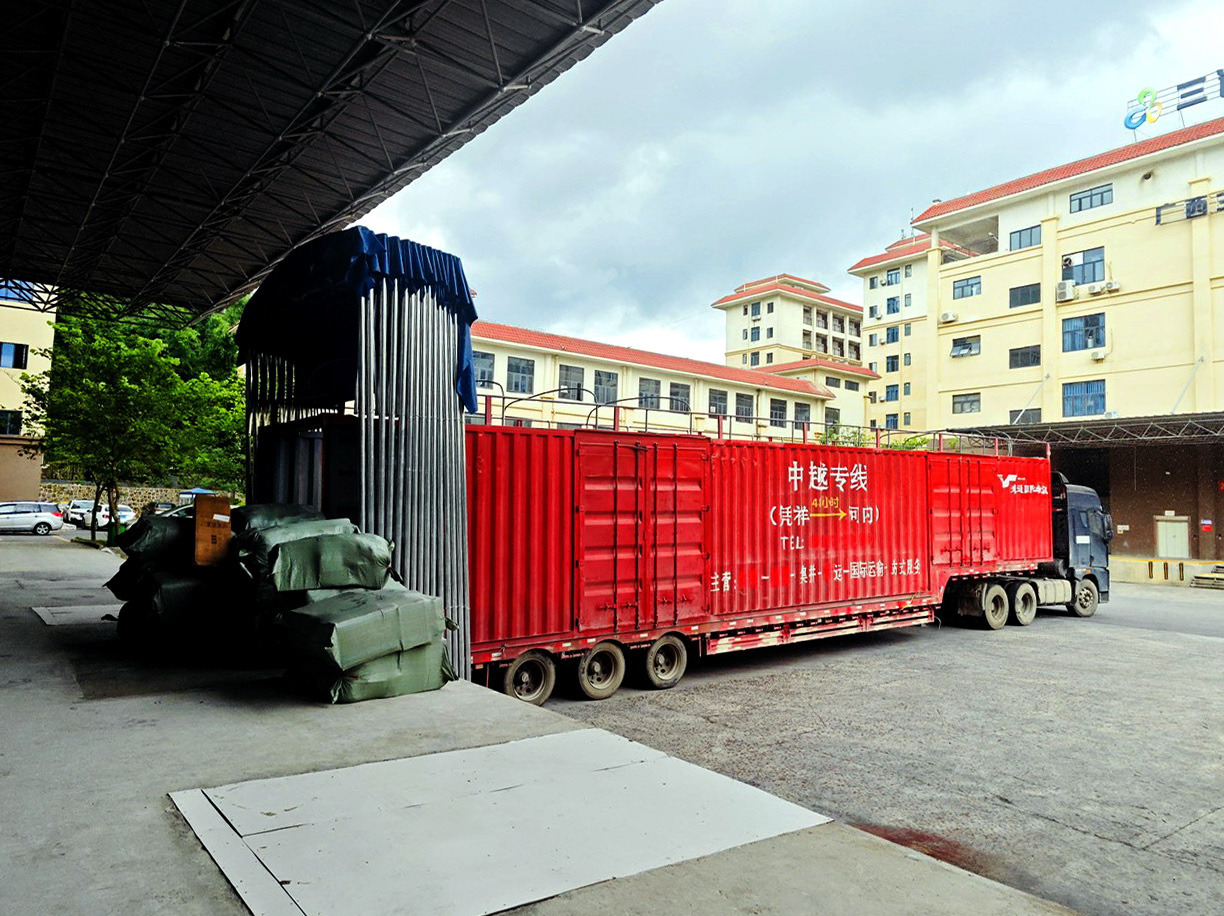
Touring various routes around the Bang Tuong border gate area (China), bordering Lang Son province, we witnessed a bustling flow of container trucks. Many were parked right in front of large warehouses, ready to transport goods to the nearby border gate. Others, heading from Vietnam back to the main warehouse in China in the border region, had empty containers, having completed their shipments. Just as we were about to enter the "Bang Tuong International E-commerce Livestreaming Zone," we saw a red container truck parked in front of a large warehouse, loaded with sacks of goods. The side of the truck bore the inscription "Specialized in transporting goods on the China-Vietnam route." Earlier, upon arriving at the gate of the "China-ASEAN Cross-Border E-commerce Logistics Industrial Park (Hekou)," a 128-acre area bordering Lao Cai province with an investment of approximately 13.1 trillion VND, we were overwhelmed by the modern, large-scale buildings used for storing goods exported to Vietnam. This industrial park has functional zones including a logistics warehousing center and a customs clearance center, located only about 295km from Hanoi. Mr. Hoang (a Chinese national working in this area) shared that thanks to the warehouses near the border, after Vietnamese customers place orders via livestream on e-commerce platforms, the goods are quickly picked up and shipped. To verify this, the reporter went on TikTok and ordered a titanium jewelry set from the store where Mr. Hoang works; the online sales broadcast was conducted right in Hekou. Just five days later, the goods were shipped to an address in Ho Chi Minh City, free of charge and without damage. According to our research, in three border localities of China – Hekou (bordering Lao Cai), Pingxiang (bordering Lang Son), and Dongxing (bordering Quang Ninh) – a series of huge warehouses have been and are being built, 3-4km from the Vietnamese border. These warehouses help sellers and e-commerce platforms shorten shipping and order processing times. The closer the warehouse, the lower the cost. According to some logistics companies, many warehouses near the border are built by businesses themselves to serve their sales operations. Even businesses in Guangzhou, which doesn't border Vietnam, have sought out the Dongxing border region to build and rent warehouses, facilitating the transportation and trade of goods through Vietnam.
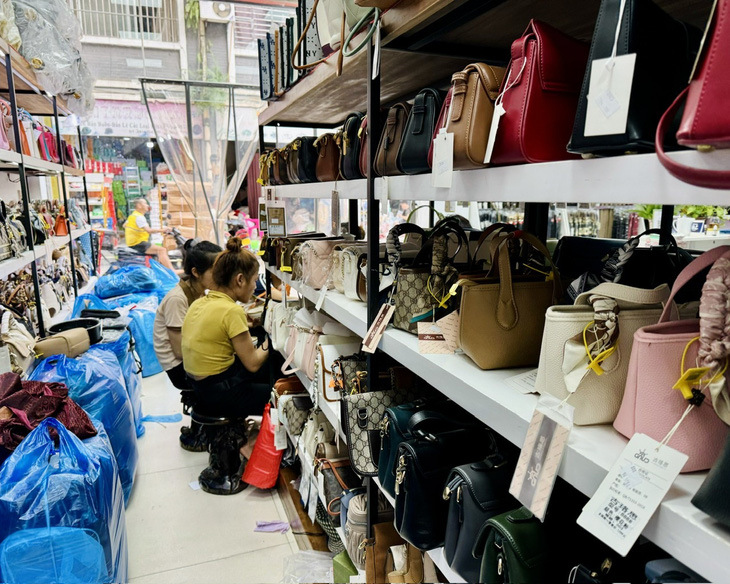
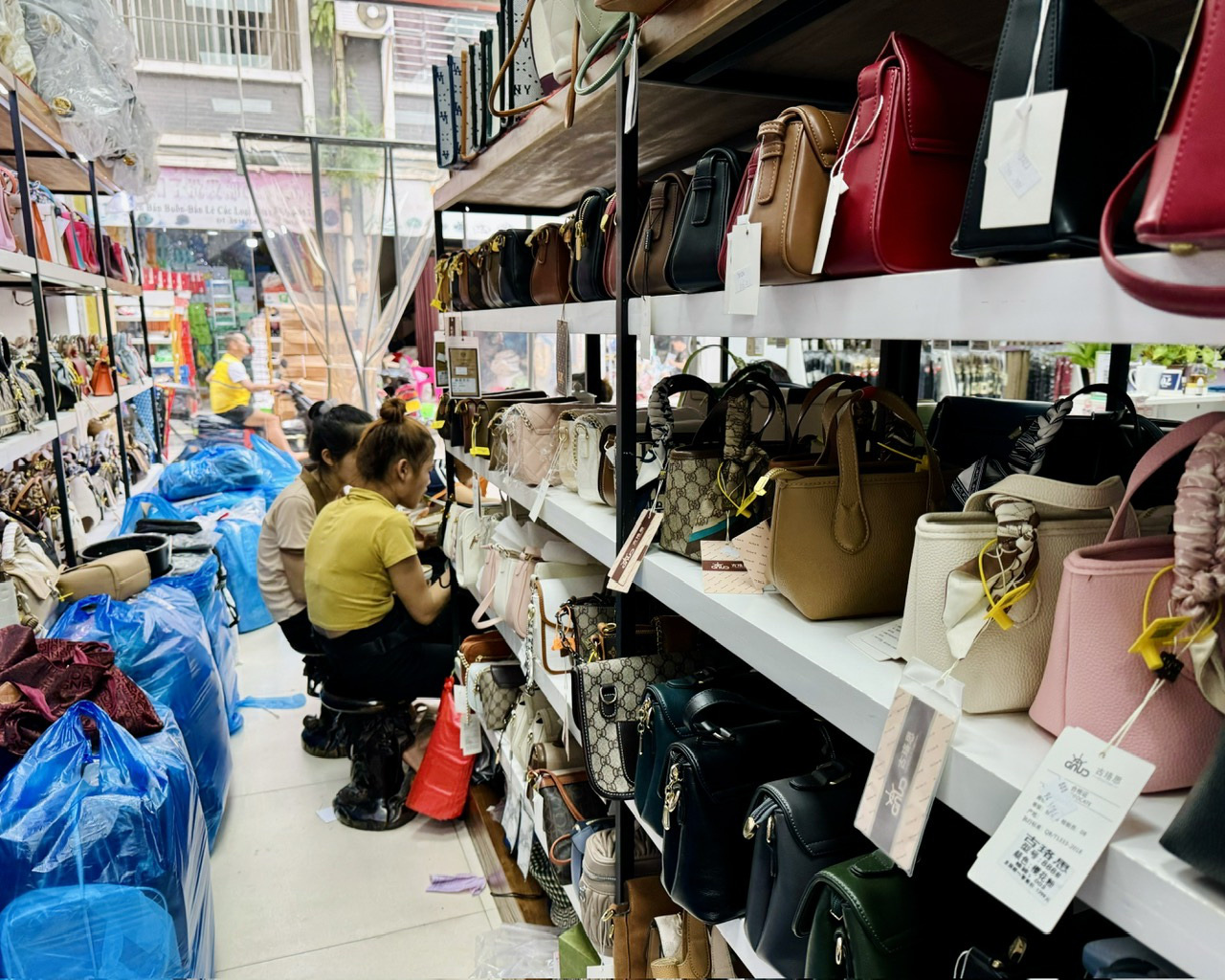
In the Ha Khau border area (bordering Lao Cai, Vietnam), many Chinese vendors have both large warehouses and showrooms, serving wholesale and retail customers - Photo: BONG MAI
Investing in warehouses and sorting centers in Vietnam.
Not only are Chinese companies building warehouses right near the Vietnamese border, but a number of them in the logistics and e-commerce sectors have also invested heavily in warehousing in Vietnam. A prime example is Best Inc., a major Chinese transportation company that, despite only entering the Vietnamese market five years ago, has invested a total of $50 million (nearly VND 1.3 trillion) in Vietnamese warehouses. In addition to its well-equipped automated sorting center in Cu Chi (Ho Chi Minh City), the company launched its largest sorting center in Southeast Asia at the end of 2021, located in the Vietnam-Singapore Industrial Park ( Bac Ninh ). By mid-2024, the company had a network of 36 sorting centers, over 700 post offices, 7,500 delivery personnel, and 100,000 square meters of warehouse space. Mr. Wang Hao, General Manager of the Small and Medium-sized Enterprise & Overseas Supply Chain Division of a Chinese logistics group, said that they have researched the Vietnamese market and predict that the logistics industry will be very dynamic in the next 10 years. "We have signed warehouse lease contracts and are opening smart warehouses. From now until the end of this year, we will launch in the North and South of Vietnam," he said. According to Mr. Wang Hao, the group bases its warehouse investment decisions on the level of market development. In Vietnam, the company will open dozens of smart warehouses, either opening them themselves or through franchising. In addition, the group will cooperate with Vietnamese businesses that own warehouses to provide technology, strategies, and sourcing to jointly operate the warehouses, optimizing costs and efficiency. Responding to Tuoi Tre newspaper, a representative from Shopee also stated that they have built an optimized logistics network with a well-invested warehouse system, concentrated in modern sorting centers such as Cu Chi (Ho Chi Minh City) and Bac Ninh. These warehouses allow shipping partners to handle delivery traffic 24/7, while also helping Shopee expand its reach and serve users in many areas. "With the goal of speeding up delivery, we also choose to cooperate with large shipping companies in the industry that have invested in professional sorting centers and possess a hub-based delivery model with delivery addresses closest to users to minimize delivery time," he said.
Trucks carrying goods from China to Vietnam are parked at the Bang Tuong warehouse (bordering Lang Son province) - Photo: BONG MAI
Race to shorten time and reduce costs.
During our journey of over 10,000km tracing the flow of goods from China into Vietnam, we learned from many logistics professionals that, in addition to modern logistics systems, businesses are investing in large-scale warehouses near the Vietnamese border, or even within Vietnam itself, to store goods with the goal of shortening delivery times and reducing costs. According to these businesses, in the race for low prices and fast delivery times, these warehouses (containing all kinds of goods from electronics, household appliances, cosmetics, etc.) play a crucial role. In fact, many Vietnamese consumers prefer buying goods on Chinese online marketplaces because of their very low prices and delivery within a few days. Speaking with Tuổi Trẻ newspaper, Mr. Cúc Uy Giang – Director of Cross-border (responsible for cross-border shipping) of a Chinese logistics company serving Shopee, Lazada, and TikTok – stated that sellers and e-commerce platforms rent border warehouses or warehouses with pre-existing inventory in Vietnam. According to Mr. Giang, previously, orders took a long time to consolidate and transport from mainland China to Vietnam. Furthermore, numerous related procedures caused delays in delivery to customers, not to mention increased costs. However, things are different now. Many e-commerce platforms with Chinese capital operating in Vietnam have built warehouses at the border or leased them from third-party carriers, such as Best, to stock goods. "Some platforms even have goods prepared in advance in Vietnam. Once an order is placed, the goods from the warehouse will go directly through last-mile shipping companies to be delivered to customers," Mr. Giang said. Ms. L., a KOC (Key Opinion Leader) with 1 million followers on TikTok and Shopee in Vietnam, revealed that preparing a large-scale livestream usually takes about 1-2 months. After signing a contract with the KOC, the factory in China quickly ships the goods to the available warehouses in Vietnam. "With the current approach, Chinese goods will benefit from reduced shipping costs and delivery times, giving them an advantage to penetrate the Vietnamese market even deeper through e-commerce platforms like Shopee, Lazada, and TikTok Shop," said a business specializing in selling Chinese goods on e-commerce platforms, expressing concern about the slow pace of Vietnamese businesses in this race.
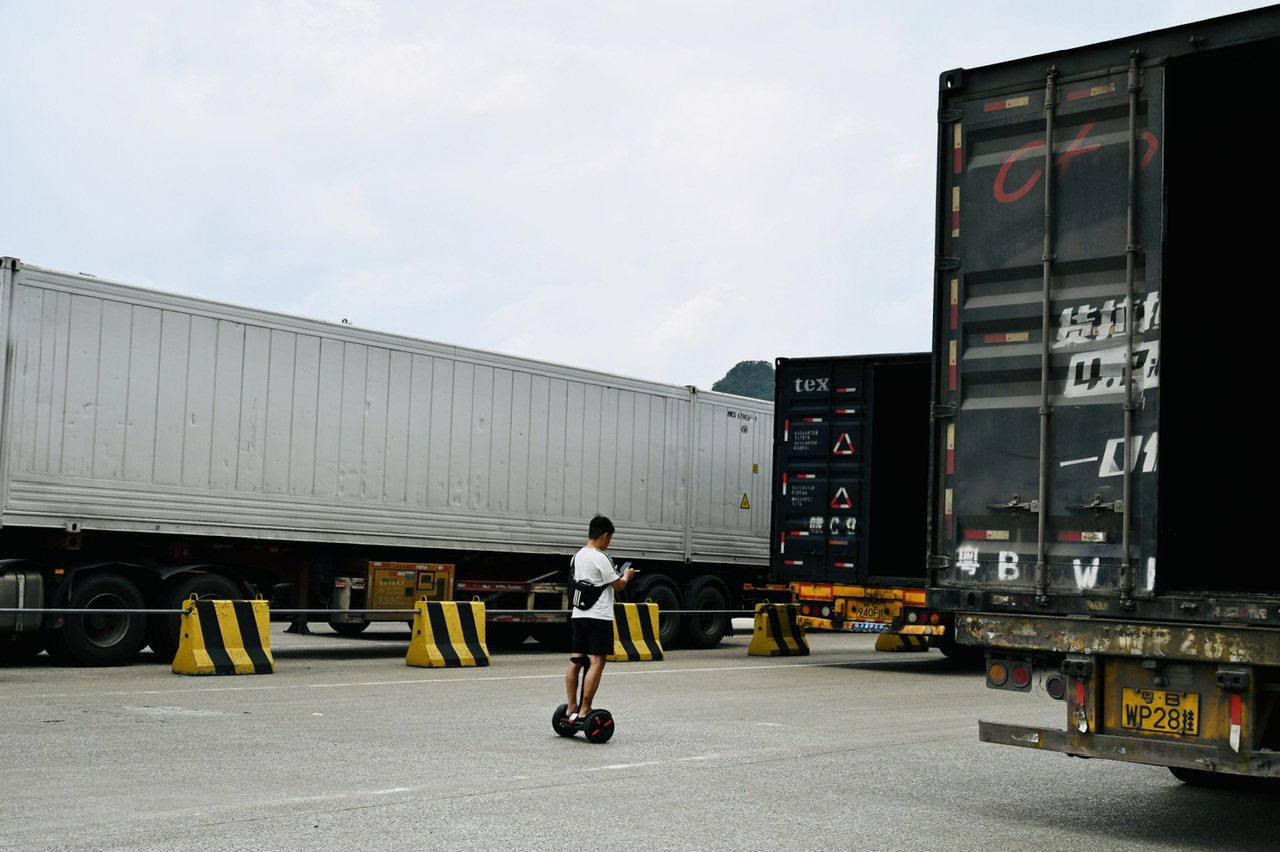
While many containers were waiting to be shipped through Vietnam, other trucks carrying empty containers were returning to the Bang Tuong border gate area (China) - Photo: BONG MAI
Warehouse rental services are thriving.
In a discussion with us about the development trends of fulfillment services, a representative from J&T Express stated that there are currently three distinct warehousing models. Firstly, there are logistics warehouses closely integrated with e-commerce platforms and managed according to the specific needs of each platform. Secondly, there are industry-specific logistics warehouses, with warehouse categories built based on the characteristics of each industry group. Thirdly, there are customized logistics warehouses providing services tailored to individual customer requirements. "Fulfillment services have been developing in Vietnam for about 10 years and are trending towards growth alongside e-commerce," the representative said. As online sales become increasingly competitive and e-commerce platforms tighten delivery deadlines, sellers tend to focus on their core business of selling, outsourcing operational tasks to professional units. Building ready-made warehouses in Vietnam will help speed up delivery and reduce transportation costs. "Sellers and manufacturers will import and stock a certain quantity of goods in warehouses in Vietnam. When an order is received, they will pack and ship the goods right in Vietnam, allowing them to control delivery times and reduce shipping costs," this person affirmed.
Vietnamese and Chinese businesses cooperate to establish a logistics center.
With the increasing demand for goods transportation between Vietnam and China, many domestic logistics businesses have proactively developed warehouses near the border, and even collaborated with businesses and local authorities near the border to establish logistics centers to accelerate delivery speeds. Viettel Post (a member of Viettel Group) has partnered with the Nanning City government (China) to invest in a logistics center in Nanning, and with Pingxiang City to build a China-ASEAN agricultural product trading center in Pingxiang. Specifically for Nanning, Viettel Post is deploying a cross-border train service invested in by Viettel and providing "customs clearance inspection" services at 30 centers located deep within Vietnam. The goal is to reduce the connection time between Nanning and Hanoi by half to just 12 hours, optimize logistics costs by at least 30%, and contribute to promoting trade between the two countries.
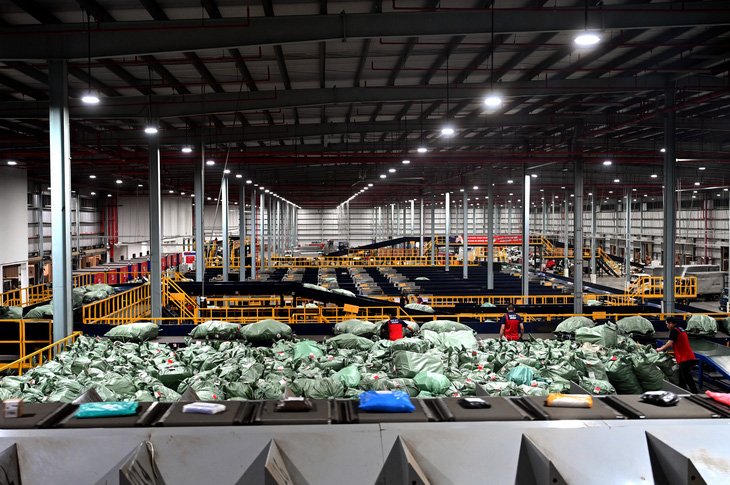
Chinese logistics companies are investing in well-organized and modern warehouses in Vietnam - Photo: BONG MAI
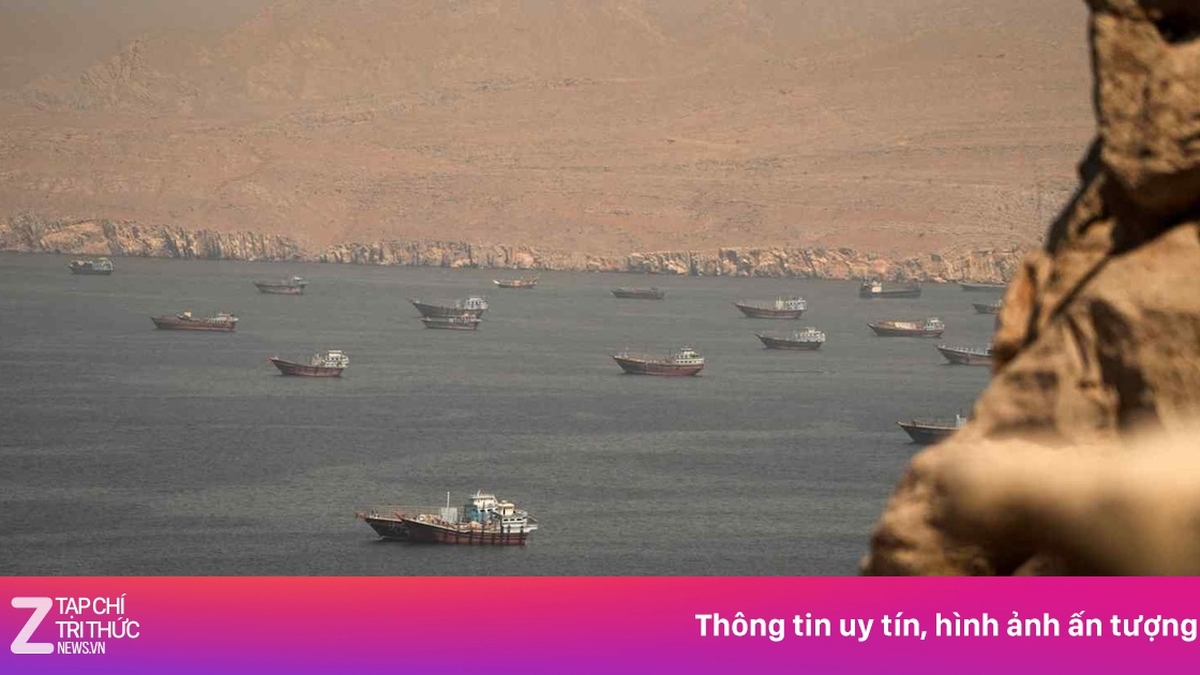
Iran has again blockaded the Strait of Hormuz.On June 19, Iran reimposed a blockade on the Strait of Hormuz, citing Israel's refusal to withdraw its forces from southern Lebanon and the continued presence of US troops in the region.
Major investment in warehousing and transportation in Vietnam.
In July 2024, SPX Express – the shipping and warehousing unit of Shopee (part of the SEA Group, China) – broke ground on a new automated sorting center in Binh Duong Industrial Park, with a total area of 106,000 m2 and a total investment of over 30 million USD (nearly 800 billion VND). In 2023, this company put into operation a 100,000 m2 sorting center in Bac Ninh. Meanwhile, Cainiao, a logistics company of the Alibaba Group (China), built two smart warehousing centers in Dong Nai and Long An to serve the processing of orders on its "family" platforms, Lazada and AliExpress. According to our research, each of these sorting centers can handle 1-2.5 million orders per day.
Many challenges for Vietnamese manufacturers and retailers.
Speaking to Tuoi Tre newspaper, a representative of the Vietnam Logistics Services Business Association (VLA) stated that the strong investment by Chinese businesses in e-commerce warehouses near the border and within Vietnam will pose significant challenges for Vietnamese manufacturers and retailers. Vietnamese businesses, primarily small and medium-sized enterprises, will be forced to compete with these Chinese "giants" right on their home turf in Vietnam, where the advantage currently lies with Chinese businesses. However, if Vietnamese businesses can leverage this warehouse system to export Vietnamese goods to the Chinese market, they will also benefit from access to a market with a billion people.