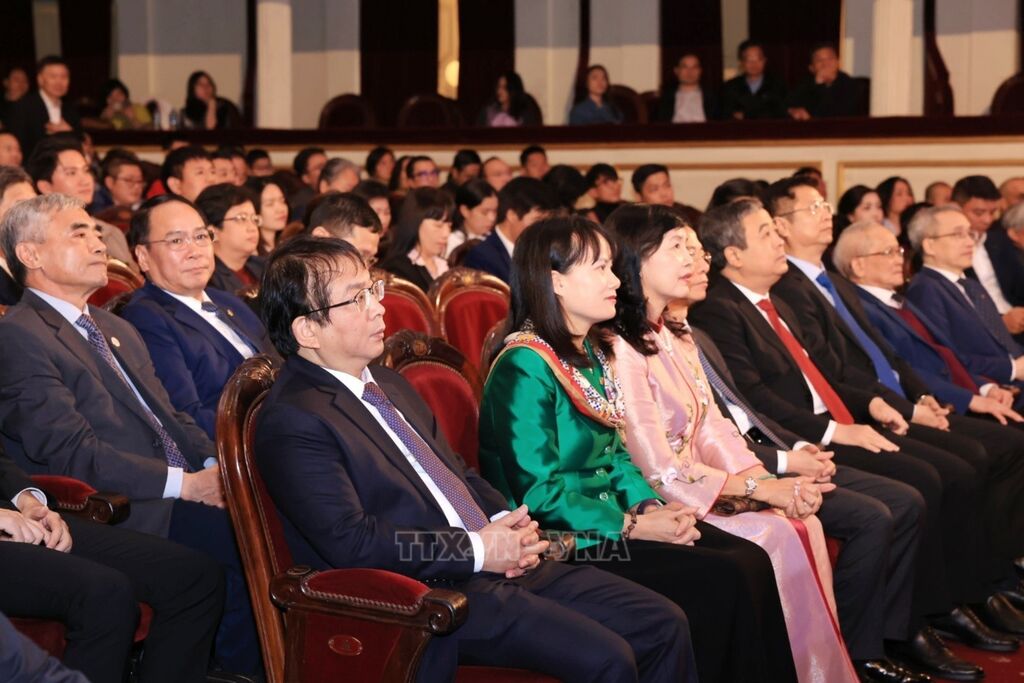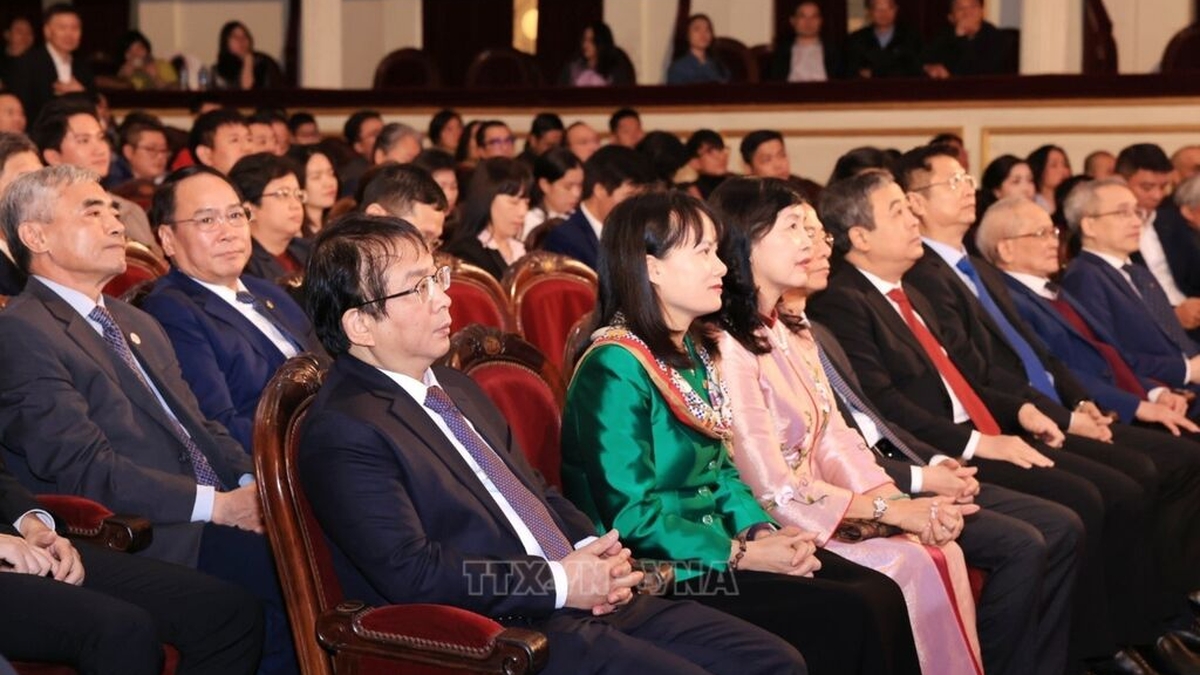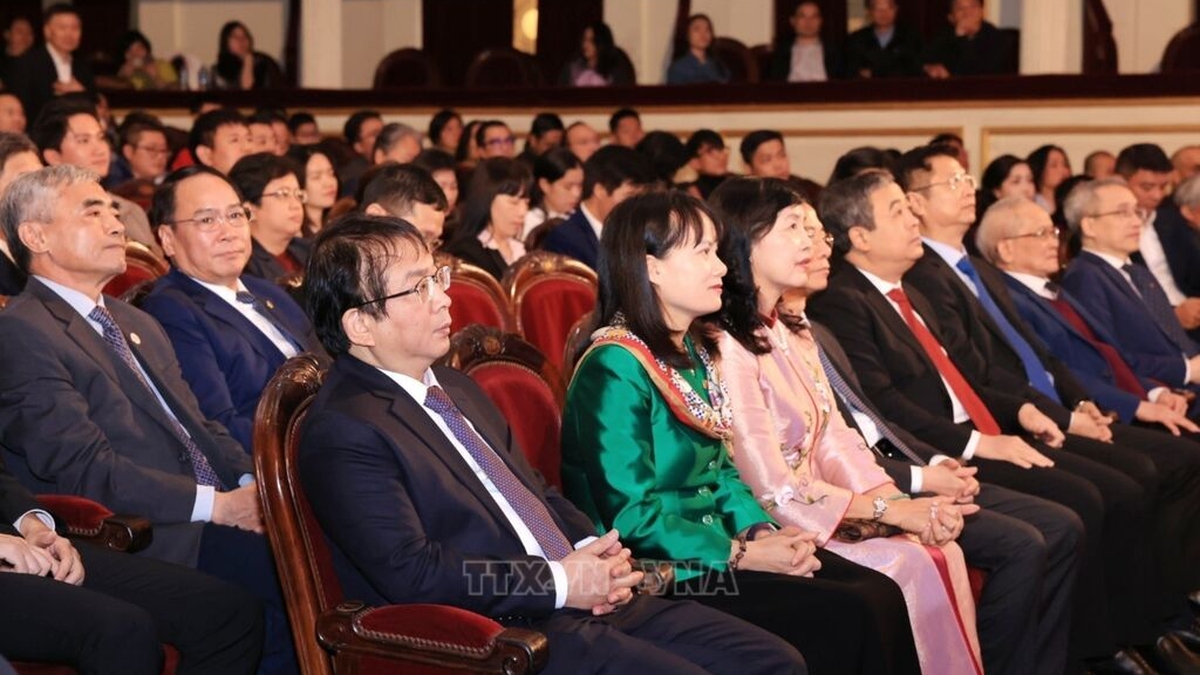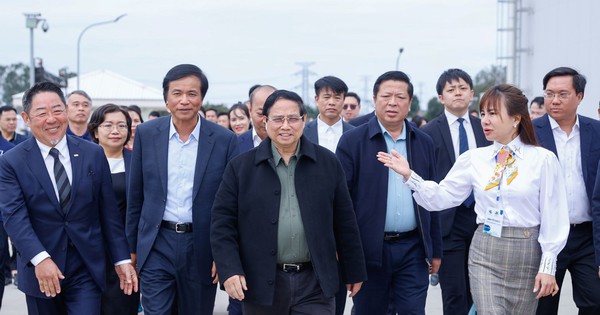

Vietnamese Consul General in Hong Kong and Macau (China), Le Duc Hanh, assessed that the visit of Hong Kong Chief Executive Lee Ka-chiu to Vietnam showed a convergence of vision, goals, and actions between the two sides.
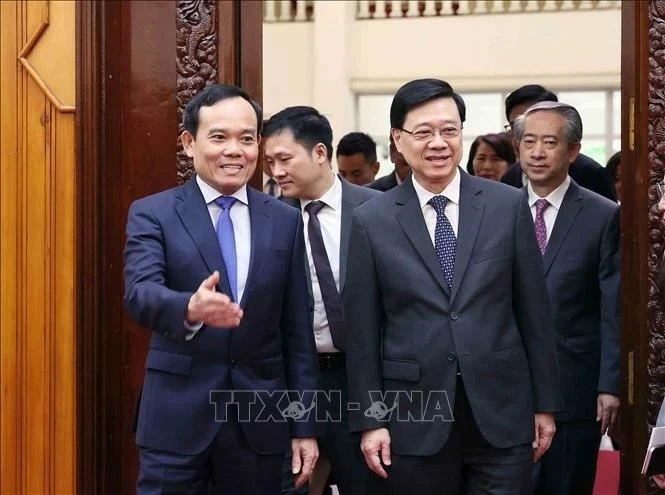 |
| Deputy Prime Minister Tran Luu Quang received Hong Kong Chief Executive Lee Ka-chiu in Hanoi . |
Could you please tell us about the highlights of the recent visit to Vietnam by the Chief Executive of the Hong Kong Special Administrative Region, Lee Ka-chiu ? (from July 31st to August 2nd)
Over three days, from July 31st to August 2nd, in Hanoi and Ho Chi Minh City, Hong Kong Chief Executive Lee Ka-chiu led a delegation of senior Hong Kong officials and nearly 30 major businesses from the Special Administrative Region, representing diverse sectors including finance, trade, innovation and technology, aviation, logistics, and real estate.
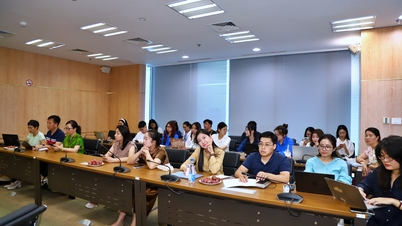
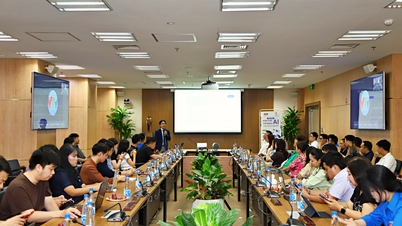
In Hanoi, General Secretary and President To Lam received the delegation led by Chief Executive Lee Ka-chiu. Deputy Prime Minister Tran Luu Quang and Chief Executive Lee Ka-chiu held talks and co-chaired a business seminar.
In Ho Chi Minh City, Comrade Nguyen Ho Hai, Permanent Deputy Secretary of the City Party Committee, received the Chief Executive. Comrade Phan Van Mai, Chairman of the People's Committee of the city, received the delegation and co-chaired the Business Forum with Mr. Ly Gia Sieu.
Eight cooperation agreements were signed in Hanoi and 22 in Ho Chi Minh City. This sets a new record for the number of cooperation agreements signed during a visit by the Chief Executive of the Hong Kong Special Administrative Region to a single country. The agreements cover a wide range of areas, from economic and trade cooperation to education and training, people-to-people exchanges between associations on both sides, tourism promotion, and customs cooperation.
Throughout all exchanges and interactions, both sides expressed their sincere desire and strong determination to enhance the exchange of working delegations between government levels, facilitating the exchange of experts, businesses, cultural and artistic activities, and tourism.
Both sides reviewed their long-standing and strong ties, which are also dynamic and evolving in a constantly changing world, opening up new opportunities for cooperation between Vietnam and Hong Kong. The visit not only marked an important milestone in the relationship between the two governments but also affirmed the alignment of their visions, goals, and actions.
The first visit of Chief Executive Lee Ka-chiu of the Lee Special Administrative Region to Vietnam since taking office is considered a significant step forward in bilateral relations. What are your expectations regarding the changes following the visit, especially in key areas that are priorities for both sides?
This is not only the first official visit of Lee Ka-chiu to Vietnam as Chief Executive of the Hong Kong Special Administrative Region, but also the first official visit of a Chief Executive of the Hong Kong Special Administrative Region to Vietnam.
As Deputy Prime Minister Tran Luu Quang told Mr. Lee Ka-chiu at the meeting, Vietnam and Hong Kong have actually been reliable partners for a long time. According to 2023 data from the Hong Kong Statistics Department, the total trade turnover between Vietnam and Hong Kong reached US$31.3 billion.
Vietnam is Hong Kong's second largest trading partner in ASEAN (after Singapore) and its seventh largest globally. Vietnam is Hong Kong's eighth largest export market, with a trade value of US$17.1 billion, and its fifth largest import market from Hong Kong, with a trade value of US$14.2 billion.
As of December 2023, Hong Kong was the 5th largest FDI investor in Vietnam with a cumulative investment total of US$34.1 billion. In 2023 alone, Hong Kong's investment in Vietnam ranked 3rd.
The two economies have particularly close connections in sectors such as manufacturing, processing, real estate, and the export of agricultural and seafood products from Vietnam to Hong Kong. However, there is still much room for growth, considering Hong Kong's strengths with its unique "one country, two systems" model, its position as a "bridge" between mainland China and the world, and its aspiration to develop into a "hyper-connected hub," and Vietnam's strengths as a "rising star" (according to Chief Executive Lee Ka-chiu in Ho Chi Minh City) with impressive growth rates and a stable political foundation, seeking stronger connections with international markets, aiming to become a high-income country by 2045.
From my observation, the visit has deepened relations between the two sides and opened up new avenues for cooperation, specifically:
Firstly , both sides agreed to support each other's participation and active contributions to international economic forums. Hong Kong supports Vietnam's bid to host APEC 2027, and Vietnam welcomes Hong Kong's expressed intention to negotiate joining RCEP.
Secondly, the two sides signed memoranda of understanding on financial cooperation and on the establishment of an international financial center in Ho Chi Minh City. During the visit, there were substantive contacts and discussions between experts and managers from both sides to concretize the roadmap and direction for implementing this agreement.
Thirdly , both sides emphasized the continued promotion of cooperation in training and entrepreneurship support, especially in talent development and vocational training, leveraging Hong Kong's advantages with many world-leading universities and the Hong Kong government's talent support policies. Both sides also agreed to strongly promote cooperation in science and technology and services, with Vietnam appreciating Hong Kong's world-class experts in many fields, while Hong Kong modestly stressed "mutual learning."
Fourth , both sides reached very positive common understandings regarding the cultural and historical closeness between them, agreeing to strengthen exchanges of delegations, further facilitate two-way tourism and people-to-people exchanges.
During the visit, Chief Executive Lee Ka-chiu also respectfully invited the leaders of the Vietnamese Government to attend and speak at the Belt and Road Summit to be held in September 2024 in Hong Kong.
It can be said that the results of this visit not only met the expectations of the people and businesses of both sides but also demonstrated the foresight of the leaders of both sides regarding development, reflecting the importance they place on the comprehensive strategic partnership between Vietnam and China in general, and the cooperation between Vietnam and Hong Kong in particular.
One of the highlights of this visit is promoting cooperation between localities in the Hong Kong Special Administrative Region, particularly with Ho Chi Minh City, as the city aims to become a regional and international financial center. Could you please elaborate on this cooperation, its objectives, and expectations for positive developments following the visit?
As Mr. Lee Ka-chiu stated at the reception by Mr. Phan Van Mai, Chairman of the People's Committee of Ho Chi Minh City, the Hong Kong side believes that Ho Chi Minh City's vision of becoming an international financial center will become a reality, especially after more than a day in Ho Chi Minh City with Mr. Lee Ka-chiu's delegation, experiencing the city's determination and dynamism.
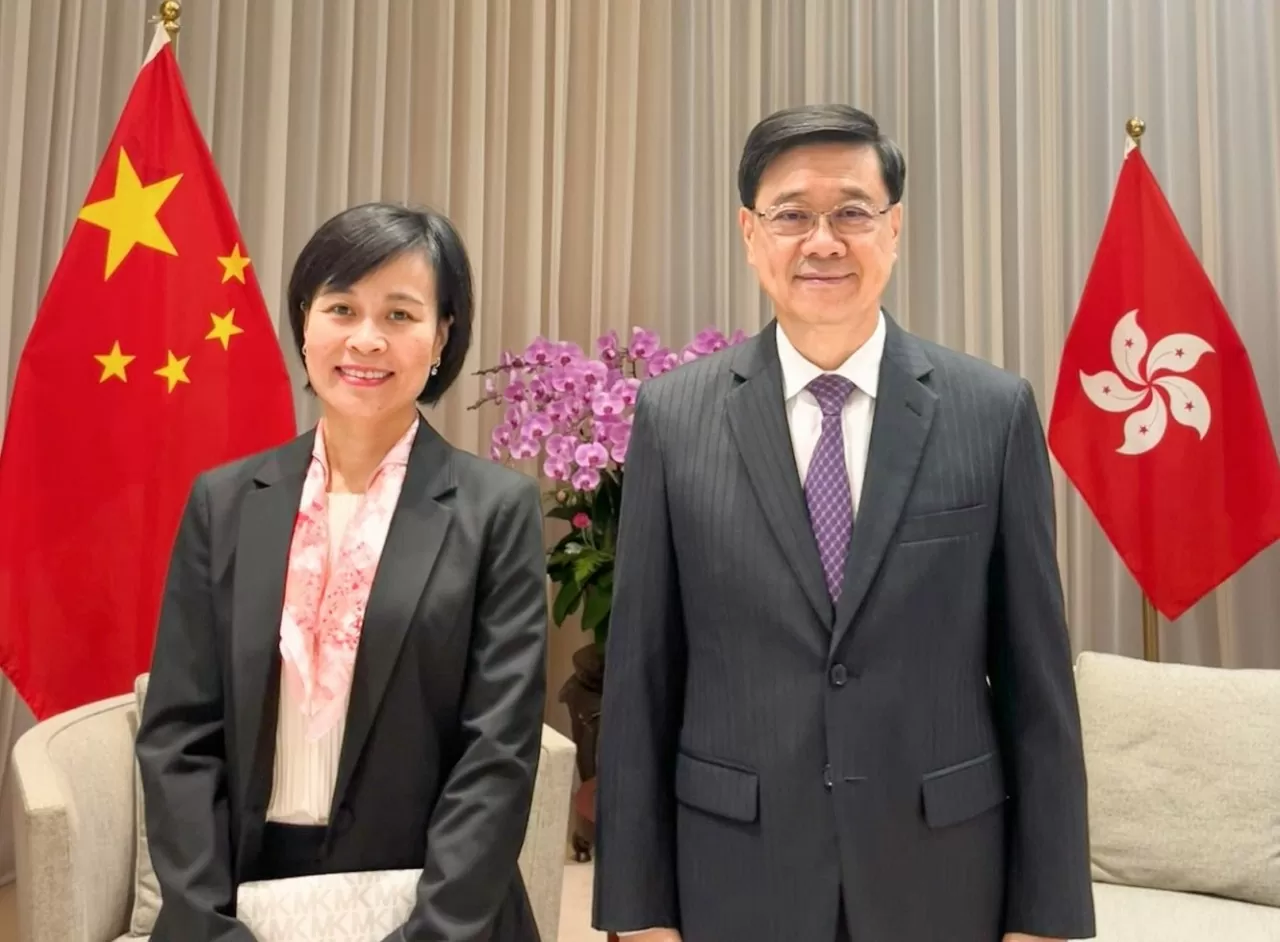 |
| Consul General Le Duc Hanh paid a courtesy visit to the Chief Executive of the Hong Kong Special Administrative Region, Lee Ka-chiu, as he began his term of office. |
Following the Chief Executive's visit, the Vietnamese side also gained a clearer understanding of Hong Kong's aspirations to become a "hyper-connected hub," with strengths such as a team of internationally qualified experts with regional knowledge, understanding of financial and investment regulations, international connectivity, and connections with mainland China…


The cooperation agreement between the two sides stems from very realistic assessments of each other's strengths and areas for mutual support and complementarity, as well as the long-standing economic, cultural, and people-to-people relationship between the two localities. Therefore, I believe that cooperation in building an international financial center in Ho Chi Minh City is feasible and will yield tangible results.
During the discussions and meetings, very specific proposals were made, such as the Hong Kong side inviting Vietnamese businesses to participate in IPOs on the Hong Kong stock market.
Nevertheless, both sides understand that an international financial center encompasses not only the stock market but also aspects such as bonds, investments, and insurance. Furthermore, building the physical infrastructure for an international financial center is only the simplest part compared to the enormous task of establishing a legal framework and, more importantly, building a team of world-class experts in finance, banking, investment, insurance, law, dispute resolution, and the capacity for connectivity in these areas, including data connectivity.
I believe that, in the coming period, in order to gradually implement the Memorandum of Understanding on building an international financial center in Ho Chi Minh City, the two localities will need to exchange a great deal of information and send delegations to work directly at various levels.
In fulfilling its role as Vietnam's representative office in Hong Kong, the Vietnamese Consulate General in Hong Kong will also need to make every effort to facilitate exchanges at all levels, from government and local authorities to businesses and people, not only to implement the Memorandum of Understanding, but also to continue contributing to the development of Vietnam-Hong Kong relations on the path of "Super Connectivity: New Pathways Towards Success," as the theme of the meeting in Ho Chi Minh City suggested.
Thank you, Consul General!
Source: https://baoquocte.vn/viet-nam-hong-kong-mo-ra-cac-huong-hop-tac-moi-giua-mot-ngoi-sao-dang-len-va-trung-tam-sieu-ket-noi-281523.html