
Tuong opera (also known as Hat Boi opera) is a precious cultural asset of traditional theater, a gem in the treasure trove of folk culture, and a National Intangible Cultural Heritage. In today's rapidly developing society, traditional arts in general, and Tuong opera in particular, are constantly facing the risk of gradual decline over time. However, thanks to the efforts and attention from many sides dedicated to Tuong opera, this theatrical art form has strongly revived, affirming its position and place in the hearts of the public. In recent years, thanks to the attention of the Party and the State, as well as the love and passion of the artists and artisans, it is hoped that Tuong opera will soon be recognized by UNESCO as an Intangible Cultural Heritage of Humanity. 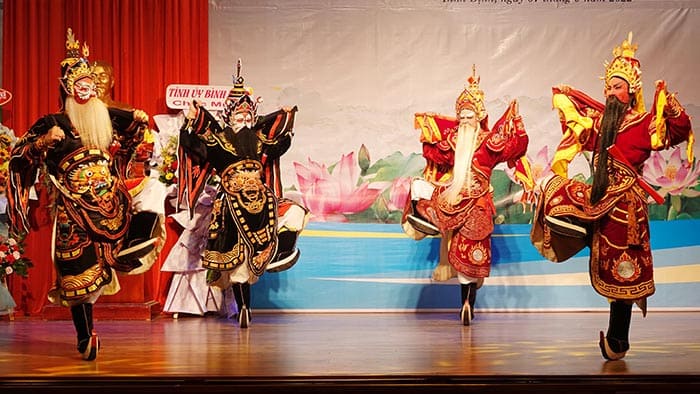 Join Vietnam.vn in exploring the art of Tuong opera through the photo series "Folk Tuong Opera" by author Tran Hung Dao. Through this, you will gain a deeper understanding of ancient Tuong opera works and exemplary excerpts, which are truly valuable cultural assets of Vietnamese folk theater, helping to convey the vitality of ancient Tuong opera to every Vietnamese soul. In particular, the art of makeup in Tuong opera requires great skill and meticulousness. Actors must put in the effort to learn how to do their own makeup and paint their own masks. This photo series was submitted by the author to the "Happy Vietnam" photo and video contest, organized by the Ministry of Information and Communications .
 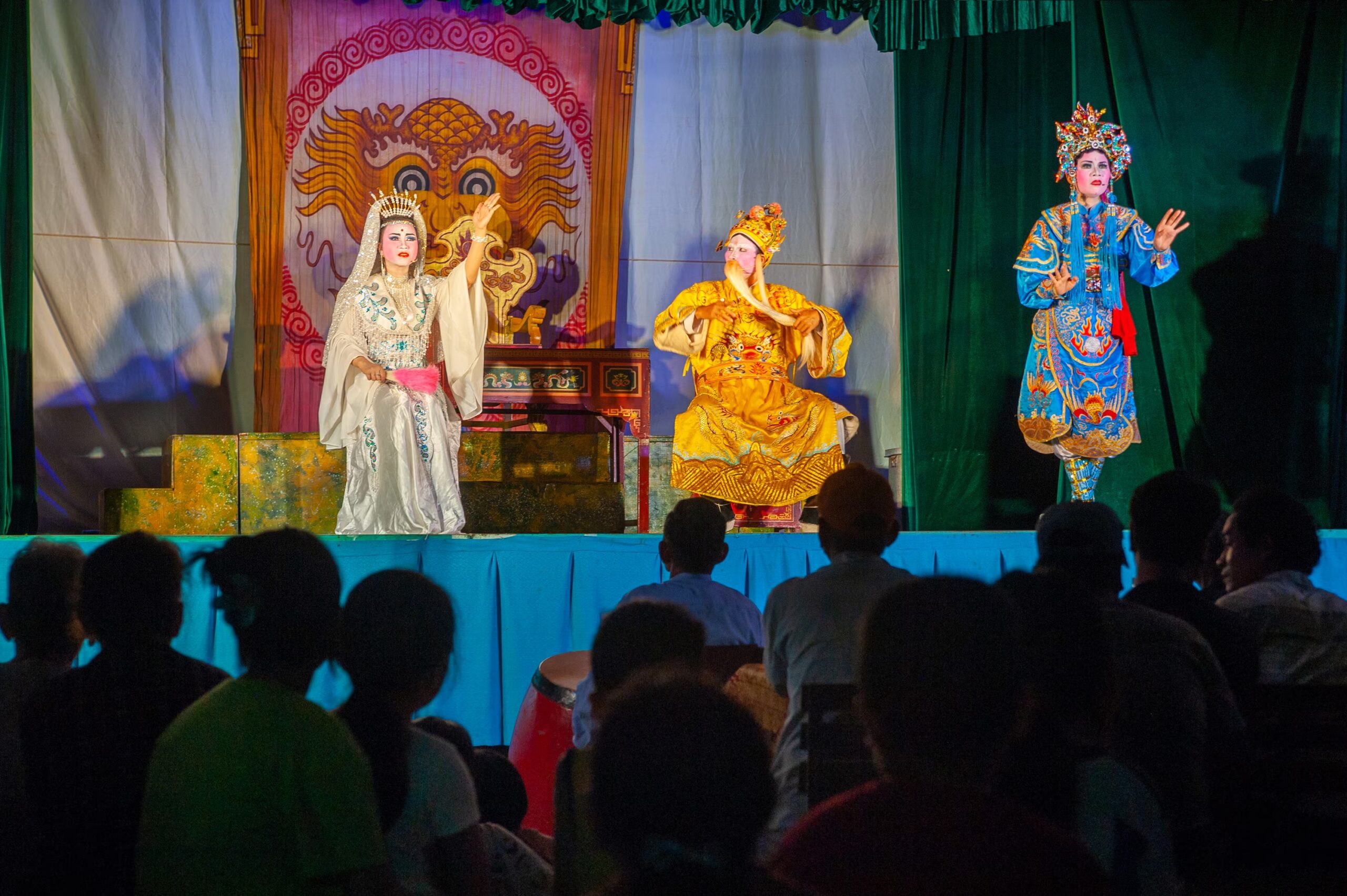 Tuong, also known as Hat Boi or Hat Bo, is a traditional performing art form that developed from the long-standing and rich folk songs, dances, music, and theatrical performances of the Vietnamese people. By the end of the 18th century, Tuong had developed completely in all aspects, from literary scripts to performance art. In the 19th century, Tuong experienced a period of peak development in the history of this art form. Along with the actors, the stage scene gradually unfolds, and the location and time of the Tuong performance are determined. Through singing, dancing, and musical accompaniment, the Tuong actors' performance art clarifies the meaning of the story, creating aesthetic and intellectual pleasure...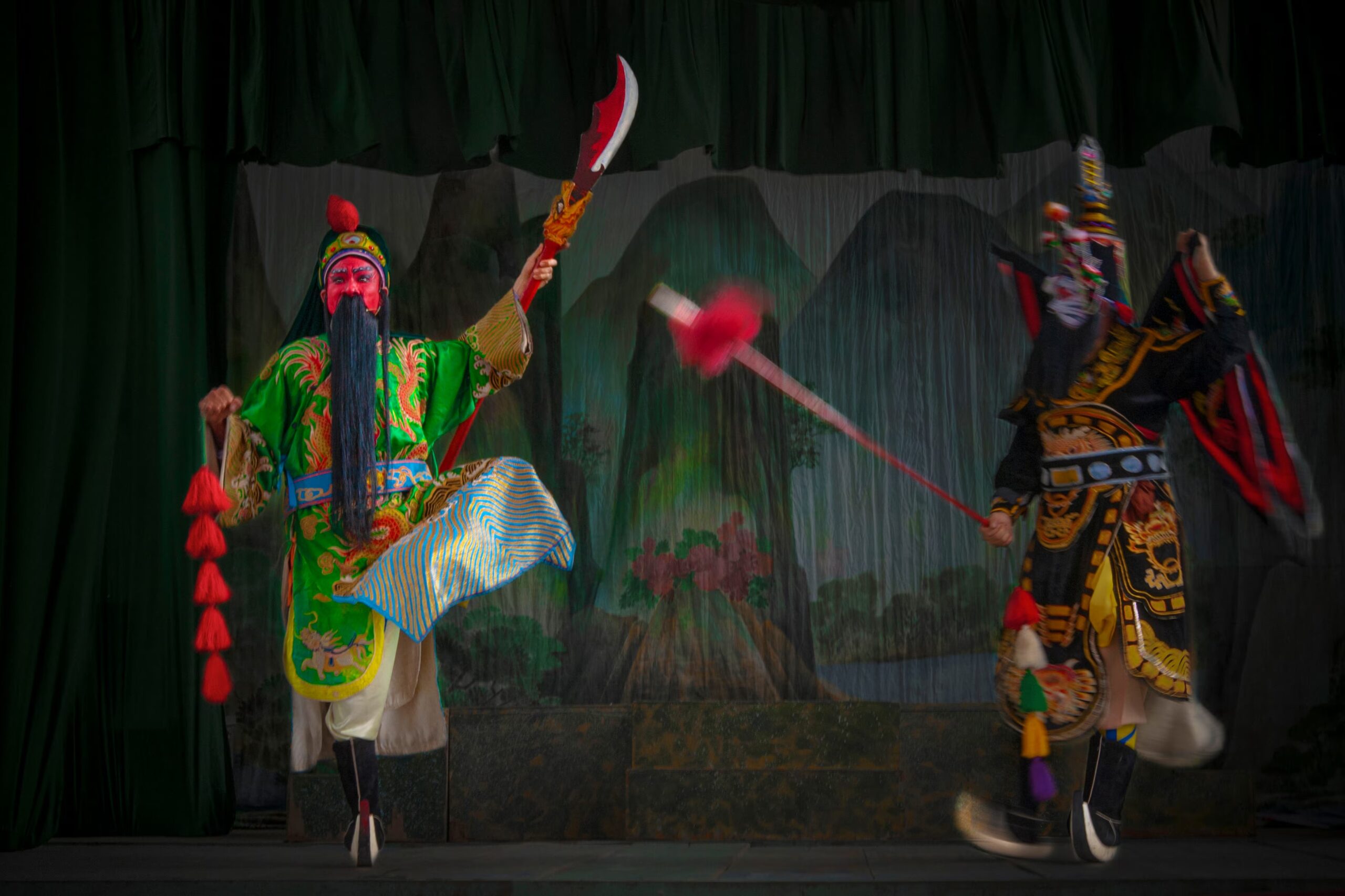
Tuong opera actors use dance (movement) and a system of spoken dialogue, musical pieces, and melodies (singing) as the two main means to portray the character's personality and emotions, allowing the audience to see and understand them. Tuong dance is formed from the movements and psychological actions in the social life of people. Generations of actors have refined movements from daily life and work, absorbing the essence of folk dances, religious dances, dances in ceremonies and festivals, court dances, and traditional martial arts to build Tuong dance according to a system of movements ranging from simple to complex. Join Vietnam.vn in exploring the art of Tuong opera through the photo series "Folk Tuong Opera" by author Tran Hung Dao. Through this, you will gain a deeper understanding of ancient Tuong opera works and exemplary excerpts, which are truly valuable cultural assets of Vietnamese folk theater, helping to convey the vitality of ancient Tuong opera to every Vietnamese soul. In particular, the art of makeup in Tuong opera requires great skill and meticulousness. Actors must put in the effort to learn how to do their own makeup and paint their own masks. This photo series was submitted by the author to the "Happy Vietnam" photo and video contest, organized by the Ministry of Information and Communications . Tuong, also known as Hat Boi or Hat Bo, is a traditional performing art form that developed from the long-standing and rich folk songs, dances, music, and theatrical performances of the Vietnamese people. By the end of the 18th century, Tuong had developed completely in all aspects, from literary scripts to performance art. In the 19th century, Tuong experienced a period of peak development in the history of this art form. Along with the actors, the stage scene gradually unfolds, and the location and time of the Tuong performance are determined. Through singing, dancing, and musical accompaniment, the Tuong actors' performance art clarifies the meaning of the story, creating aesthetic and intellectual pleasure... 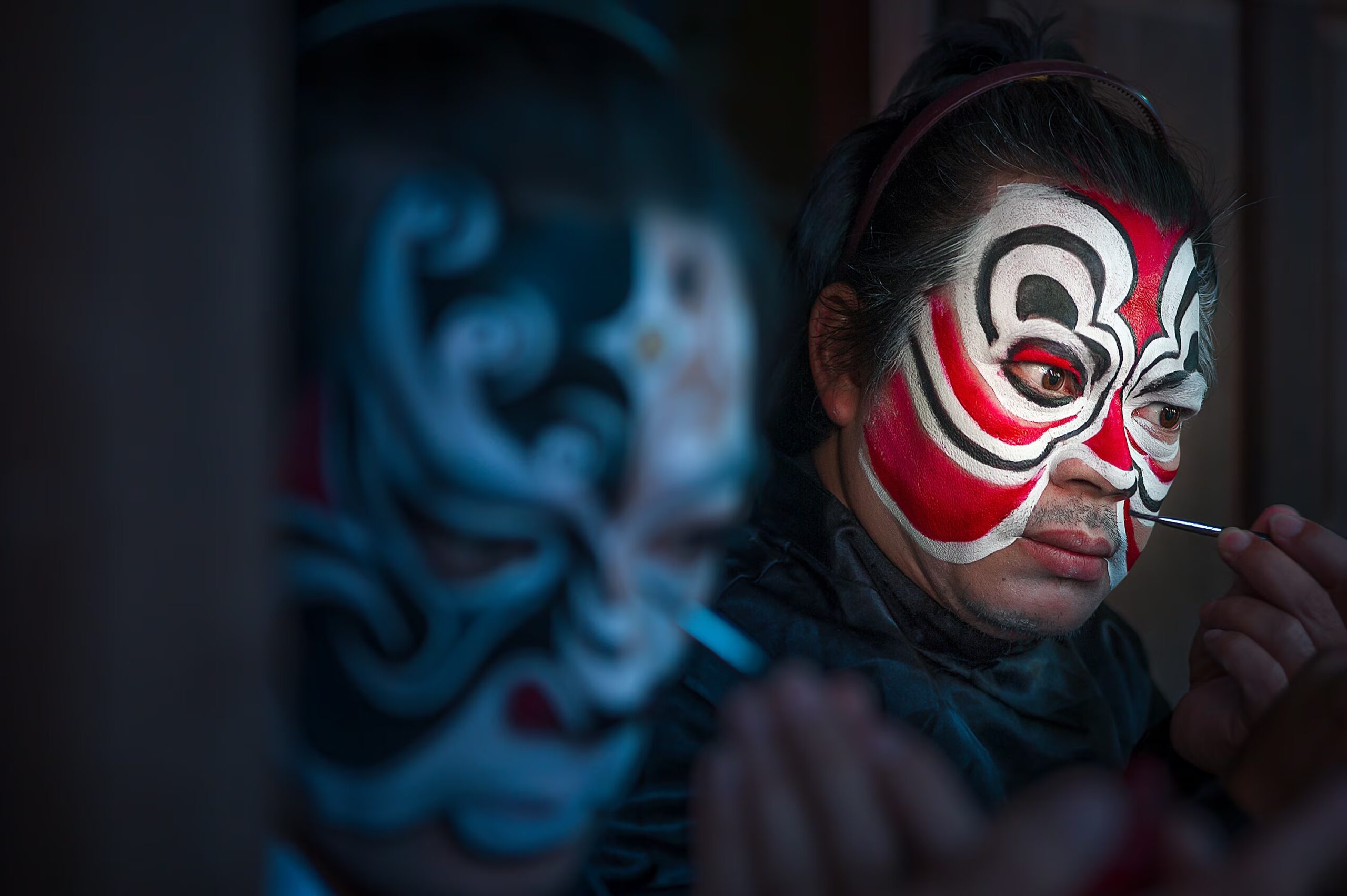
Portrait of a military general: red skin tone, white circles around the eyes, associated with the image of loyal and virtuous heroes.
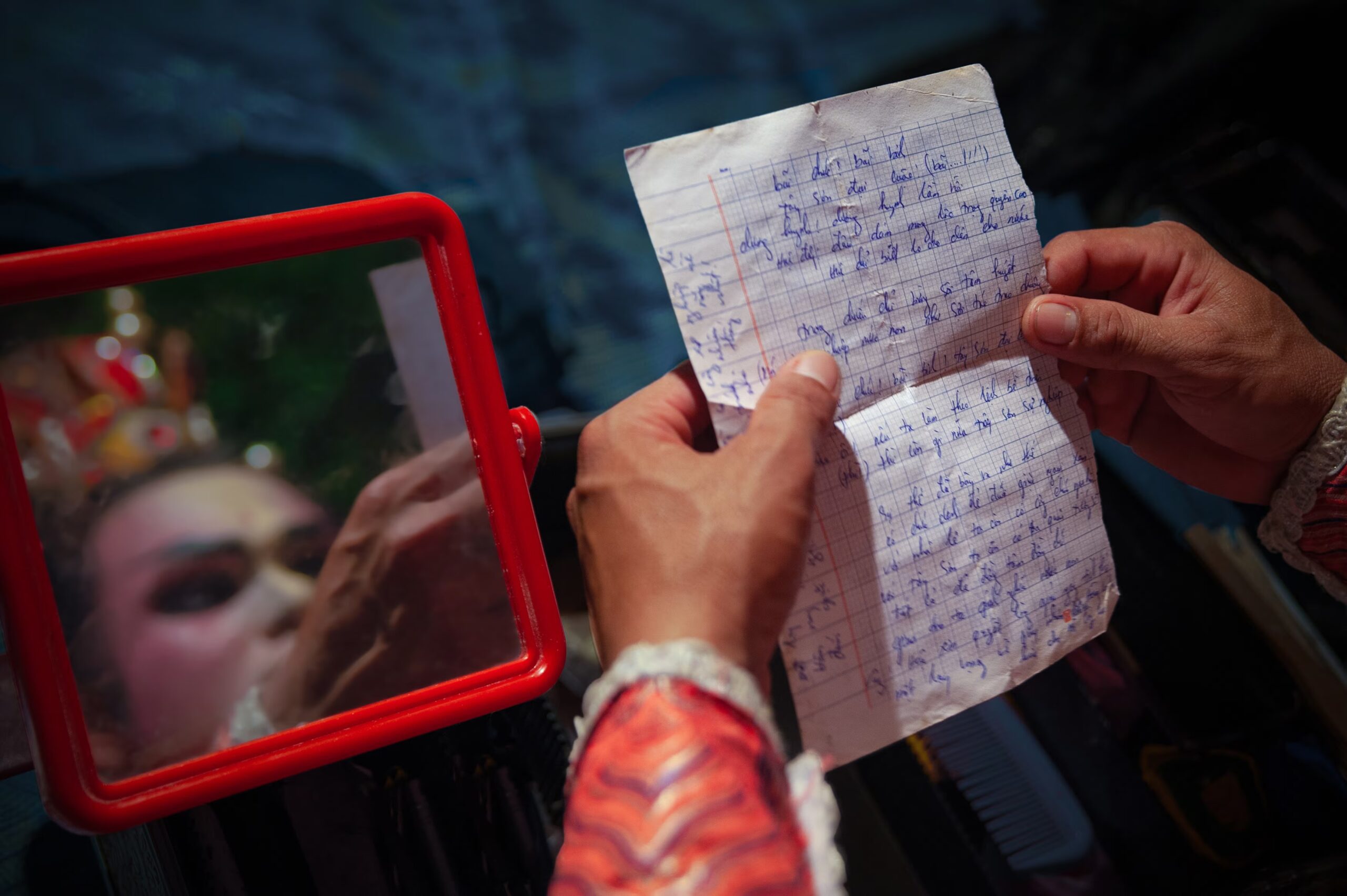
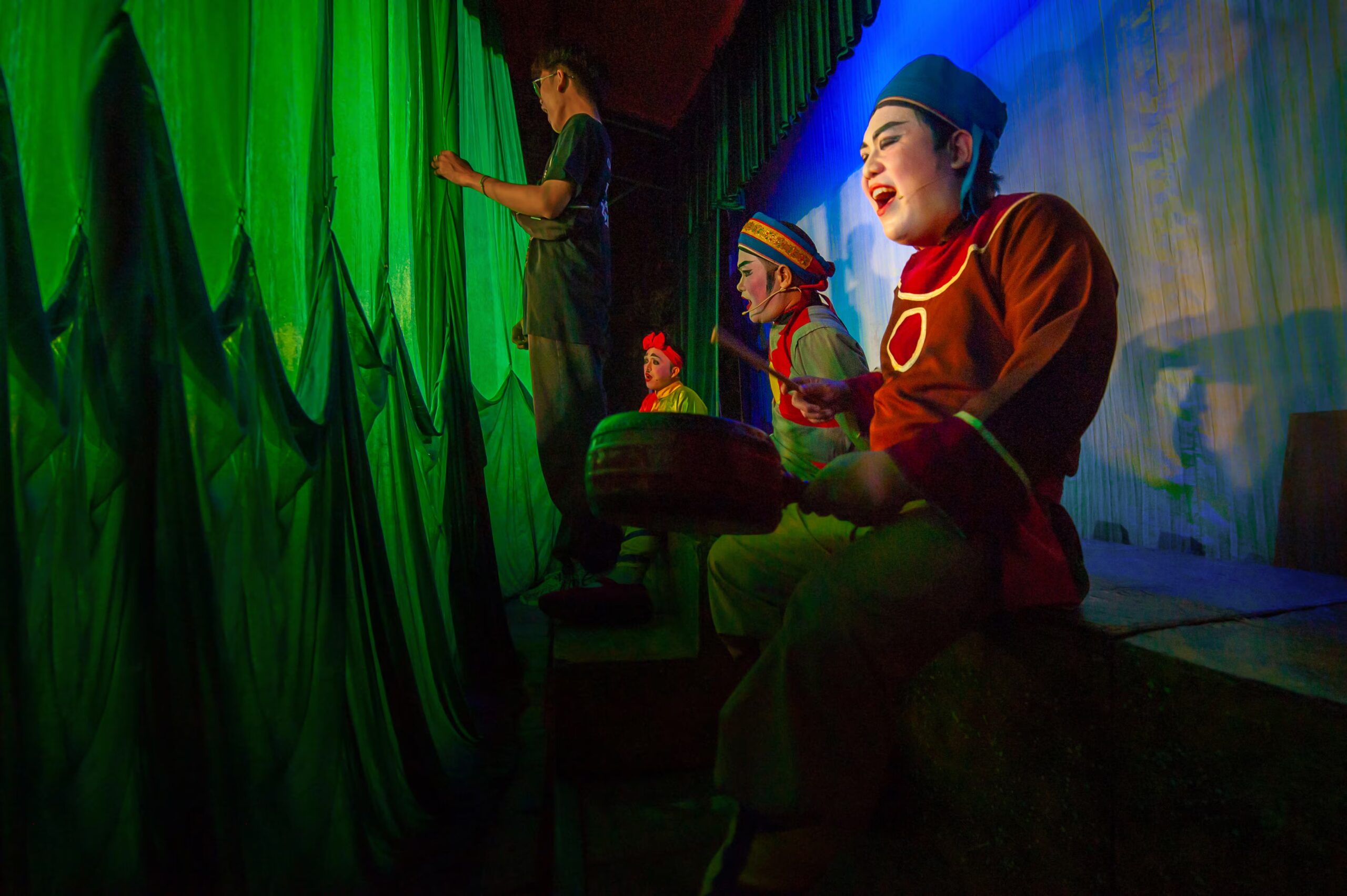 Tuong opera originated from rituals and chanting in Buddhist temples, and from folk storytelling and singing; it is written in various poetic forms such as lục bát (six-eight syllable), tứ tuyệt (four-line quatrain), song thất lục bát (seven-six-eight syllable)... Tuong opera has a rhythmic system that transitions from everyday speech to spoken verse.
 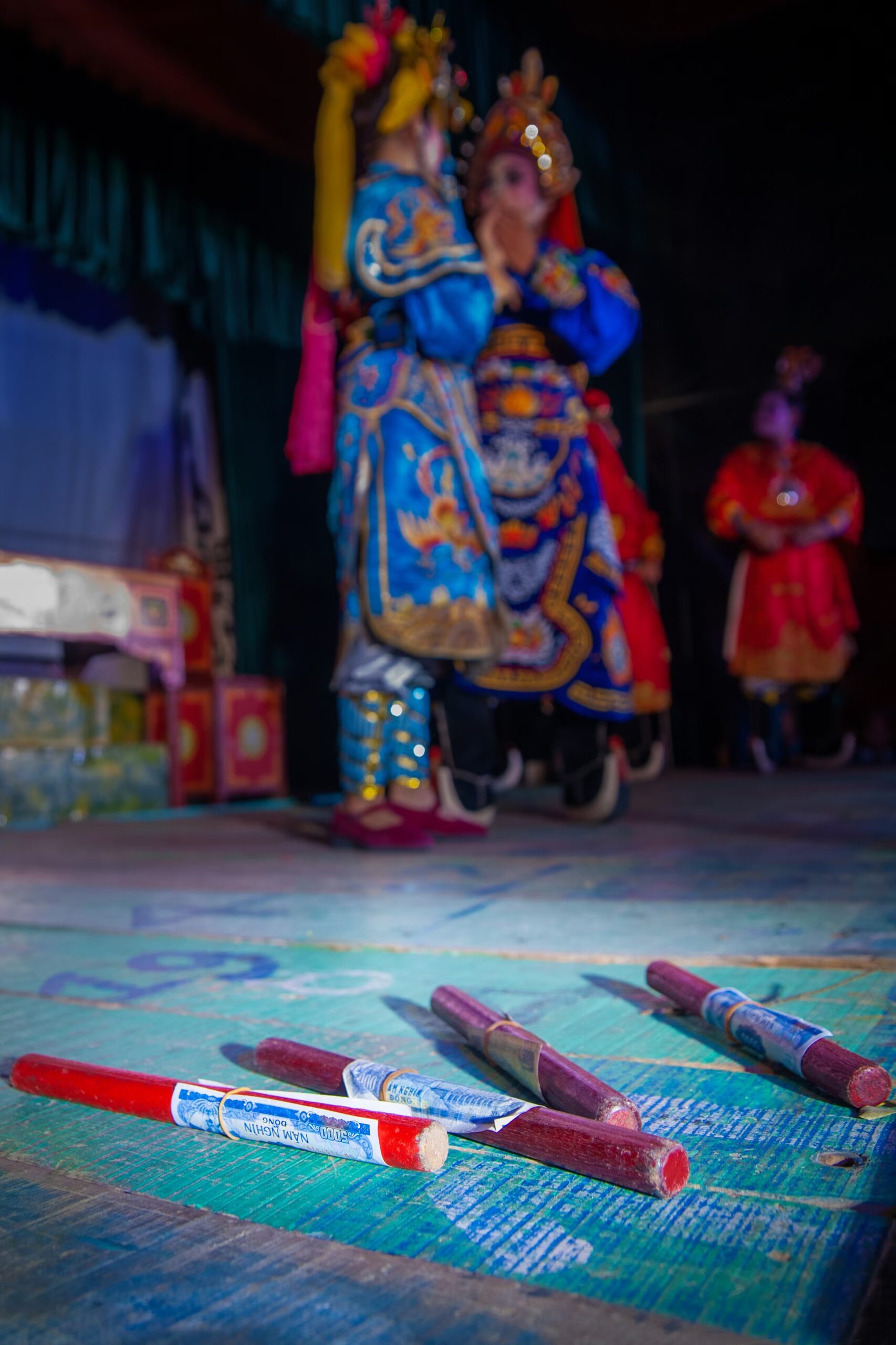 Tuong, or Hat Boi, is a traditional Vietnamese theatrical art form deeply rooted in national culture. Tuong is distinguished by its complex acting, magnificent costumes, and classical melodies. The plays often recreate historical stories, myths, and legends with dramatic storytelling and expressive performances. It is not only a form of entertainment but also an important part of preserving and promoting Vietnamese cultural heritage. In 2024, the "Happy Vietnam" photo and video contest continues to be organized by the Ministry of Information and Communications in collaboration with the Vietnam Association of Photographic Artists on the website.