
Record revenue
At the draw last December, FIFA President Gianni Infantino called the 2026 World Cup "the greatest event humanity has ever witnessed" .
Certainly, the first World Cup held in three different countries will also become the most profitable tournament in sporting history.
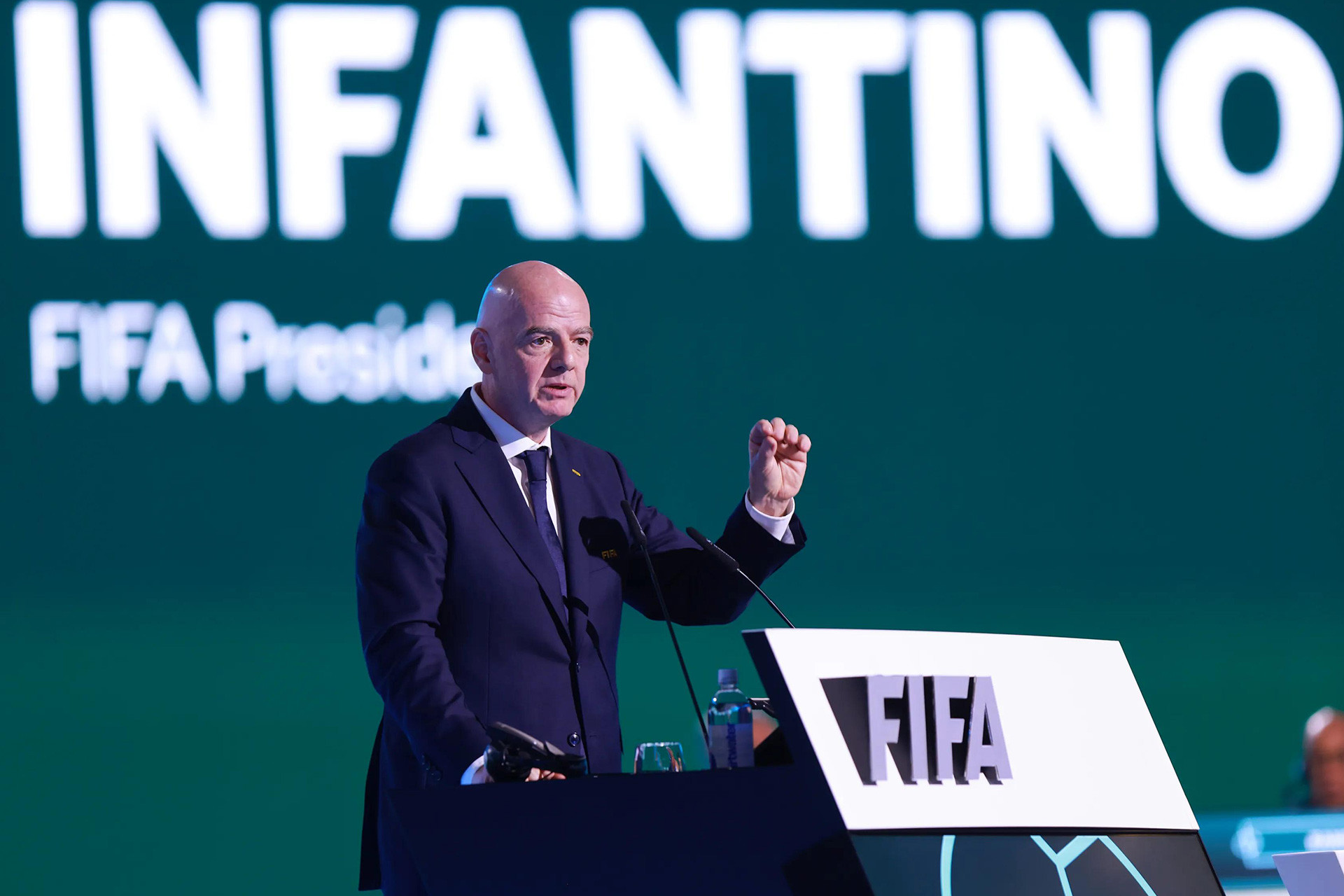
FIFA has just released its latest financial report, showing that the world's football governing body will earn $13 billion over a four-year period – culminating in the 2026 World Cup.
The biggest football festival on the planet alone brings in nearly $9 billion. For comparison: the most recent Olympic Games in Paris in 2024 generated $5.24 billion.
Financially, the World Cup was considered the least important of all, second only to the Olympics, until the 2010 tournament in South Africa. Back then, the first World Championships in Africa brought in $4.19 billion, compared to $3.23 billion (at current exchange rates) for the 2012 London Olympics.
The decision to bring the World Cup to the US (and North America in general) seems to have taken revenue to a whole new level.
The 2022 World Cup in Qatar saw an 18% increase compared to the 2018 World Cup in Russia – reaching a total of $7.5 billion. Now, FIFA's total revenue is projected to increase by a further 73% by the end of this summer.
World Cup and the money-making machines
Global television rights are FIFA's biggest source of revenue, with projected earnings increasing from the previous $3.4 billion in Qatar and $3.1 billion in Russia.
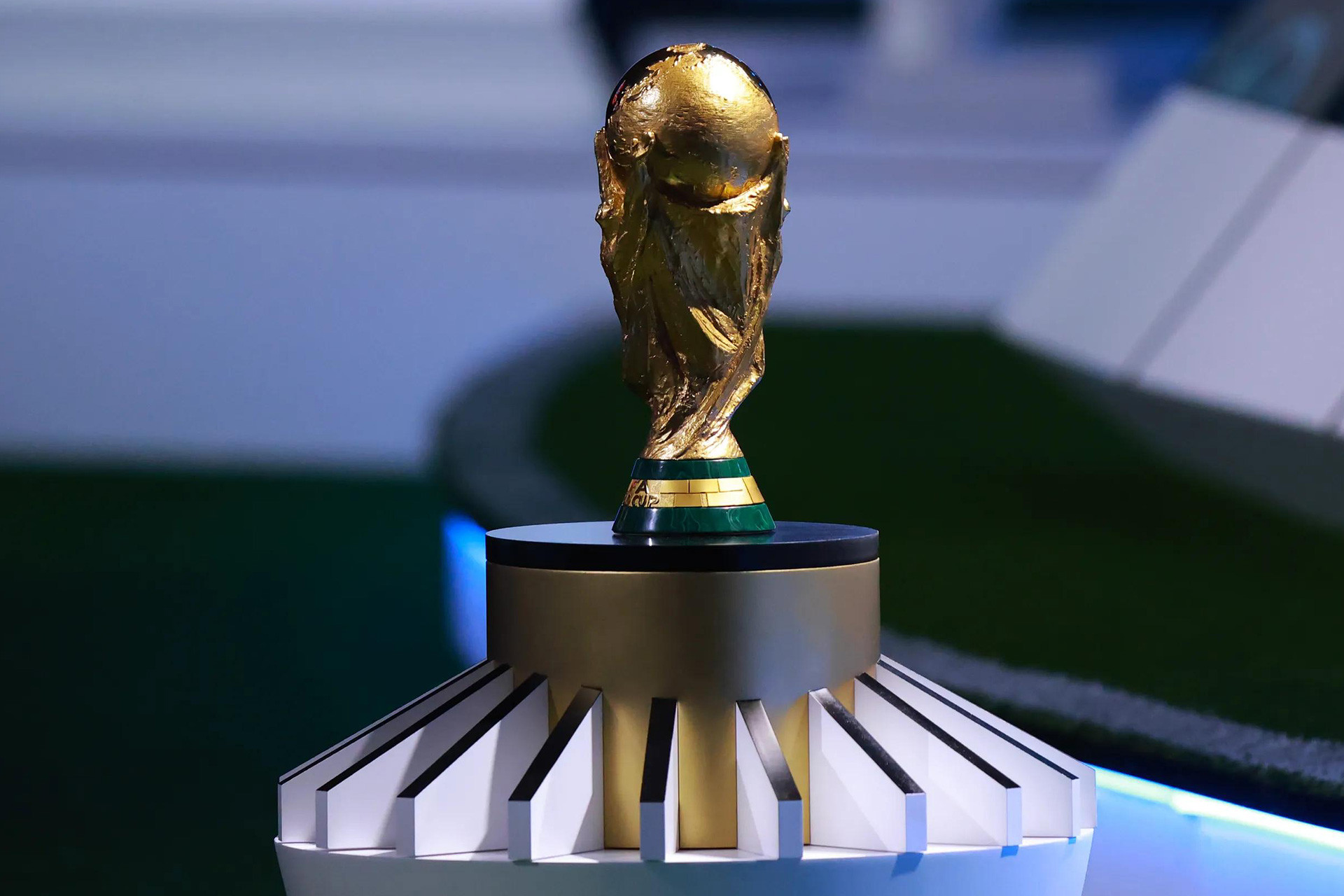
The decision to expand the World Cup from 32 to 48 teams clearly played a significant role, as the number of matches increased from 64 to 104 – meaning there was more content to sell to broadcasters.
At the same time, the game times are also more favorable for lucrative markets in North America and Europe compared to four years ago.
Beyond its scale and venues, FIFA also introduced significant innovations: for the first time in this cycle, it sold the television rights to the Women's World Cup as a standalone product.
In addition, FIFA also makes money from social media by selling the rights to stream the first 10 minutes of matches on TikTok and YouTube – aiming to attract younger audiences to television.
The second largest source of revenue is ticket sales and hospitality services, estimated at around $3 billion – a significant increase from the $950 million earned from the competition day in Qatar.
Once again, the increased number of matches and strong demand from the North American market were key factors, allowing FIFA to push ticket prices to unprecedented levels.
Due to the application of dynamic pricing, calculating the average ticket price becomes difficult.
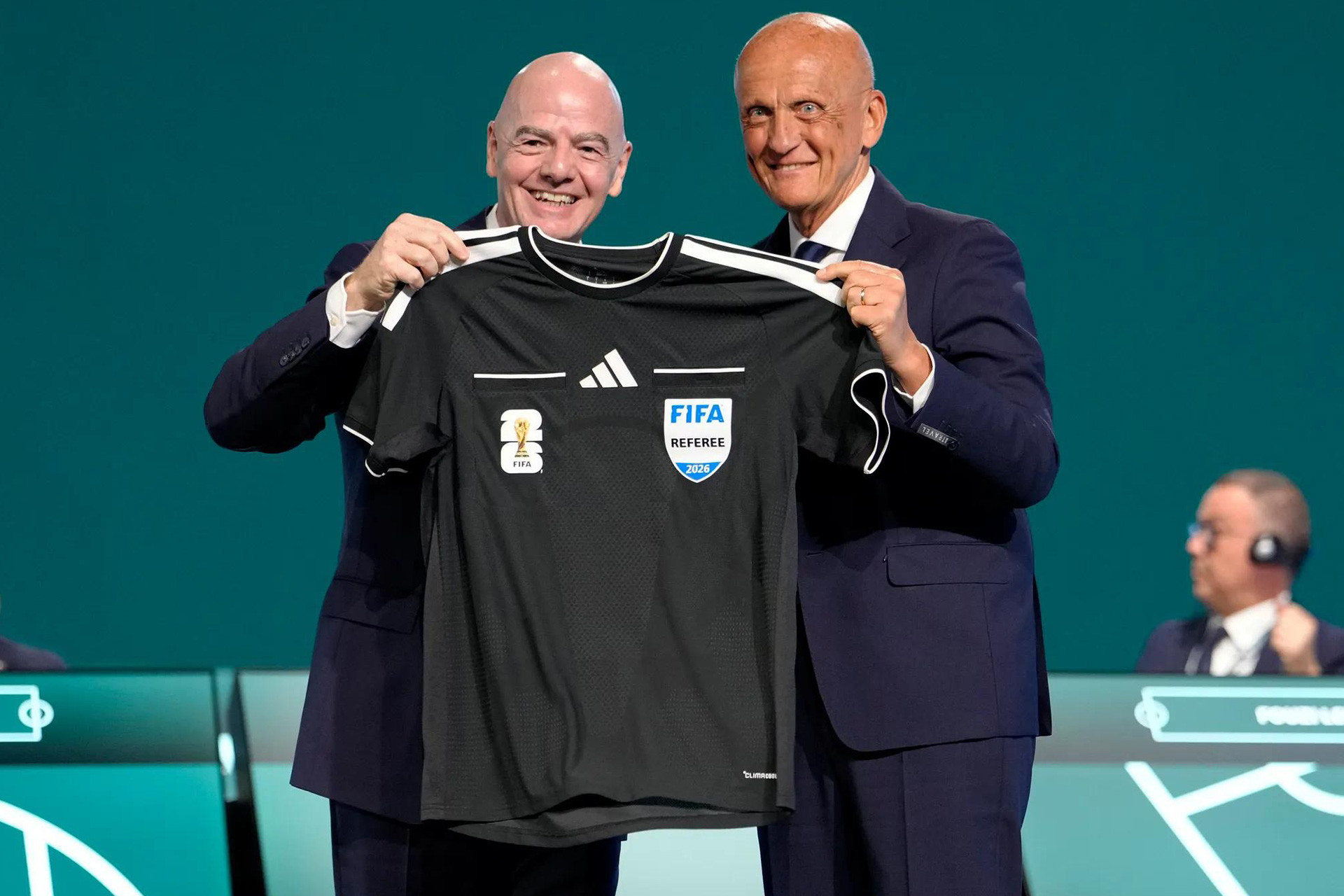
For the 2026 World Cup final at MetLife Stadium (New Jersey), on July 19th, the most expensive tickets reached $10,990, nearly seven times the highest price for the 2022 final in Qatar. FIFA stated that over 1,000 tickets were still available for $60.



Despite numerous complaints, demand far exceeds supply. Infantino stated that FIFA has received over 500 million ticket applications for 7 million seats, although tickets are still available for purchase.
FIFA also benefited from strong demand from commercial partners and sponsors, projected to bring in a record $2.7 billion, plus an additional $670 million from licensing deals.
In addition, FIFA has signed 16 global partnership agreements with brands such as Adidas, Aramco, and Coca-Cola, along with a series of regional and local sponsorships.
The 2026 World Cup sets a new milestone in football history and becomes the most lucrative tournament in sporting history.
Source: https://vietnamnet.vn/fifa-doanh-thu-13-ty-usd-may-in-tien-world-cup-2026-2511720.html