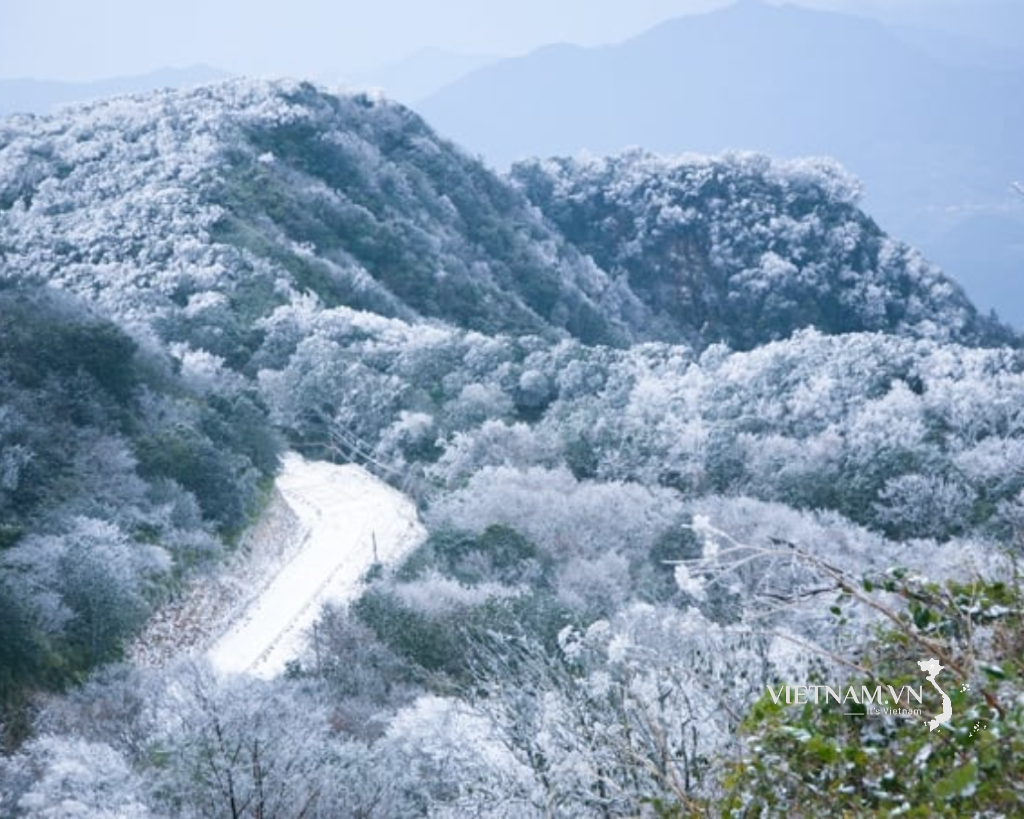
Cong Son commune (Cao Loc district, Lang Son province) is home to the Dao ethnic minority, specifically the Dao Lu Gang branch. Located in the Mau Son mountain range, it boasts a mild and pleasant climate, and the ethnic minority community preserves many unique cultural features, most notably the traditional Dao wedding ceremony.
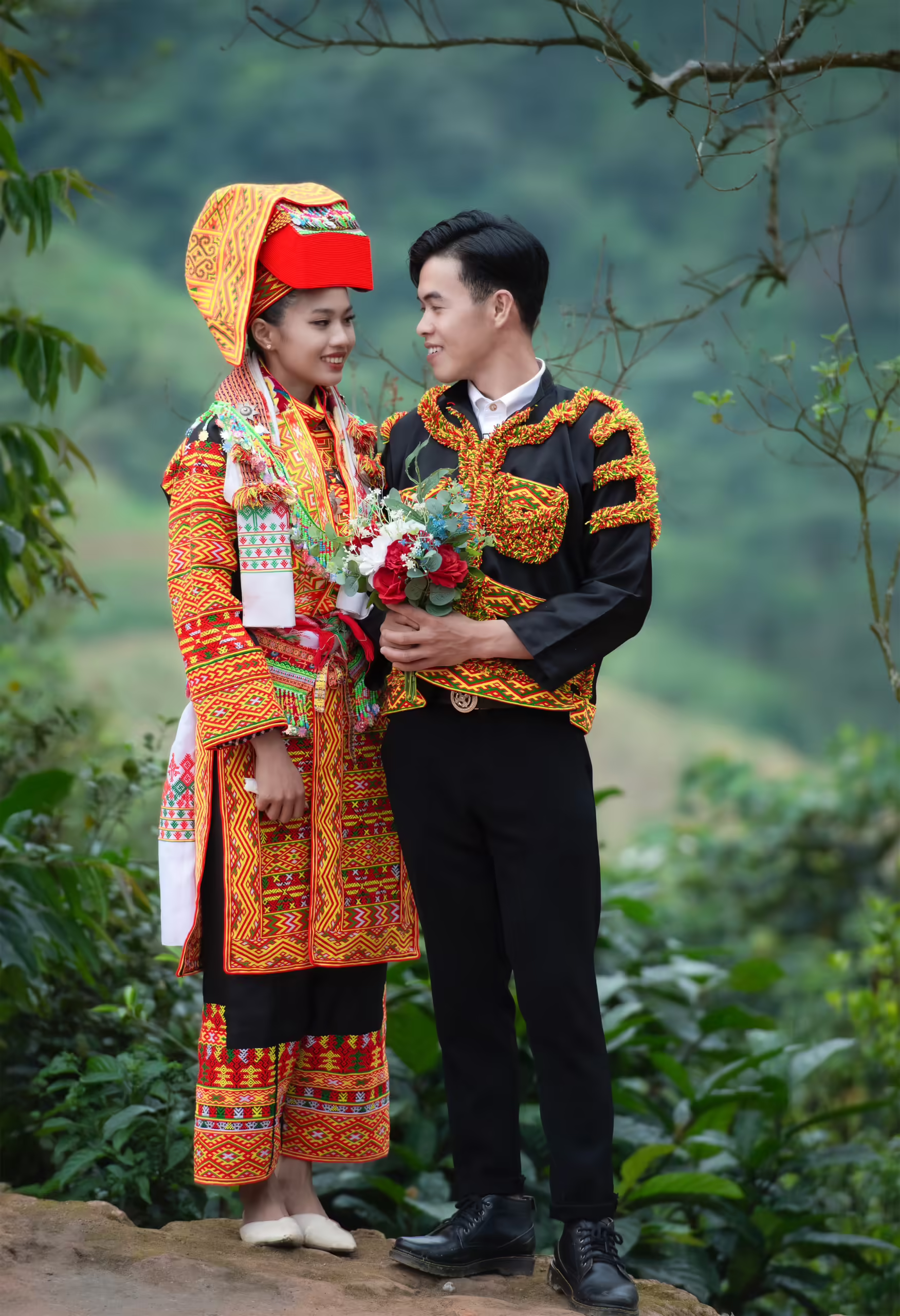
Vietnam.vn proudly presents the photo collection "Traditional Wedding of the Dao People of Mau Son" by author Nguyen Son Tung. The collection depicts the traditional wedding of bride Duong Thi Linh and groom Trieu Van Son. Both the bride and groom are from Cong Son commune, Mau Son district, Lang Son province. Mau Son encompasses nearly 80 mountain peaks and hills of varying sizes, stretching from Mau Son commune, Loc Binh district to Cong Son commune, Cao Loc district, Lang Son province. The Dao Lu Gang ethnic group in Mau Son preserves pure Dao culture, from their eating habits, living customs, and clothing to their worship practices and festivals, including traditional wedding ceremonies. The photo collection was submitted by the author to
the "Happy Vietnam" photo and video contest, organized by
the Ministry of Information and Communications .
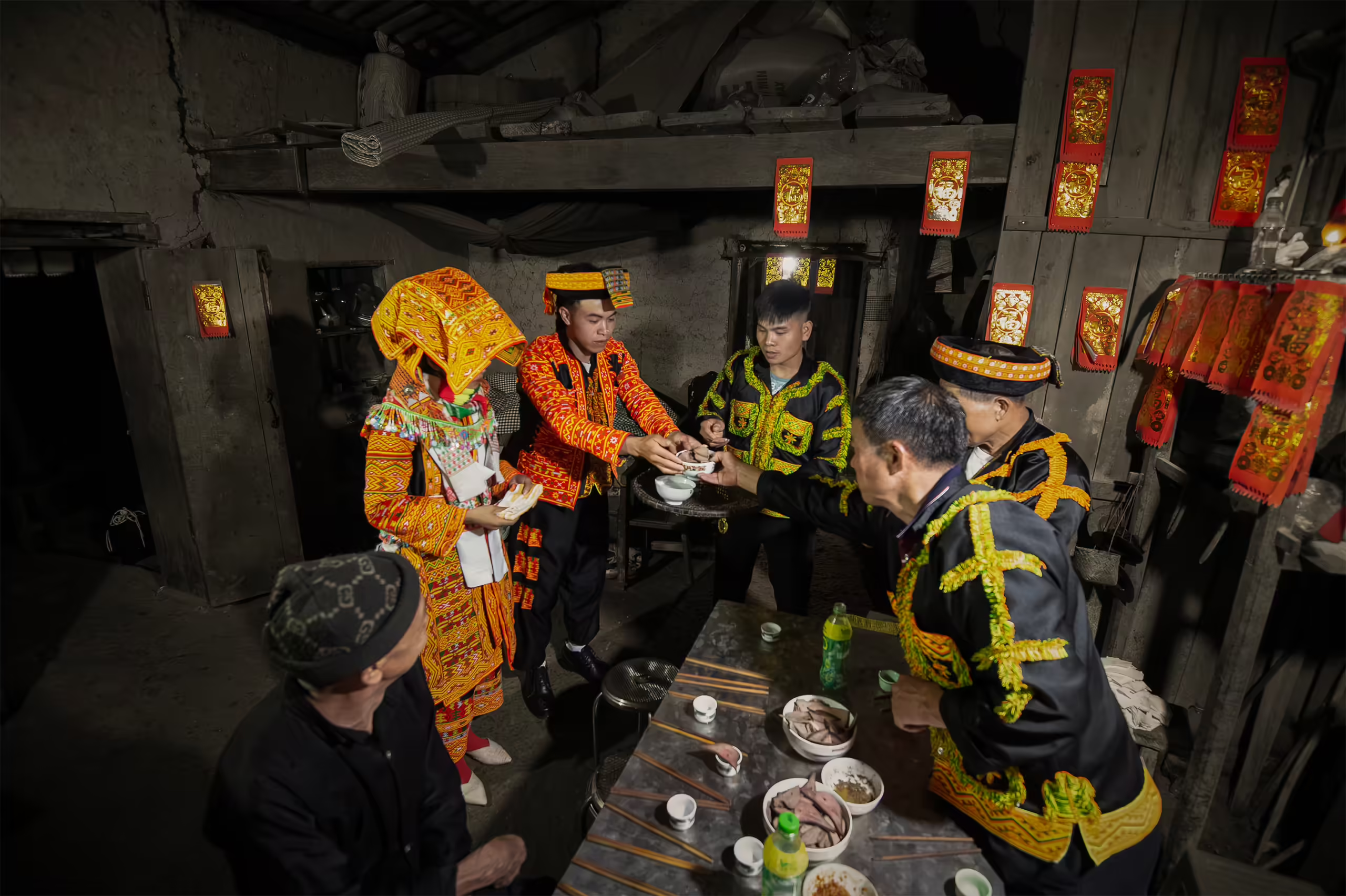
According to traditional customs, the Dao Lu Gang people in the Mau Son mountain region often hold wedding ceremonies.
At night. The people believe that all the best things begin before the sun rises. In many cases, the bride has to leave home at 1 or 2 in the morning and enter the groom's house while it is still dark.
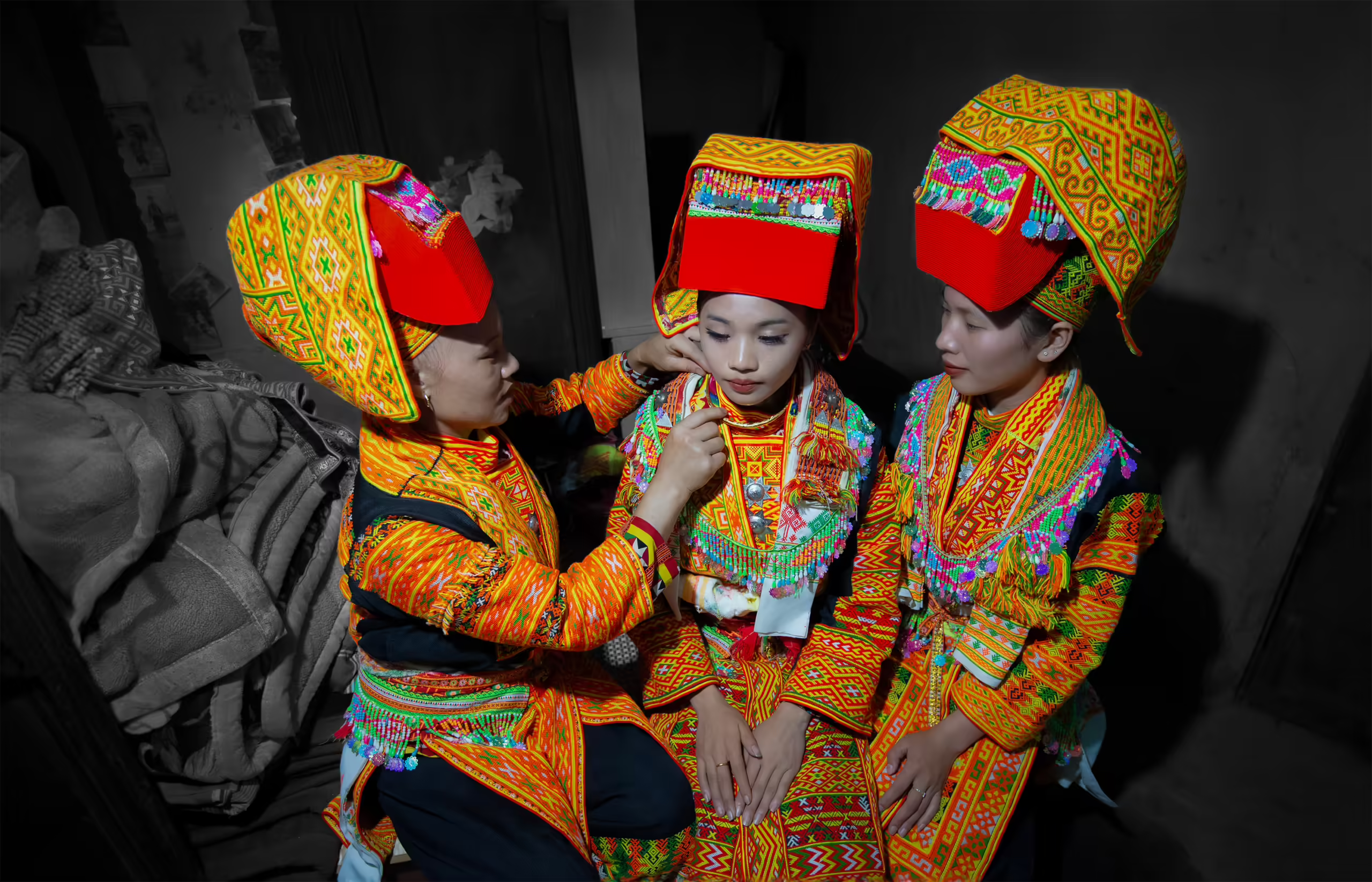
Besides the dowry, the bride prepares two outfits: one to wear when leaving her parents' home and another to change into before entering the groom's house. The bride's attire includes a veil, a multi-layered long dress, and four belts. All are embroidered with vibrant, elaborate colors... Each outfit of a Dao Lu Gang bride typically has 3 to 10 layers. Wealthier families may have even more layers in their bride's attire...
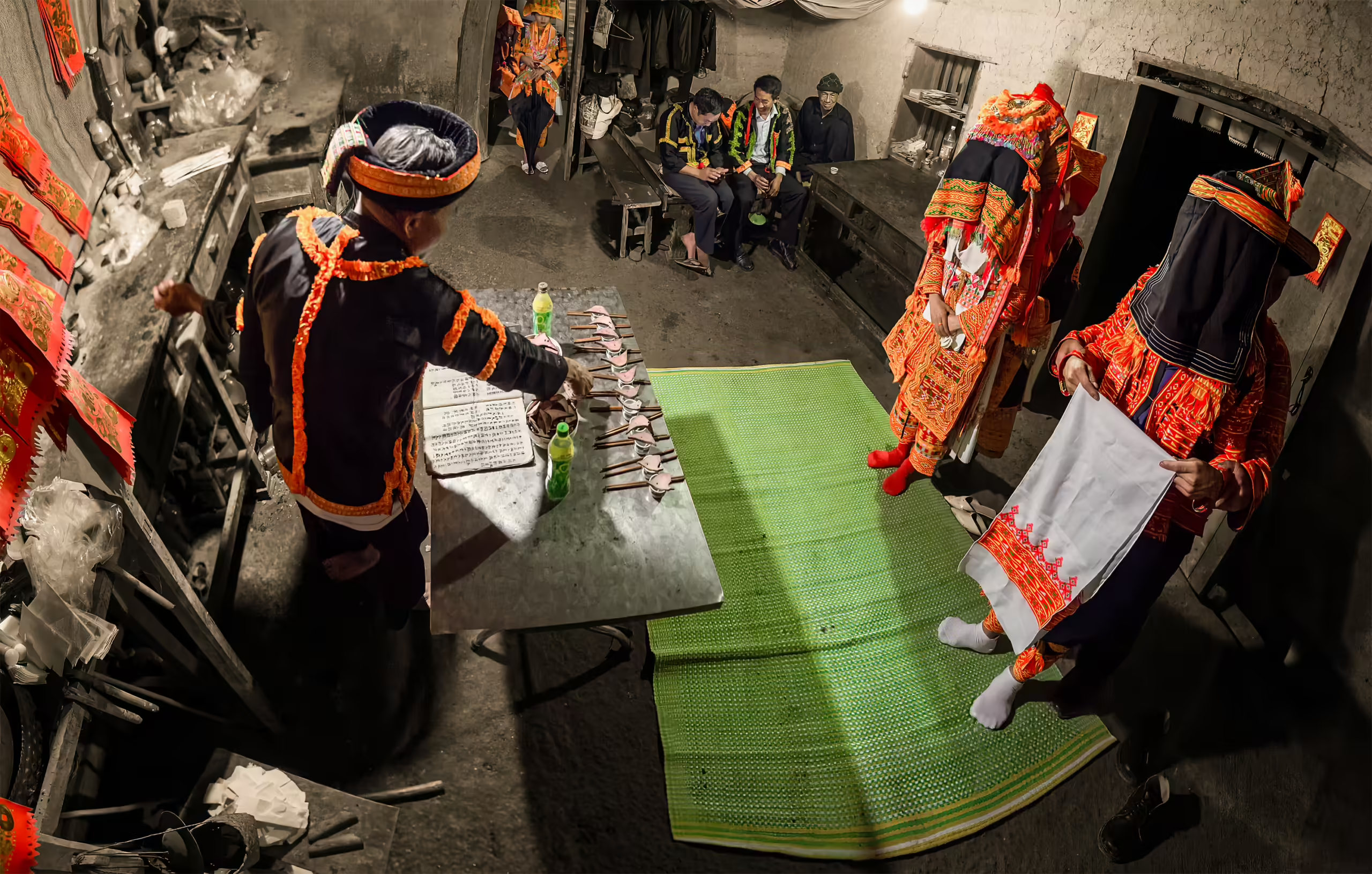
Before the bride leaves for her husband's home, the bride's family will hold a ceremony to inform their ancestors. After the ceremony, the bride will have a meal with her two bridesmaids at her own home. At an auspicious time, the wedding procession arrives at the groom's house. The bride's actions at this time depend on the bridesmaids; the bridesmaids in front and behind will hold umbrellas while the bride walks in the middle, covered with a veil. A bowl of water and a knife are placed in front of the groom's house. The shaman will recite a prayer to ward off evil spirits that may have followed the bride on her journey and to ask the ancestors for her official acceptance into the family. After the shaman's prayer, the bride must step over the bowl of water.
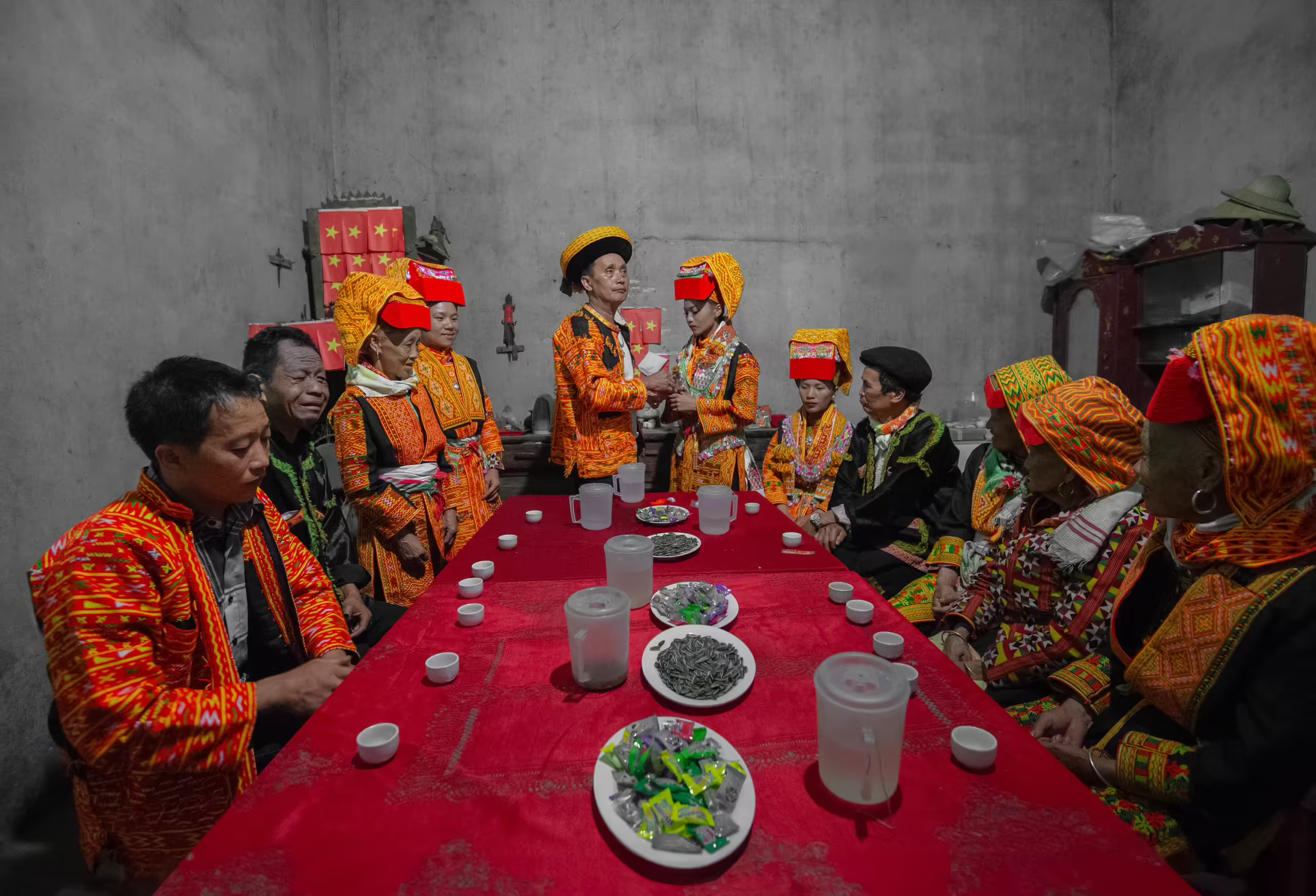
The wedding ceremony is the most elaborate part, featuring a drum and trumpet band and a large gathering of relatives from both sides. Relatives from the groom's family stand on either side, welcoming the bride's procession along with two musicians playing the pí lè flute until everyone has entered the house.
Next comes the wedding ceremony – the most important ritual of the wedding. The groom walks out to the ancestral altar where he arranges 12 pairs of chopsticks, 12 bowls, and 12 cups of wine.
After the ceremony, the groom's family brings the wine from the offering table to invite respected elders to "receive blessings." Each person is offered a cup of wine along with a piece of boiled pork liver. Everyone must drink it all to toast the happiness of the groom, bride, and their family.
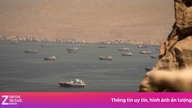
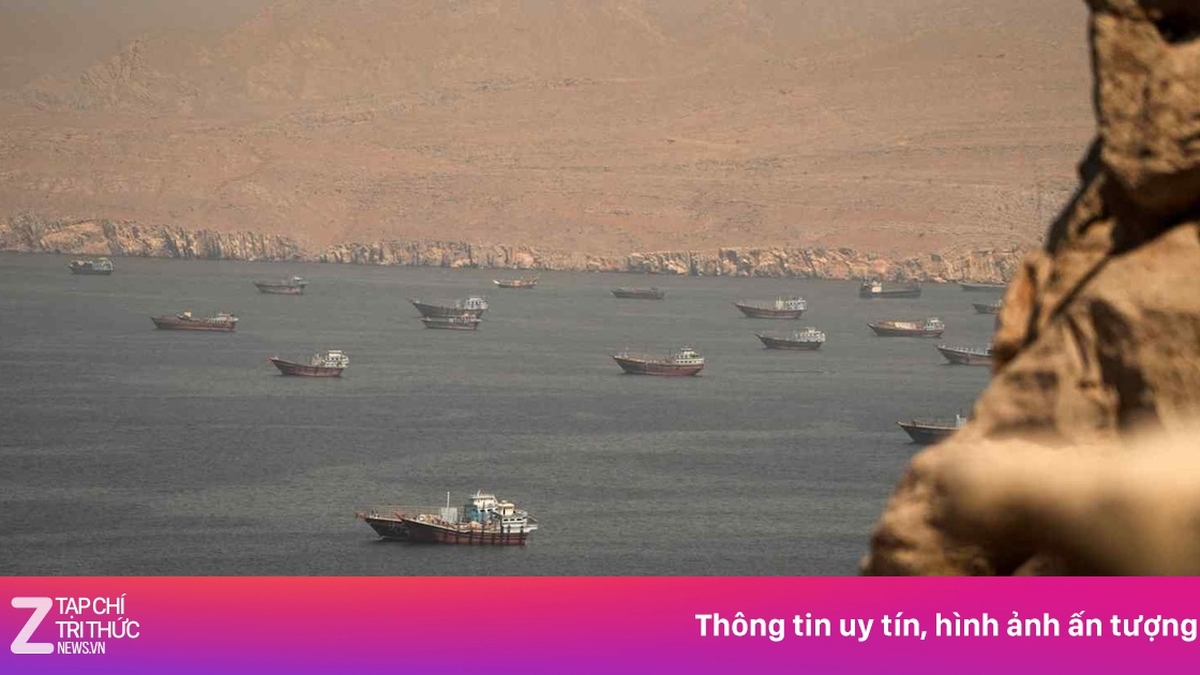
Iran has again blockaded the Strait of Hormuz.On June 19, Iran reimposed a blockade on the Strait of Hormuz, citing Israel's refusal to withdraw its forces from southern Lebanon and the continued presence of US troops in the region. After the wedding ceremony concludes, the groom's family prepares a lavish and elaborate wedding feast to entertain the guests. Following this, the musician plays a celebratory tune for the bride, which continues throughout the ceremony.
In 2024,
the "Happy Vietnam" photo and video contest continued to be organized by the Ministry of Information and Communications in collaboration with the Vietnam Association of Photographic Artists on the website.
https://happy.vietnam.vn is open to all Vietnamese citizens and foreigners aged 15 and above. The competition aims to honor individuals and groups with positive informational products that make practical contributions to promoting a beautiful image of Vietnam to the world. Through this, it helps people at home, overseas Vietnamese, and international friends access authentic images of Vietnam, its people, its achievements in ensuring human rights, and working towards a happy Vietnam. Each competition category (photos and videos) has the following prizes and prize values: – 1 Gold Medal: 70,000,000 VND – 2 Silver Medals: 20,000,000 VND – 3 Bronze Medals: 10,000,000 VND – 10 Consolation Prizes: 5,000,000 VND – 1 Most Voted entry: 5,000,000 VND. Winning authors will be invited by the Organizing Committee to attend the Award Ceremony and Certificate Presentation, broadcast live on Vietnam Television.
Vietnam.vn