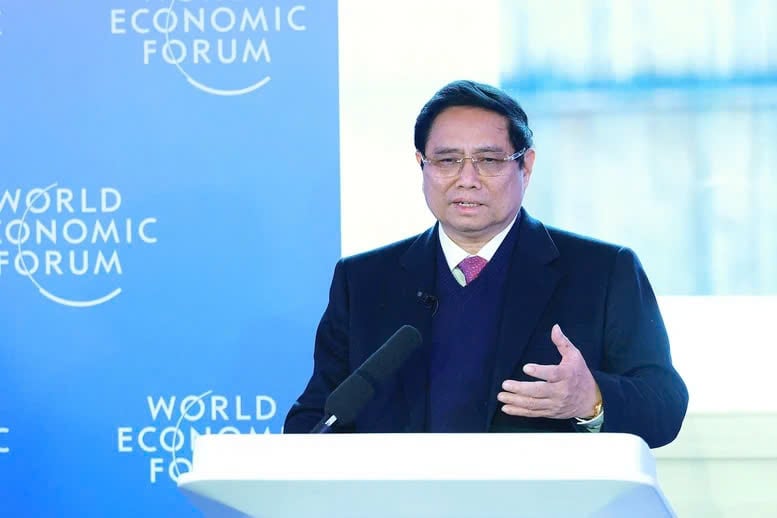
It is crucial that we master technology, mastering Artificial Intelligence (AI) to the best of our ability in order to achieve development goals, rather than becoming dependent. This is the approach that requires investment and effort.
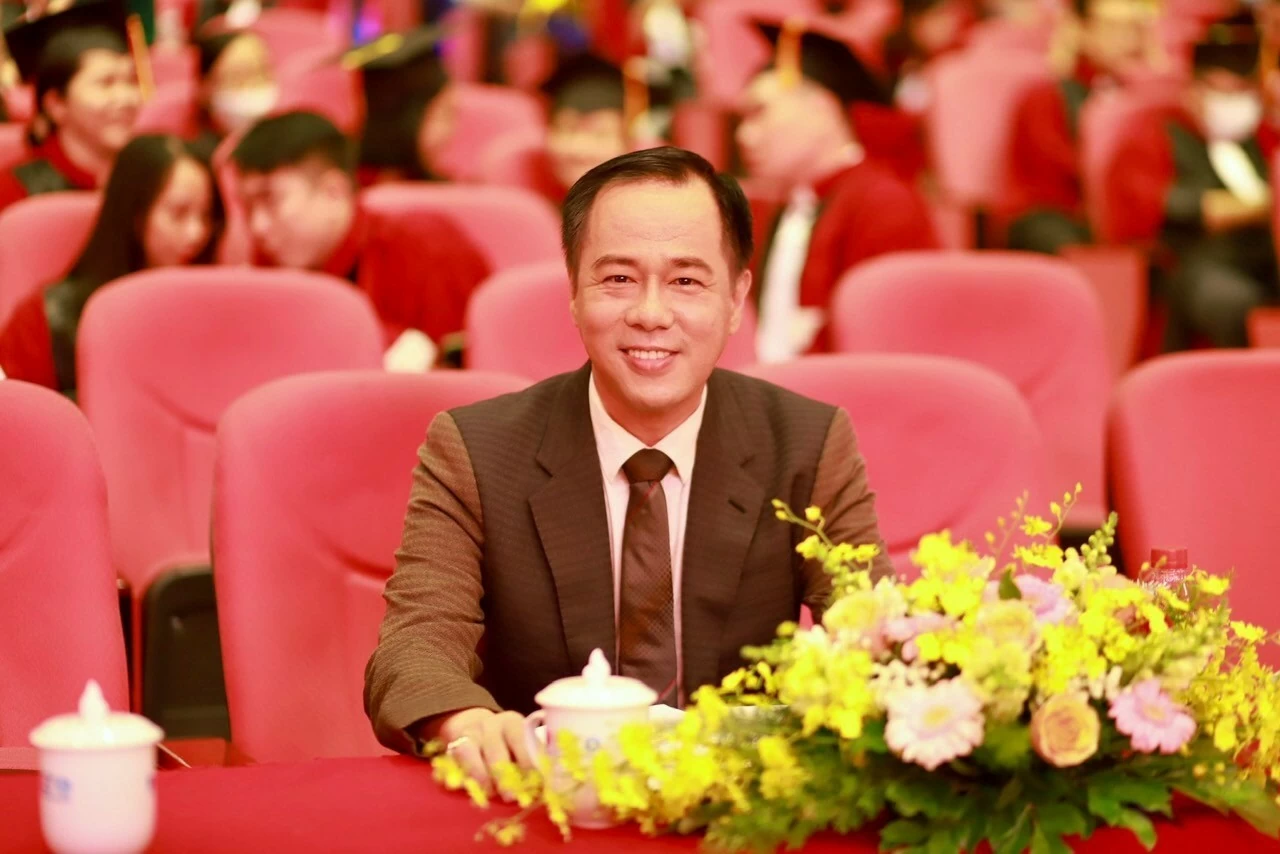 |
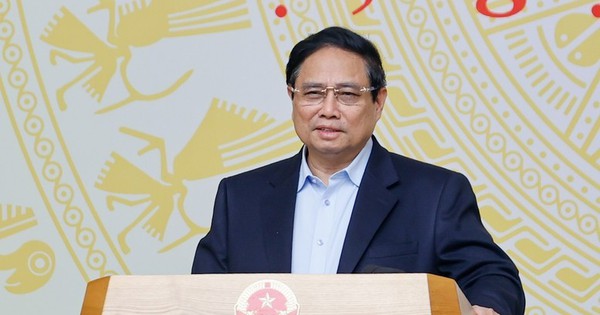
| Professor Huynh Van Son believes that young people should have skills in complying with copyright law and academic integrity when using Artificial Intelligence (AI). (Photo: Provided by the author) |
That is the view of Professor Dr. Huynh Van Son, Rector of Ho Chi Minh City University of Education, in an interview with the World & Vietnam Newspaper regarding the impact of Artificial Intelligence (AI) on teaching and learning.
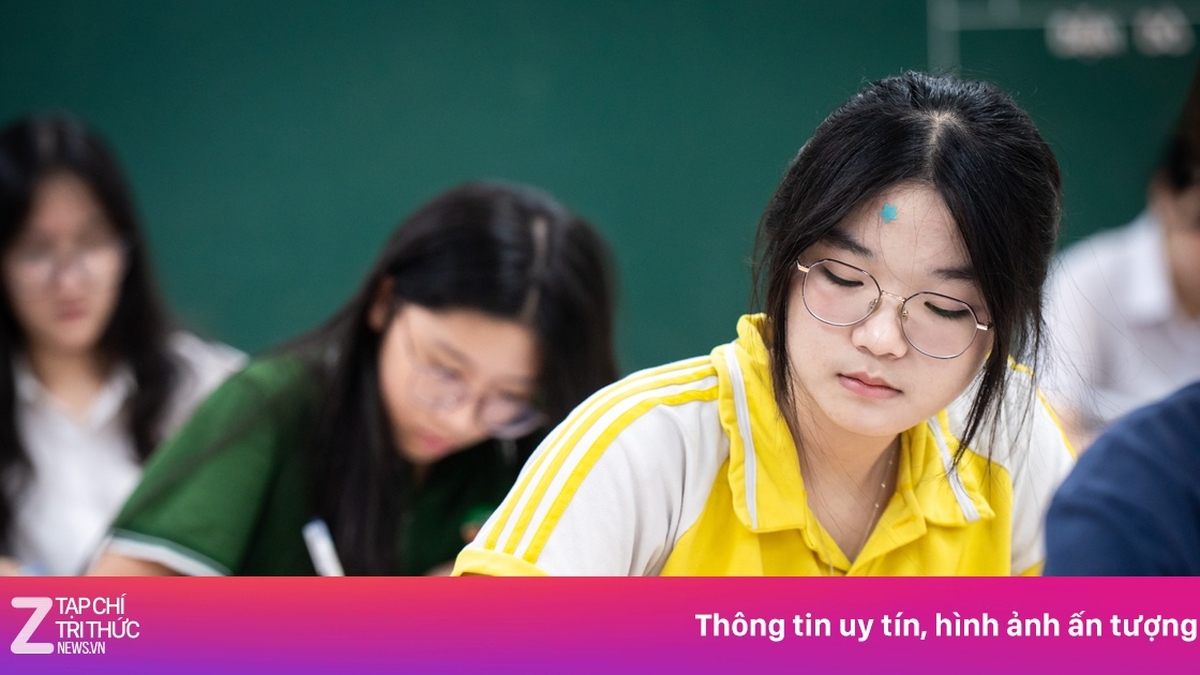
Professor Huynh Van Son emphasized that the influence of AI is very rapid and widespread, especially among students. They are attracted by the convenience that AI offers; specifically, they can ask quick questions and the AI will answer quickly. Therefore, it is clear that we cannot forbid students from using AI; instead, we must encourage them to use it correctly and safely, avoiding excessive dependence on AI.
AI is having an increasingly powerful impact on all industries and fields, including education . From your perspective, what are the biggest challenges Vietnam faces when applying AI to education? What solutions do we need to overcome these challenges?
The application of AI in education brings benefits but also creates many challenges. The education sector also recognizes the risks associated with copyright infringement, personal data leaks, and plagiarism when using AI, especially generative AI with its ability to generate text, images, or other media based on suggestions.
With AI developing rapidly, the question of how to create and update legal documents to keep pace with AI growth is a major one. Like other countries, Vietnam is still searching for a satisfactory solution to this problem.
In July 2023, the U.S. Department of Education and the Office of Educational Technology also published guidance on Artificial Intelligence and the Future of Teaching and Learning, offering both practical and policy-based recommendations. Accordingly, educational institutions should not view AI as a replacement for teachers and instructors, but rather as a complement and a readily available tool. The application of AI in education must be implemented based on a thorough understanding of the technology's characteristics, as well as the opportunities, limitations, and ethical issues involved.
In July 2023, Japan announced new guidelines on the use of AI in high schools and universities, aiming to promote a safe and effective environment for AI use in education. These guidelines, issued by the Ministry of Education, will continue to be updated flexibly based on experience and practices. Accordingly, learners must fully understand the characteristics of AI before using it; and appropriating AI-generated reports, essays, or other texts as their own is considered inappropriate behavior.
In April 2023, the Russell Group – an association of 24 public research universities in the UK – also published a set of principles to help universities “capitalize on the opportunities that technological breakthroughs offer for teaching and learning.” The first principle focuses on enhancing students' and faculty's understanding of AI. According to the Russell Group, it is crucial that all students and faculty understand the opportunities, limitations, and ethical issues associated with the use of AI tools.
These issues include considerations of privacy, data, and intellectual property; the potential for bias when AI replicates human biases and stereotypes; inaccuracy and misinterpretation, as AI may rely on inaccurate, irrelevant, and outdated information; a lack of ethical guidelines in AI tools; plagiarism when AI copies information developed by others; and exploitation in the processes of building AI tools.
The second principle is to equip faculty with the skills to support students in using AI-generated tools effectively and appropriately in their learning process. The principles note that the use of AI tools may vary across academic disciplines, therefore universities should encourage departments to adopt campus-wide policies within their own contexts.
The third principle is the ethical and equitable use of AI. Universities will adjust their teaching and assessment to include the ethical use of AI and support equitable access to AI. In the future, there may be new AI technologies and tools that are behind restrictions and fee walls. Universities must ensure that students and faculty have equitable access to the AI tools and resources they need for teaching and learning.
Fourth, universities need to maintain academic prudence and integrity. In this regard, the guidelines help students and faculty understand situations where AI is inappropriate and support them in using AI tools correctly. The guidelines note that academic integrity and ethical AI use can also be promoted by creating an environment where students feel comfortable asking questions about the use of AI and its challenges. Fifth, universities should collaborate and share best practices as AI technologies and their applications in education develop.
Besides challenges and legal regulations, Vietnam is also facing difficulties related to computer network/Internet infrastructure and human resources. To overcome these issues, it is necessary to have a direction, strategy, and plan to strengthen infrastructure and develop high-quality human resources to maximize the benefits of AI. The digital transformation campaign, which has been initiated by the State, needs to be implemented more vigorously and decisively.
What challenges does the application of AI in education raise, and how can we ensure that AI is used fairly and responsibly?
Using AI in education offers many advantages, supporting teaching and school management if properly utilized. However, the downsides of overusing AI include fostering laziness and dependence, and diminishing creative thinking and problem-solving skills. This can lead to intellectual risks for future generations of the country.
To ensure that AI is used fairly and responsibly, it is necessary to promptly research and issue guidelines on the safe and effective use of these tools. Along with this, it is crucial to strengthen public awareness campaigns to educate the entire population and the education sector on maintaining caution when using AI and upholding academic integrity.
 |
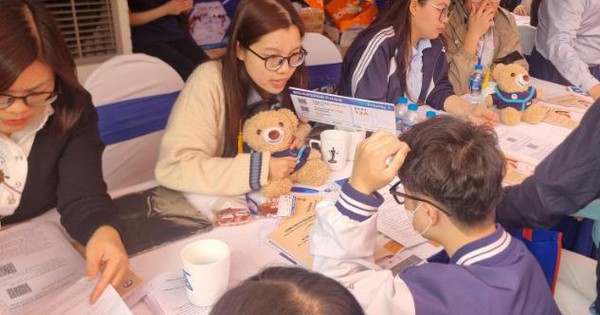
| Students should be encouraged to use AI correctly, safely, and in a civilized and effective manner, avoiding excessive dependence on it. (Source: Internet) |
Do you have any advice for policymakers and educators on promoting the application of AI in education in Vietnam?
To promote the application of AI in education in Vietnam, clear directions, goals, and strategies are needed from policymakers and educators, along with a roadmap tailored to the country's specific characteristics.
Unlike countries that have widely adopted AI in online activities and personalized learning on e-learning systems, in Vietnam, traditional in-person learning in schools and classrooms, with direct interaction between teachers and students, still accounts for a very high percentage. While online learning time is gradually increasing, it is currently only applied at the university level and above, accounting for 30% - 50% of the total time. Currently, high school students still primarily learn in person; therefore, it is essential to leverage and apply AI to in-person teaching and learning activities, enhancing the use of tools to support teaching and learning.
Subsequently, training should be intensified to further equip teachers and students with the skills to use AI to organize other activities such as assisting with lesson preparation, compiling teaching materials, implementing projects, and conducting research to discover knowledge. In addition, school management training is needed to enhance the skills of school administrators in leveraging AI in educational management, professional development, monitoring teaching quality, and managing personnel, finances, and facilities.
One question that arises is, are many students nowadays becoming overly dependent on AI?
The influence of AI is rapid and far-reaching, especially among students. They are attracted by the convenience that AI offers, specifically, they can ask quick questions and AI will answer quickly. Therefore, it's clear that we cannot forbid students from using AI; instead, we must encourage them to use it correctly and safely, avoiding excessive dependence on AI.



Compared to the pre-AI era, when students encountered difficult essays or math problems, they would seek help from books, teachers, parents, and friends. Now, they can solve the problem simply with AI. However, they may be limited in their ability to evaluate whether the content provided by AI is correct or incorrect, accurate or inaccurate, due to their lack of skill and experience. Therefore, there is a need to guide students in developing the necessary skills to use AI effectively.
First, develop the skill of matching across multiple AI tools. Use popular, reliable AI tools, and use at least three tools at a time to compare the results of those three tools. For example, ChatGPT, Gemini, and Copilot match and select matching ideas; this will be safer and more effective.
Before tackling any problem, practice asking yourself first, then ask the AI. This means you should cultivate the habit of brainstorming and independently finding answers to problems using your own reasoning. Then, if you can solve the problem, use the AI to verify it again, comparing and contrasting the solutions to enhance carefulness and develop critical thinking. If you can't solve it, use the AI to assist in searching for knowledge, remembering to use at least three AI tools for comparison. Finally, if you're still not completely confident in the answer, seek further assistance from your teachers.
In addition, young people should have skills in complying with copyright law and academic integrity. When working with AI, they should request that the AI provide information about the copyright/source of the information. Then, they should verify the accuracy and copyright of that information.
At the same time, students should adhere to their school's guidelines regarding the appropriate level of AI use. For example, in studying, preparing lessons, solving assignments, and writing essays. By following these guidelines, students can avoid damaging their reputation and honor. Excessive use of AI can lead to many undesirable consequences.
It is important to emphasize that we should strive to master technology and AI to the best of our ability in order to achieve development goals, rather than becoming dependent on others. This is the approach that requires investment and effort.
Source: https://baoquocte.vn/gs-ts-huynh-van-son-cac-ban-tre-nen-tuan-thu-luat-ban-quyen-liem-chinh-hoc-thuat-khi-su-dung-tri-tue-nhan-tao-ai-281757.html