
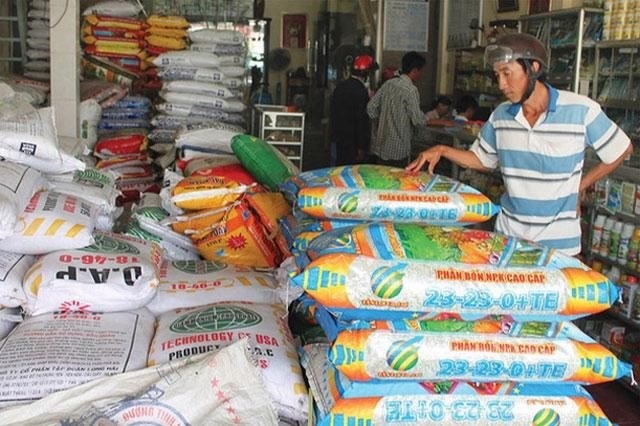
Vietnam uses three times more fertilizer than the world average.
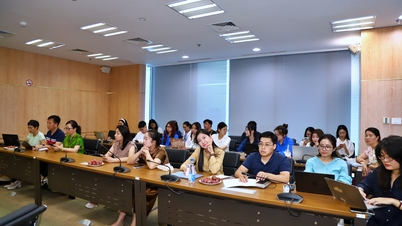
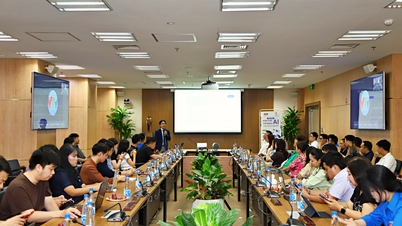
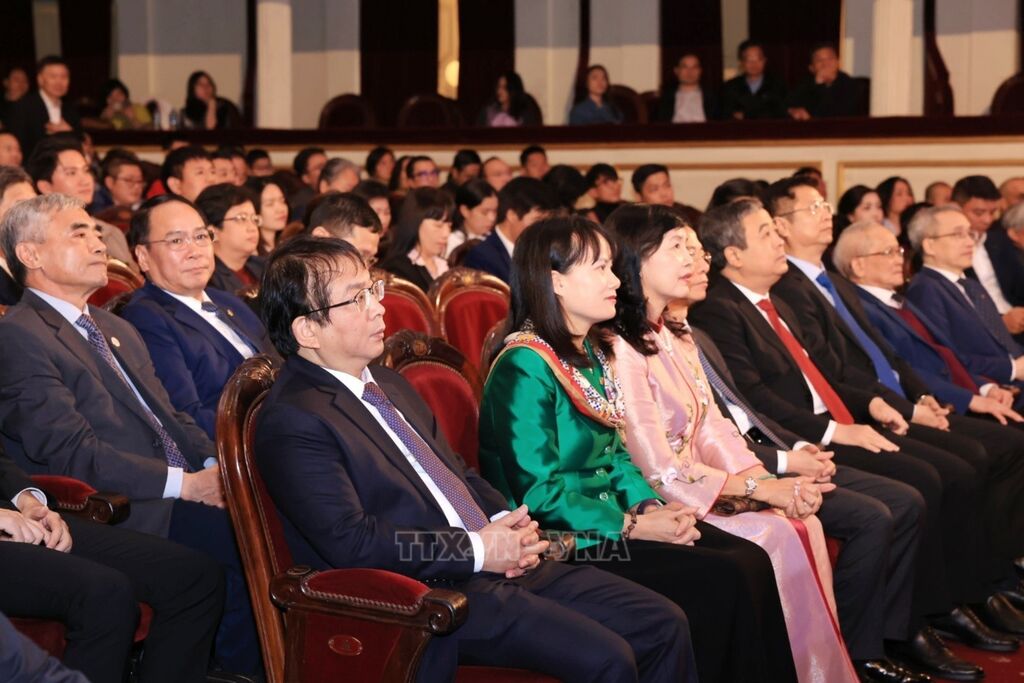
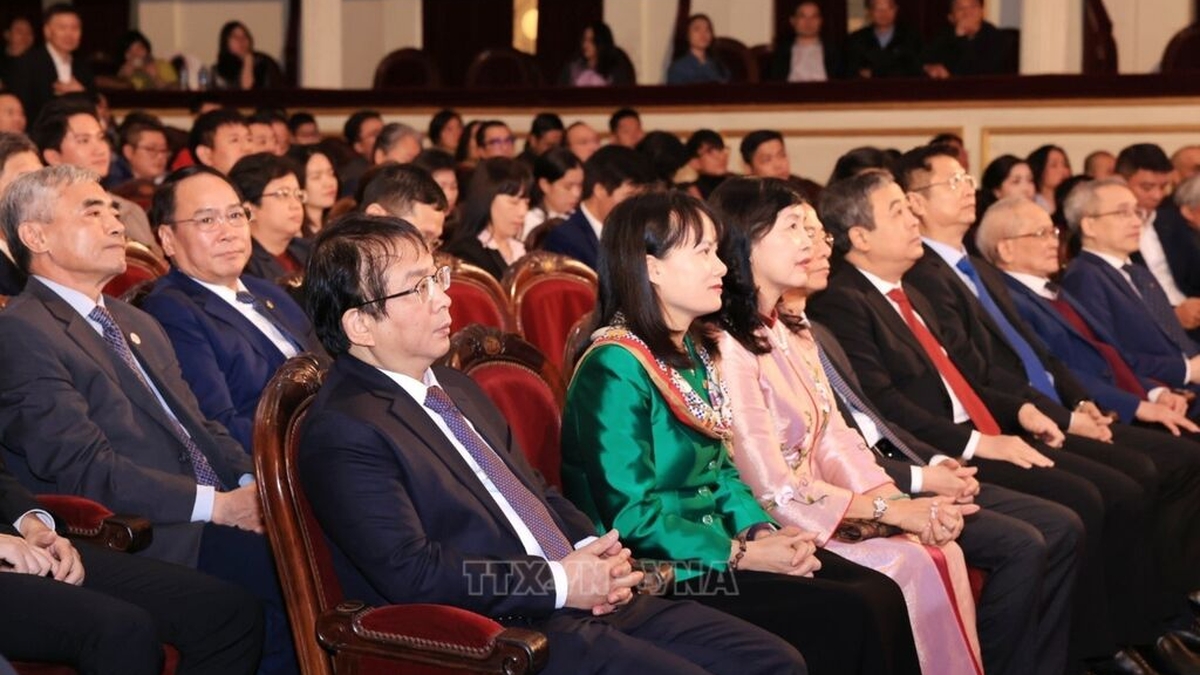
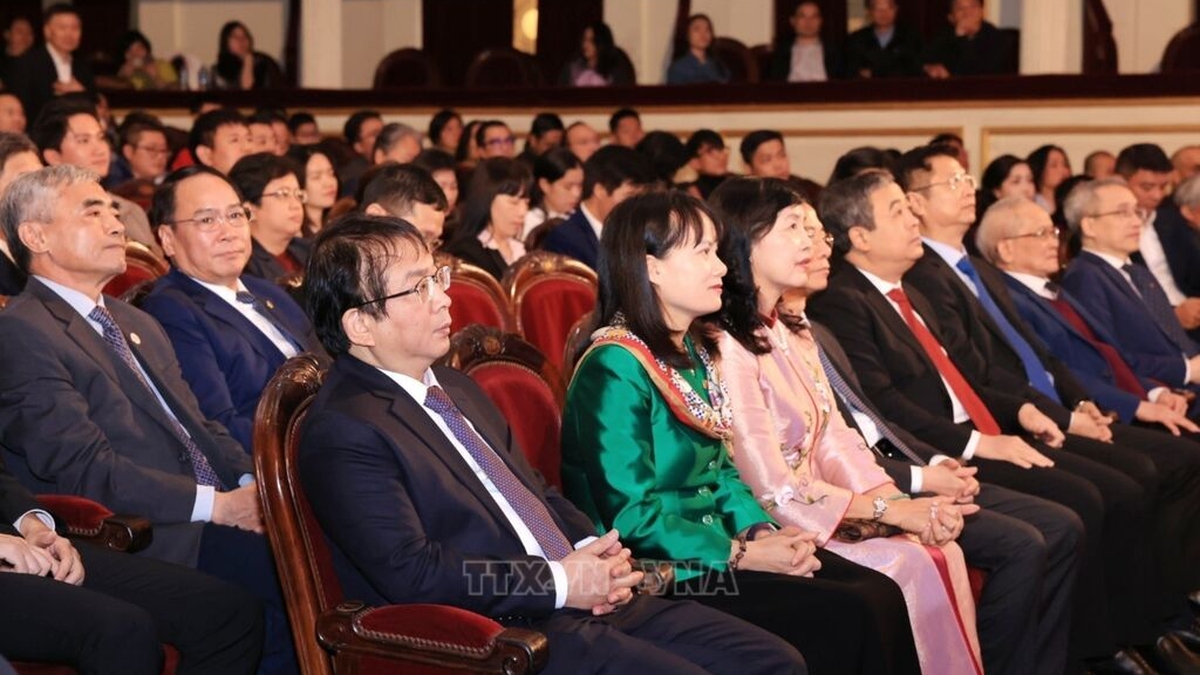
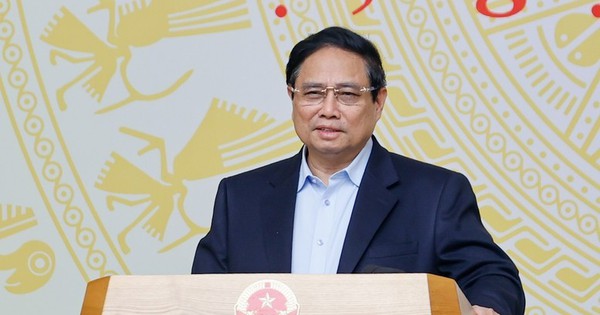
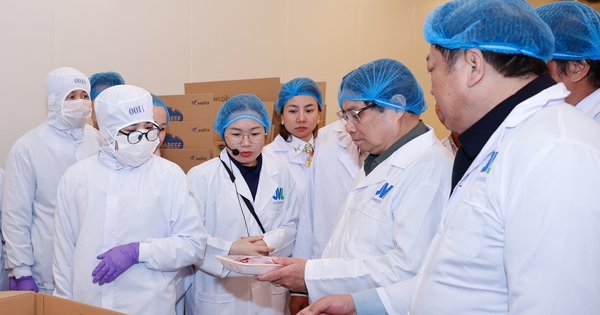
On the morning of August 2, 2024, speaking at the 6th Congress (2024-2029 term) of the Vietnam Fertilizer Association, Deputy Minister of Agriculture and Rural Development Hoang Trung frankly shared: Over the years, the fertilizer industry, through both production and import, has supplied the country's agriculture with 10-10.5 million tons of various fertilizers and has made significant progress in self-sufficiency in the production of urea fertilizer, phosphorus-containing fertilizers, NPK multi-nutrient fertilizers, etc., and is moving towards exporting many types of fertilizers.
However, Vietnam is using fertilizers at much higher rates than many other countries, and three times the world average.
“The Ministry of Agriculture and Rural Development has always advised farmers to follow the five correct principles when using fertilizers, including applying the right type of fertilizer; applying fertilizer according to the plant's physiological needs; applying fertilizer according to its ecological needs; applying fertilizer at the right time and according to weather conditions; and applying fertilizer using the right method. Most recently, the Ministry of Agriculture and Rural Development has launched the project “Sustainable Development of 1 Million Hectares of High-Quality, Low-Emission Rice Cultivation Associated with Green Growth,” which aims to reduce the amount of rice seeds sown to below 70 kg/ha, reduce the amount of chemical fertilizers and chemically derived pesticides by 30%, and reduce irrigation water by 20% compared to traditional farming,” said Deputy Minister Hoang Trung.
Besides domestically produced fertilizers, Vietnam also imports a significant amount of fertilizer from abroad. In the first six months of 2024, Vietnam imported over 2.58 million tons of fertilizer, worth $838.34 million. The largest source of imports was China: over 1.03 million tons, valued at nearly $295.98 million, accounting for 40% of the total volume and 35.3% of the total value of fertilizer imports nationwide.
Next, imports from Russia totaled 362,326 tons of fertilizer, valued at $164.11 million.
Ranked third is the Southeast Asian market, with 309,775 tons, valued at $95.12 million.
Striving to become a country with a high rate of organic fertilizer use.
According to FAO assessments, fertilizers play a crucial role, contributing 30-60% of the value of agricultural inputs and increasing crop yields by 40-50%.
Therefore, the Ministry of Agriculture and Rural Development has identified the production and use of organic fertilizers as a long-term solution based on the application of modern scientific and technological advancements combined with traditional experience, effectively exploiting the potential and advantages of readily available domestic organic raw materials to partially replace inorganic fertilizers, reduce dependence on imported fertilizers, and serve sustainable agricultural development.
In order to build a sustainable, responsible, circular, and green-growth agricultural sector that reduces greenhouse gas emissions, the Ministry of Agriculture and Rural Development has approved the Project on the Development of Organic Fertilizer Production and Use until 2030, with a vision to 2050, aiming to increase the rate of organic fertilizer use to at least 30% by 2030.
The vision for 2050 is for Vietnam to strive to become a country with a high rate of organic fertilizer use in the region, with 50% of cultivated land using organic fertilizers; 80% of provinces and cities to develop models for using organic fertilizers linked to the value chain of key products and local specialties with competitive advantages; and 100% of available raw materials from agriculture, livestock, aquaculture, household waste, etc., to be used as organic fertilizers in both household and industrial production.
Currently, the Ministry of Agriculture and Rural Development is collaborating with the US Department of Agriculture to implement the "Four Rights" project in rice nutrient management, which includes requiring the use of the right type, the right ratio, at the right time, and in the right place.
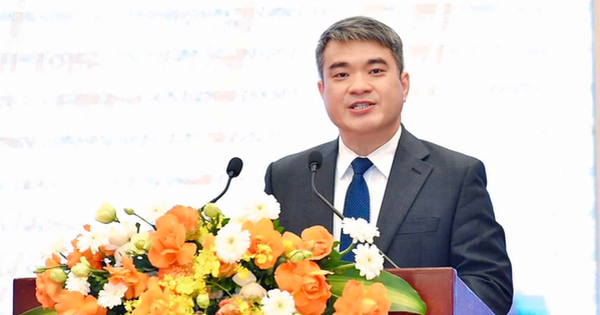
On the morning of August 2, 2024, the Congress of the Vietnam Fertilizer Association for the 2024-2029 term elected Mr. Phung Ha as Chairman; Mr. Nguyen Tri Ngoc as Vice Chairman and General Secretary; the Association also elected seven other Vice Chairmen, including: Mr. Nguyen Tien Dung, Mr. Huynh Tan Dat, Mr. Le Quoc Phong, Mr. Nguyen Hong Phong, Mr. Van Tien Thanh, Mr. Nguyen Huu Tu, and Mr. Nguyen Thanh Vinh.
The Congress discussed, voted on, and approved many important issues; and issued a Resolution outlining the key priorities for the 2024-2029 term.
Source: https://laodong.vn/kinh-doanh/viet-nam-su-dung-phan-bon-gap-3-lan-trung-binh-the-gioi-1374751.ldo