
The recent shortage of medicines and medical supplies has caused considerable hardship for many patients, and the hospital itself is also under immense pressure.
Difficult in every way.
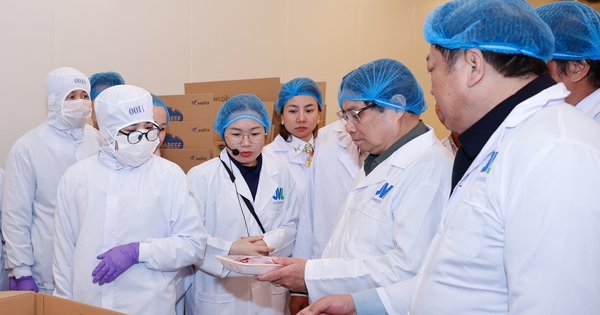
Through investigation, reporters learned that at K Hospital's Tan Trieu facility, there are 5 radiotherapy machines, but machine number 2 (the one covered by health insurance) is frequently out of order, causing patients to switch to other machines. Sometimes, patients have to wait until 2 AM for their turn for radiotherapy, which is very difficult for them.
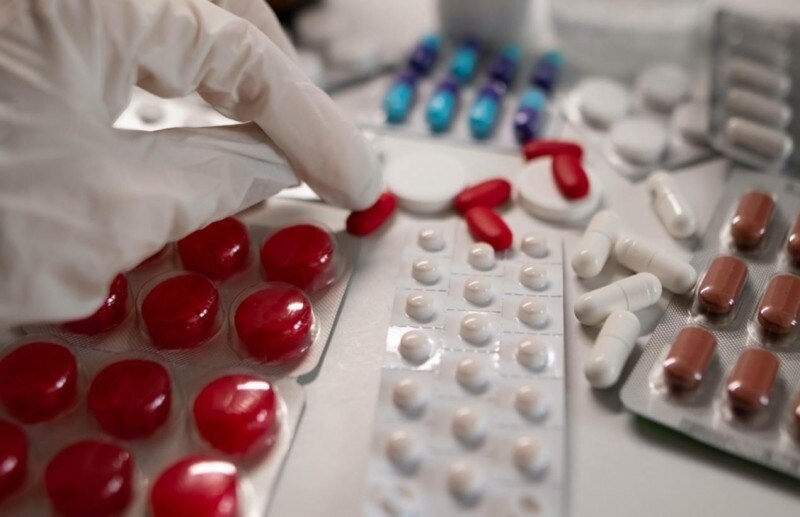 |
| The prolonged shortage of medicines and medical supplies is causing patients a great deal of hardship. |
According to patients, because it's a health insurance-covered machine, machine number 2 operates at full capacity every day, and occasionally breaks down. Many people are worried about their radiotherapy schedule but don't have a machine available, so they have to request a switch to another machine and pay extra because it's a private service machine.
Due to patient overload, radiotherapy machines had to operate at double capacity, resulting in long waits until midnight and into the morning for radiotherapy at K Hospital.
Regarding the issue of insufficient radiotherapy machines for patients, Mr. Le Van Quang, Director of K Hospital, stated that the hospital has 6 radiotherapy machines, including 5 at facility 3 and 1 at facility 2.
Machines number 1 and 2 are covered by health insurance; the remaining 3 machines are privately-funded, with only partial health insurance coverage, and patients must pay for the high-tech procedures, with fees varying depending on the specific illness.
Recently, radiotherapy machines number 1 and 2 broke down. However, the hospital has repaired them and put them back into operation, but they cannot run at full capacity because they are old and have exceeded their lifespan.
Currently, we are only operating these two machines at a limited capacity, irradiating 60-70 patients per machine per day. We will increase the number of patients if the machines run smoothly again in 1-2 weeks.
On average, K Hospital receives 2,000 patients for examination, 1,000 patients for radiotherapy, and thousands of patients for inpatient and outpatient treatment each day.
Meanwhile, for the past two years, cancer patients from Bach Mai Hospital and Hanoi Oncology Hospital have been flocking to K Hospital because their radiotherapy machines are malfunctioning (Hanoi Oncology Hospital has 2 machines and 1 is broken; Bach Mai Hospital has 1 is broken), resulting in nearly double the number of patients and forcing the machines to operate at maximum capacity.
According to Mr. Quang, a radiotherapy machine has a capacity of 70 patients per day, but it is currently handling 150 patients per day, operating 20-22 hours a day, including Saturdays, so breakdowns are unavoidable.
While the cost of repairing a machine once can amount to tens of billions of dong, bidding for replacement parts can take months. According to the Director of K Hospital, purchasing a new machine requires significant funding, as the cost of one radiotherapy machine is over 100 billion dong, so the investment must be made gradually.
At the Central Endocrine Hospital, facility 1 in Yen Lang, Thai Thinh, Hanoi, several patients with adrenal insufficiency are worried because for the past three months, they have not received any insurance-covered medication to treat their adrenal gland problems, despite having health insurance.
At Viet Duc Friendship Hospital, several frequently used but in short supply medications, including Albumin, Gamma Globulin, and anesthetics, have recently been experiencing shortages.
According to the hospital's leadership, the shortage of Albumin and Gamma Globulin was due to the lack of participating bidders, preventing the hospital from purchasing them. Therefore, the shortage is real and unavoidable.
Regarding anesthetics, there are no substitutes available, while the needs of Viet Duc Friendship Hospital are very high as it is a specialized surgical hospital, performing 270 to 300 scheduled surgeries and 30-40 emergency surgeries daily.
The National Institute of Hematology and Blood Transfusion has recently been experiencing shortages of certain specialized drugs and chemicals, while patients lack access to medications from reliable sources, leading to interruptions or delays in treatment, including the drug Vincristine.
In addition, the facility lacks certain chemotherapy drugs such as Methotrexate, Etoposide, and Endoxan, forcing patients to purchase them from outside sources for treatment. Not only are chemicals in short supply, but some medical supplies and intravenous fluids, such as 5% glucose solution, are also frequently unavailable.
Overcoming difficulties with multiple solutions.
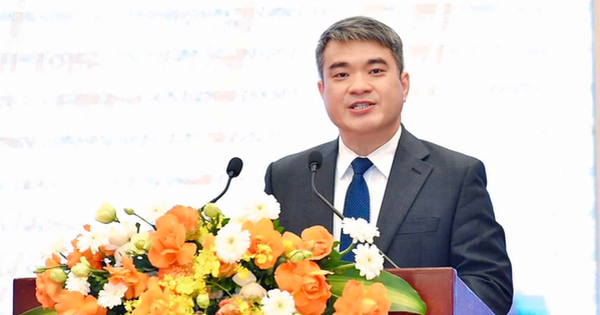
Given the overwhelming workload and difficult situation faced by patients, the Director of K Hospital stated that the hospital had previously proposed purchasing 11 additional radiotherapy machines, but is currently accelerating the bidding process. Between now and 2025, they plan to purchase 4 new radiotherapy machines: 1 for facility 2 (expected to be completed by the end of 2024); and 3 in 2025, including 2 for facility 1, funded by the Government and the Ministry of Health . "With 4 more radiotherapy machines, the overload will be reduced, and doctors and medical staff will not have to work overtime," Mr. Quang said.
Facing similar difficulties due to shortages of certain medicines and supplies, Dr. Duong Duc Hung, Director of Viet Duc Friendship Hospital, stated that the hospital prioritizes emergency surgeries and critically ill patients, while routine surgeries and cosmetic surgeries are not yet prioritized. In addition, staff have to increase surgical capacity until 8-9 PM to meet patient demand.
"The doctors are also very tired; they've done their best, but if they push themselves too hard, they won't be able to guarantee the quality of medical care for patients," the Director of Viet Duc Friendship Hospital stated.
Having to buy medicine and medical supplies outside the insurance system is a heavy burden for patients, even though this is a legitimate right they are entitled to.
Reportedly, in June of this year, the Health Insurance Department of the Ministry of Health consulted with units in 36 provinces and cities and surveyed reports on the drug shortage situation over the past three years. Sixty-three provincial health departments reported that, to date, there is basically sufficient supply of drugs, with only a few cases due to unsuccessful bidding processes.
Regarding the issue of patients having to purchase medicines covered by health insurance outside the healthcare system and ensuring people's rights, Ms. Tran Thi Trang, Director of the Health Insurance Department, said that the Ministry of Health is developing a Circular regulating the direct payment of costs for medicines and medical supplies in health insurance-covered medical examinations and treatments to ensure patients' rights.
Accordingly, the medications and medical supplies prescribed to the patient may or may not have been previously covered by health insurance at the medical facility.
Healthcare facilities may not have available medications or medical supplies to treat patients due to objective reasons, such as the fact that the bidding process for those medications or medical supplies did not yield any winning bids;
There are bidding results, but at the time of prescribing drugs and medical supplies to patients, the supplier is unable to provide them; in cases where there is a delay in the results of national and local centralized bidding and price negotiations, and the medical facility has not yet organized the bidding process.
The Health Insurance Department also proposed specific provisions, such as: for medications and medical supplies previously covered by health insurance at a healthcare facility, the reimbursement price should be the health insurance reimbursement price at the time closest to when the healthcare facility or patient purchases the medication.
For medications and medical supplies that were not previously covered by health insurance at a healthcare facility, the reimbursement price will be the lowest winning bid price at the time the patient purchases the medication.
According to Mr. Do Xuan Tuyen, Deputy Minister of Health, the ministry is finalizing the revised Law on Pharmaceuticals and the Law on Health Insurance to submit to the National Assembly for consideration and approval at the October session.
If the Pharmaceutical Law is passed, there will be five very strong administrative procedure reform policies to speed up the process of issuing drug marketing authorizations, helping drug importers and suppliers to healthcare facilities.
The Ministry of Health leaders also pointed out four new points in the policies issued to address the shortage of medicines and medical supplies in the past period.
First, it allows the use of one quotation or the highest quotation that matches the financial capacity and professional requirements of the healthcare facility, instead of the three quotations used previously.
In addition, the purchase of equipment and chemicals must be evaluated and recommended by a council of the medical facility to avoid situations where items are purchased but cannot be used.
Additionally, direct contracting is permitted in urgent cases to maintain the regular operation of a medical facility, meaning that if a bidding process is unsuccessful, the contract will be awarded through direct negotiation.
At the same time, the regulations specify the cases of epidemic emergencies where direct procurement is applicable; and allow for the option to purchase additional drugs immediately, up to a maximum of 30% of the previously contracted volume.
According to Mr. Tuyen, the institutional framework for bidding and procurement of medicines is basically complete, but the main issue lies in the implementation at the grassroots level. It must be done in a way that is open, transparent, and free from corruption and waste during the process.
To address the shortage of medicines and medical supplies in the coming period, Deputy Minister of Health Do Xuan Tuyen suggested that when units issue tender documents and evaluate bids, they should carefully study the capabilities of the bidders to avoid situations where bidders lack medicines.
In the bidding process, units should assign the materials department to ensure that all work is carried out properly, and the staff involved should receive training and be assigned to perform bidding tasks long-term.
At each unit, the general planning department, the medical supplies department, the pharmacy department, and the accounting department must coordinate to develop a plan for the supply of medicines and medical supplies for the following year.
Units must compile statistics on disease patterns over the past 5 years or at least the last 6 months to identify which diseases are likely to increase, in order to forecast supplies and medications and subsequently develop plans for selecting contractors and conducting bidding processes.
At the same time, to ensure an adequate supply of medicines, hospitals need to plan their drug procurement for the following year starting from the fourth quarter. Units should carefully study the bidding guidelines to ensure open and transparent bidding processes.
Source: https://baodautu.vn/thieu-thuoc-vat-tu-khien-nguoi-benh-kho-so-tang-chi-phi-d222315.html