
There are many reasons for the low land use fee collection rate in the province. First and foremost are the difficult economic conditions, the sluggish real estate market, and the slow progress in land clearance for some projects, resulting in delays in handing over land to investors.
In some projects, the development of compensation, support, and resettlement plans is slow, requiring numerous adjustments and additions, creating negative sentiment among those whose land is expropriated, leading to prolonged delays; the budget allocated for land clearance has not received adequate attention and has not met the set requirements; the settlement of land clearance costs is slow, resulting in prolonged and incomplete collection of land use fees in some projects.
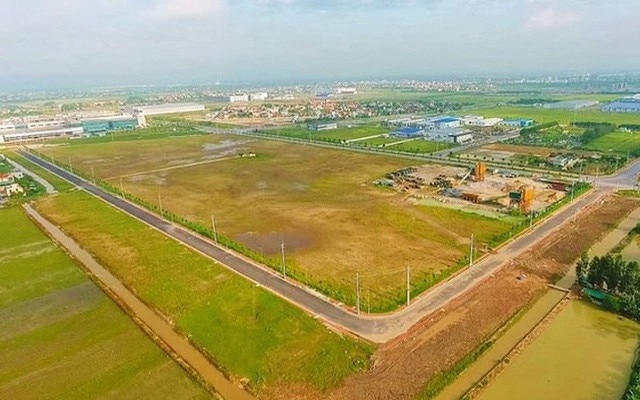
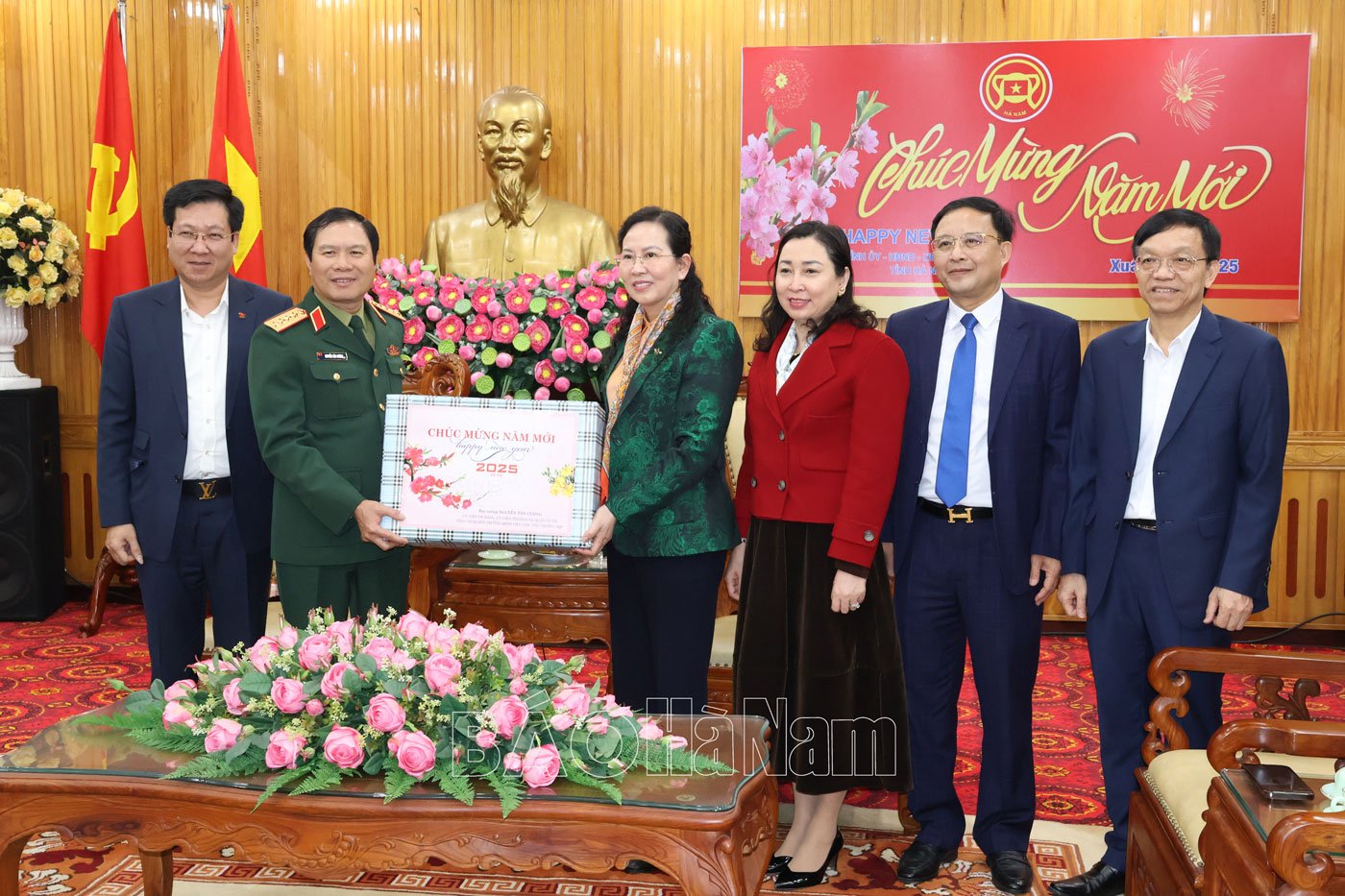
Ha Nam province is resolutely implementing measures to collect state revenue from land use fees. (Photo: ST)
This situation has occurred because the Party committees and authorities in some localities have not been thorough enough in leading and directing the implementation of compensation and land clearance work; some communes, wards, and towns consider land clearance work as the responsibility of the investor or the land fund center... therefore, there has been a lack of close coordination to resolve arising difficulties.
Furthermore, land policies and laws have undergone many changes, including regulations on compensation, support, and resettlement (especially the determination of land prices for compensation, and support policies for career chuyển đổi and job creation when agricultural land is reclaimed). These regulations have continuously changed over the years, becoming increasingly favorable to the people, leading to comparisons between those whose land was reclaimed earlier and later in the same area.
To achieve the highest possible state budget revenue targets for 2024 and subsequent years, especially revenue from land use, the People's Committee of Ha Nam province has directed localities within the province to closely adhere to annual land use plans, submit plans for approval by competent authorities, construct residential areas, organize land clearance, and auction land use rights.
Districts, towns, and cities shall inspect and review the business of real estate products in housing projects, urban areas, and rural residential areas within their jurisdiction, requiring real estate businesses to only trade in real estate products that meet the prescribed conditions.
The Department of Construction, in coordination with the People's Committees of districts, towns, and cities, and relevant units, will strengthen inspections, checks, and reviews of housing projects, urban areas, and rural residential areas being implemented in the province to promptly detect, advise on, and strictly handle any transactions or business activities involving real estate products that do not meet the conditions stipulated by law.
Strengthen coordination with investors, local authorities, and relevant agencies to widely disseminate information about projects (legal status, scale, progress, etc.) so that people can accurately understand the relevant legal regulations. Promptly prevent the spread of false information about projects, which could affect investors' operations, destabilize the real estate market, and disrupt public order and security in the area.
The Provincial People's Committee also directed relevant departments and localities to strengthen propaganda and dissemination efforts to create consensus among the people when handing over land for projects, accelerate the construction progress of new residential areas, and submit proposals to higher authorities for consideration to supplement the planning for auctioning land use rights.
During the construction of residential areas and land use right auctions, relevant departments and localities should publicly and transparently provide detailed information about project locations to encourage broad public participation from investors and businesses in the auction process; advise and propose early plans for collecting land use fees, develop contingency plans for timely implementation within the year, and limit the concentration of land use fee collection at the end of the period; accelerate progress and improve the quality of land use planning and management; and coordinate in resolving difficulties and obstacles related to the organization of land use right bidding and auctions.
Source: https://www.congluan.vn/ha-nam-phan-dau-thu-ngan-sach-tu-tien-su-dung-dat-khoang-5700-ty-dong-post306684.html