
Hoai Khao hamlet is located in Quang Thanh commune, Nguyen Binh district, Cao Bang province. It still retains its pristine forests and is blessed with natural wild beehives deep within the forest, a tradition that has been intertwined with the lives of the Hoai Khao people for hundreds of years.
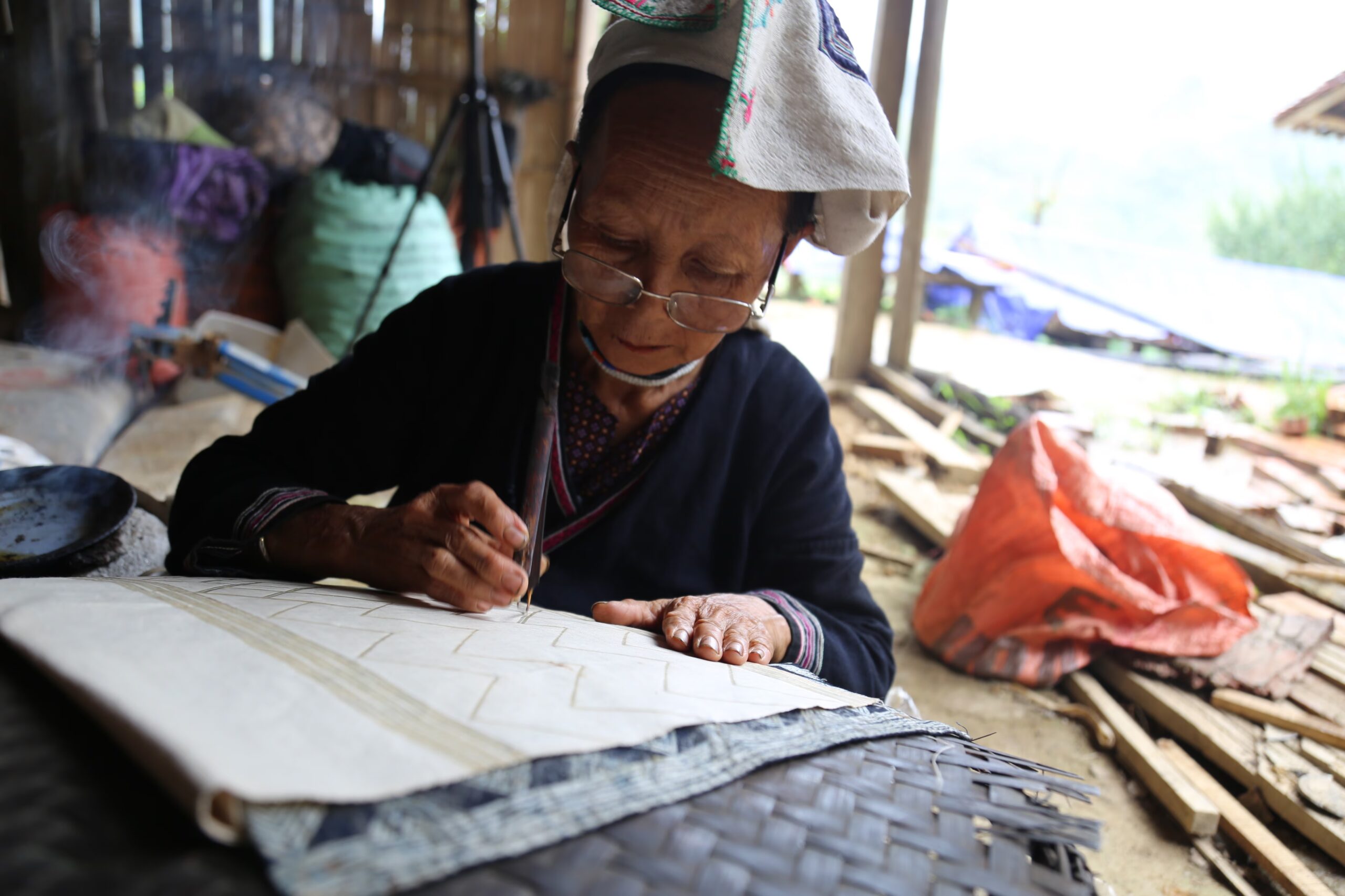
The Hoai Khao hamlet currently has 34 households, all of whom are from the Dao Tien ethnic group. Every year in the 7th lunar month, the Dao Tien people of Hoai Khao hamlet harvest bee colonies to melt them down into pure beeswax. The pure beeswax obtained after melting is used as the raw material for printing patterns on the traditional clothing of Dao Tien women. 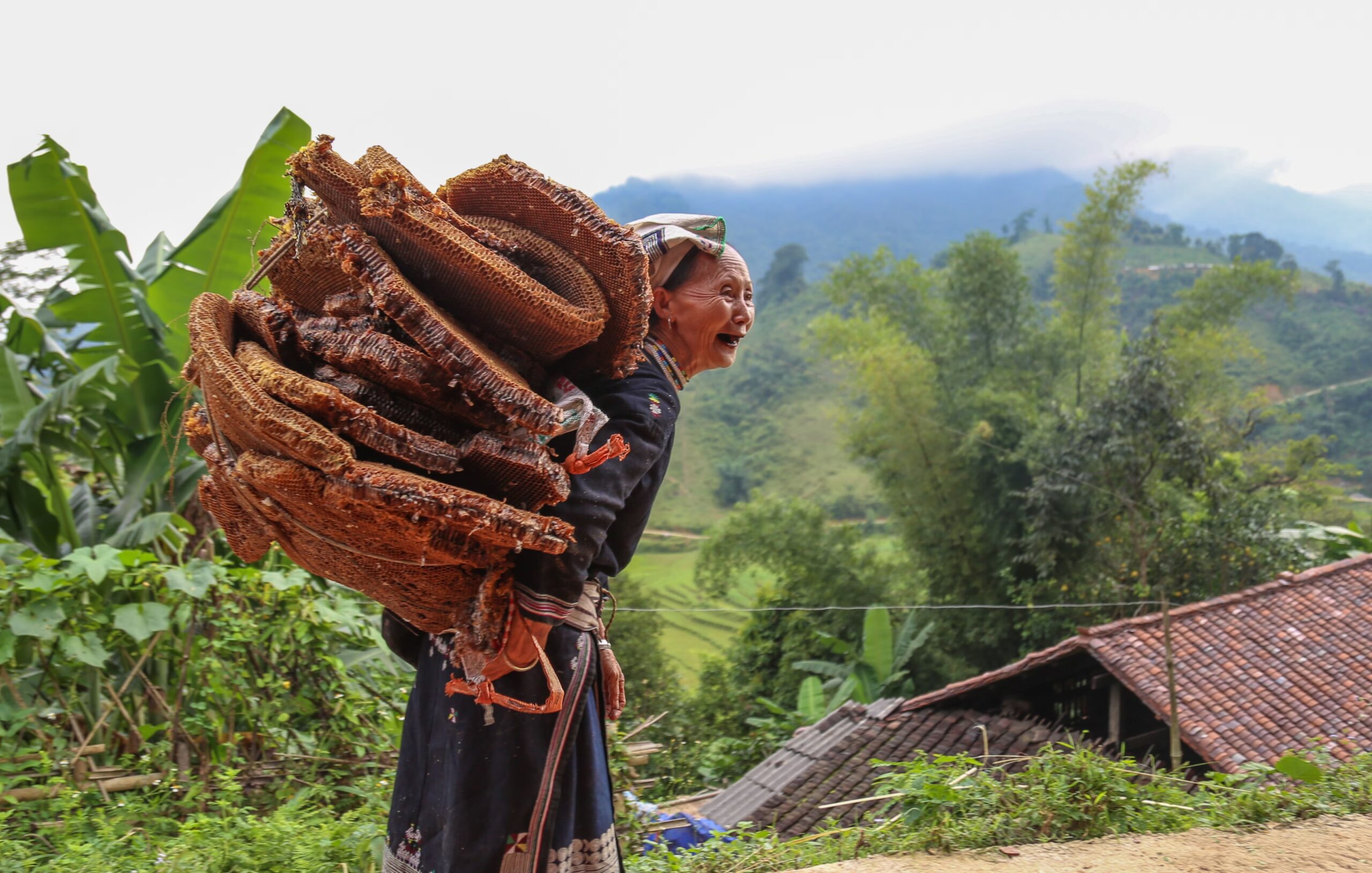 Join Vietnam.vn in experiencing the beeswax-making process of the Dao Tien ethnic group through the photo series "The Dao Tien People and How to Process Wild Beeswax". To create the unique patterns on their traditional clothing, the Dao Tien people in Hoai Khao hamlet, Quang Thanh commune, Nguyen Binh district, Cao Bang province, have to go through many arduous steps: from going into the forest to harvest giant wild bee nests to processing the beeswax and printing the patterns onto the fabric… This photo series was submitted by the author to the "Happy Vietnam" photo and video contest, organized by the Ministry of Information and Communications .
 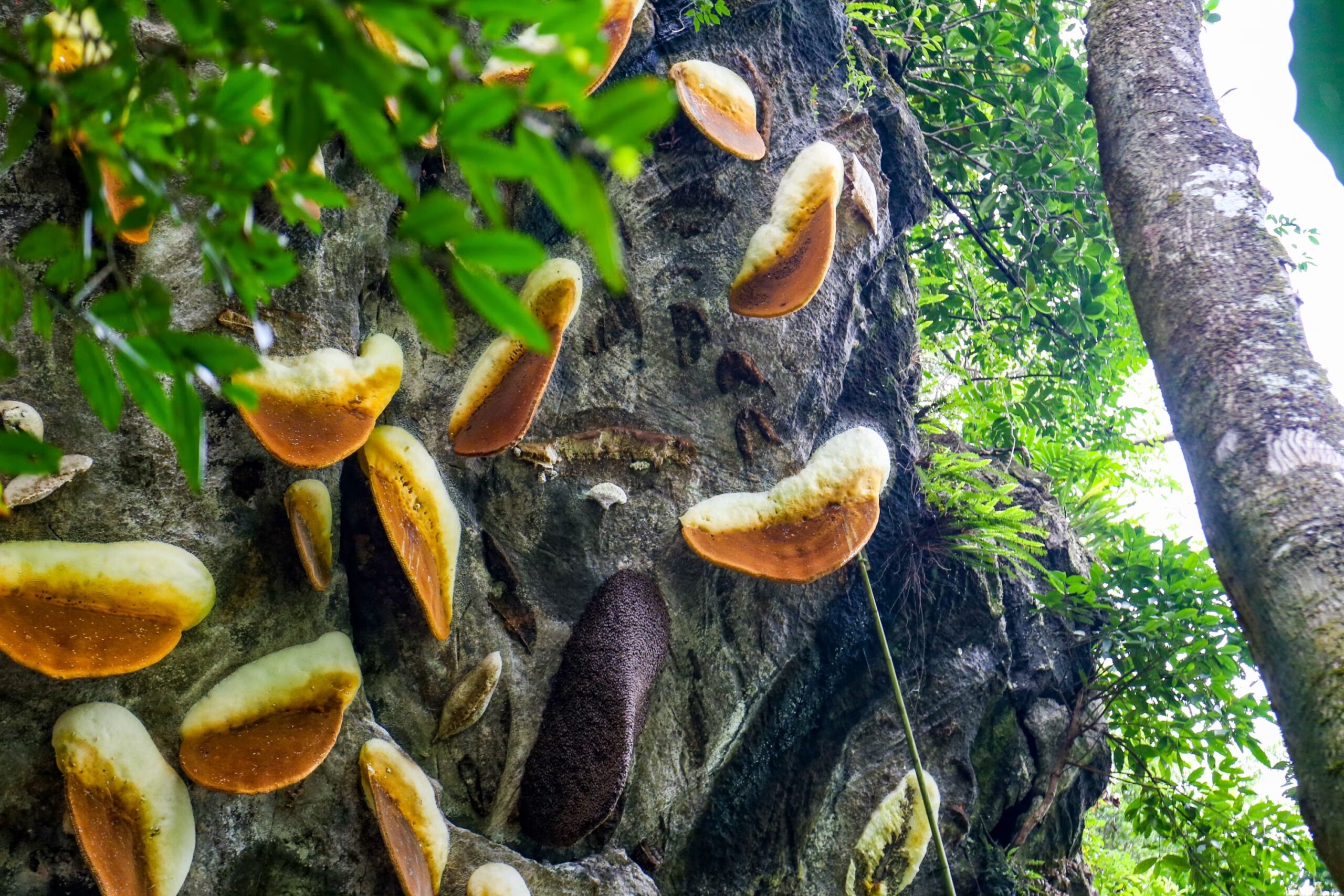 The fresh climate and pristine forests of Hoai Khao provide ideal conditions for the giant honeybee to nest. The village has two nesting areas for giant honeybees: Chan Venh and Ta Lac, each with about 30 nests. The giant honeybees build their nests precariously on cliffs in the forest at a height of about 20-30 meters above the ground.
 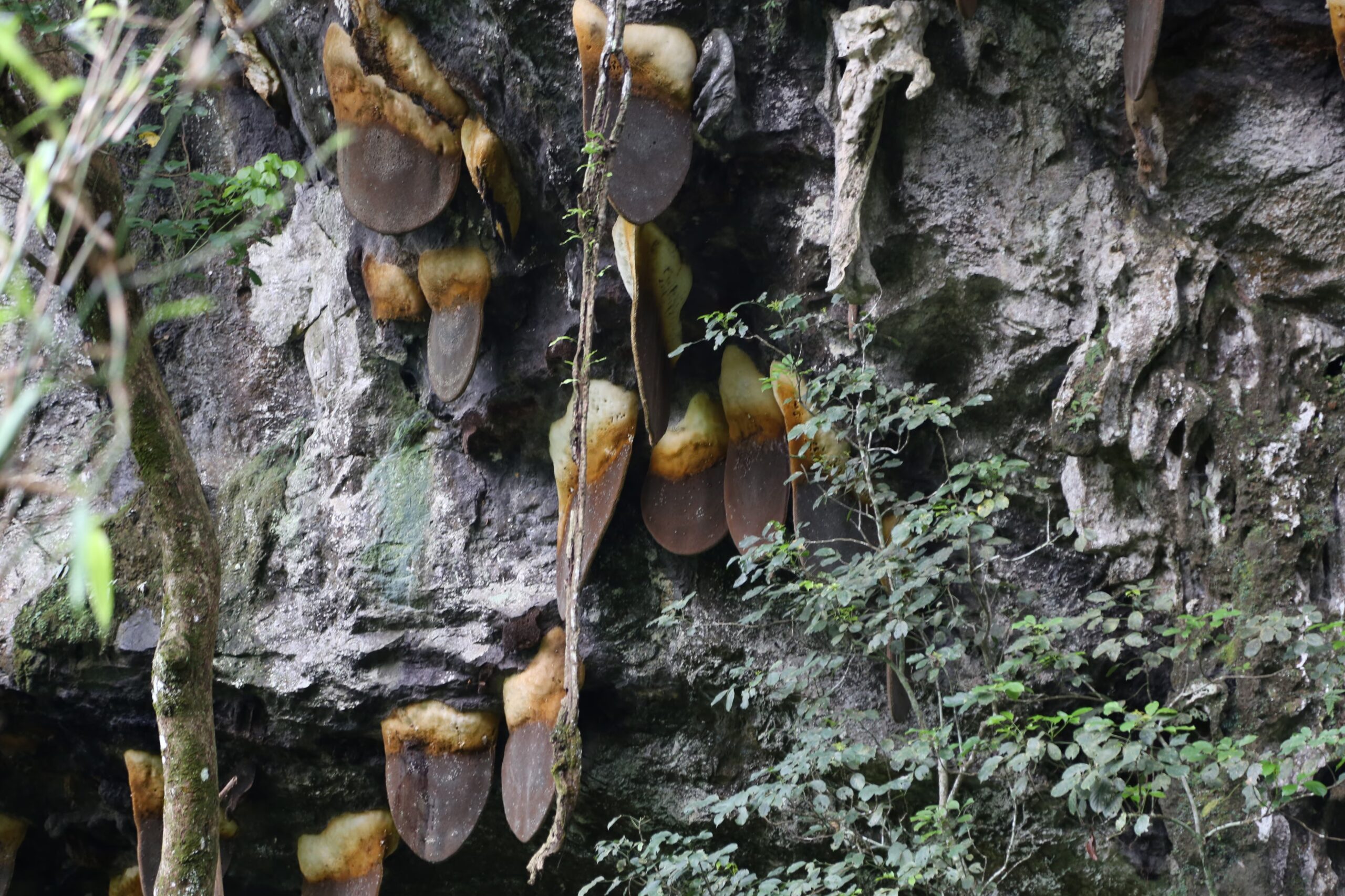 Every year, in the warm spring, the bees return to build their hives and make honey, and in the cool autumn, they fly away to find a warmer place to overwinter. While the bees are building their hives and making honey, the villagers always assign people to protect the bee colonies, ensuring no one harms them. When the honey runs out and the bees fly away, the village holds a meeting to choose a day and assign people to organize the harvesting of the beeswax.
Join Vietnam.vn in experiencing the beeswax-making process of the Dao Tien ethnic group through the photo series "The Dao Tien People and How to Process Wild Beeswax". To create the unique patterns on their traditional clothing, the Dao Tien people in Hoai Khao hamlet, Quang Thanh commune, Nguyen Binh district, Cao Bang province, have to go through many arduous steps: from going into the forest to harvest giant wild bee nests to processing the beeswax and printing the patterns onto the fabric… This photo series was submitted by the author to the "Happy Vietnam" photo and video contest, organized by the Ministry of Information and Communications . The fresh climate and pristine forests of Hoai Khao provide ideal conditions for the giant honeybee to nest. The village has two nesting areas for giant honeybees: Chan Venh and Ta Lac, each with about 30 nests. The giant honeybees build their nests precariously on cliffs in the forest at a height of about 20-30 meters above the ground. Every year, in the warm spring, the bees return to build their hives and make honey, and in the cool autumn, they fly away to find a warmer place to overwinter. While the bees are building their hives and making honey, the villagers always assign people to protect the bee colonies, ensuring no one harms them. When the honey runs out and the bees fly away, the village holds a meeting to choose a day and assign people to organize the harvesting of the beeswax. 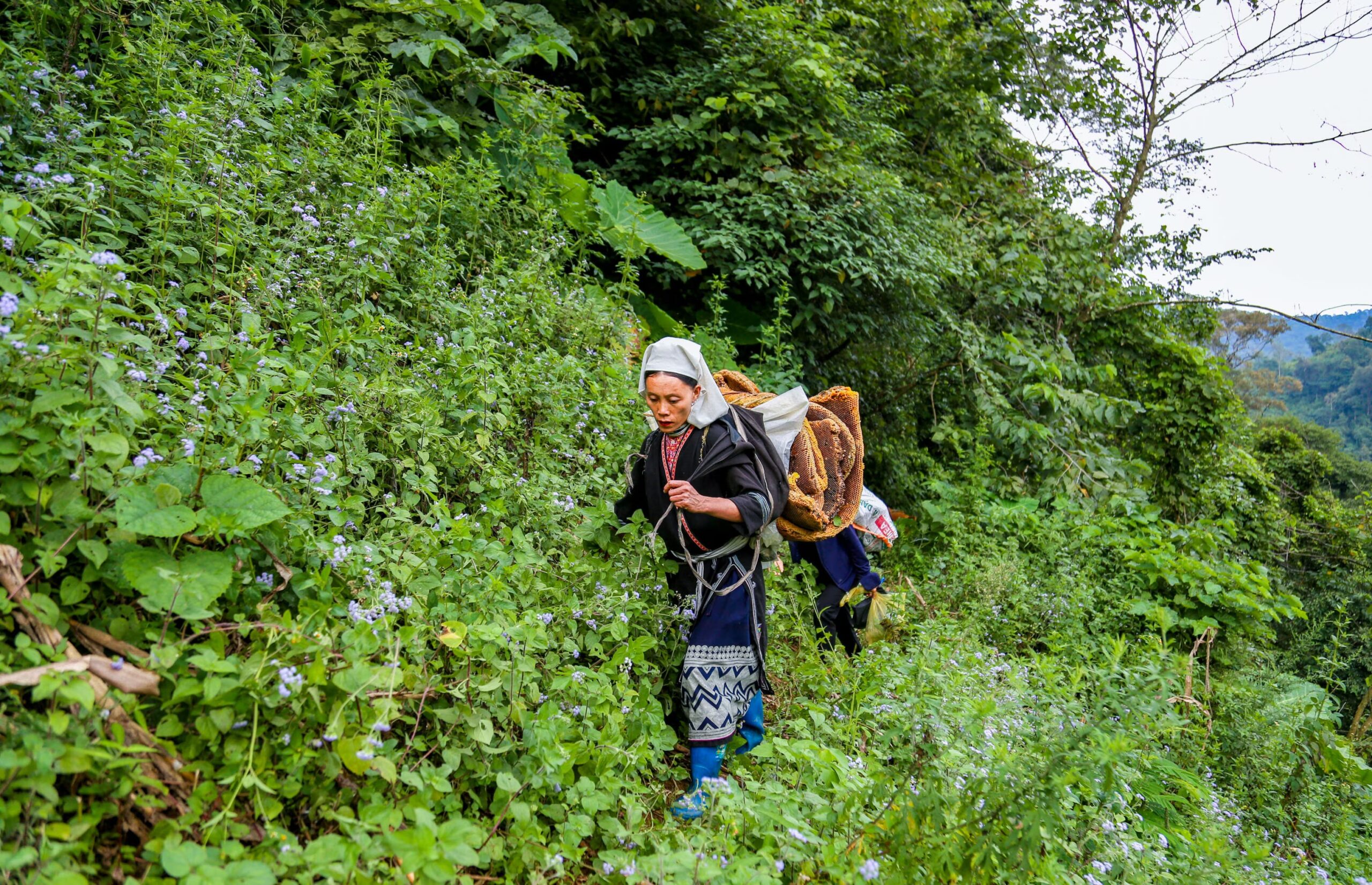 At the right time, the Dao Tien ethnic minority women would gather together and go up the mountain to collect beeswax.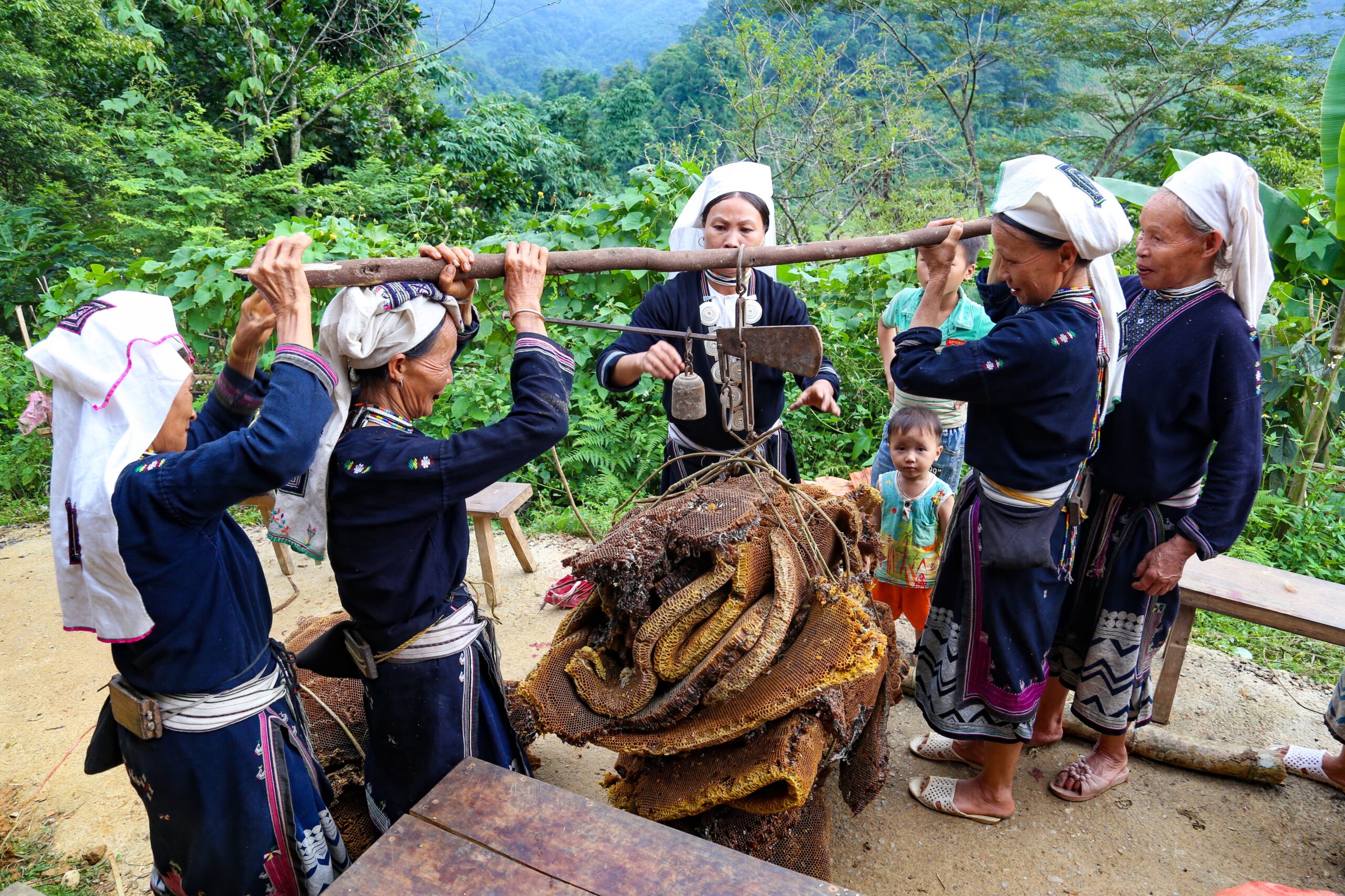
Sorting beeswax at the village cultural center.
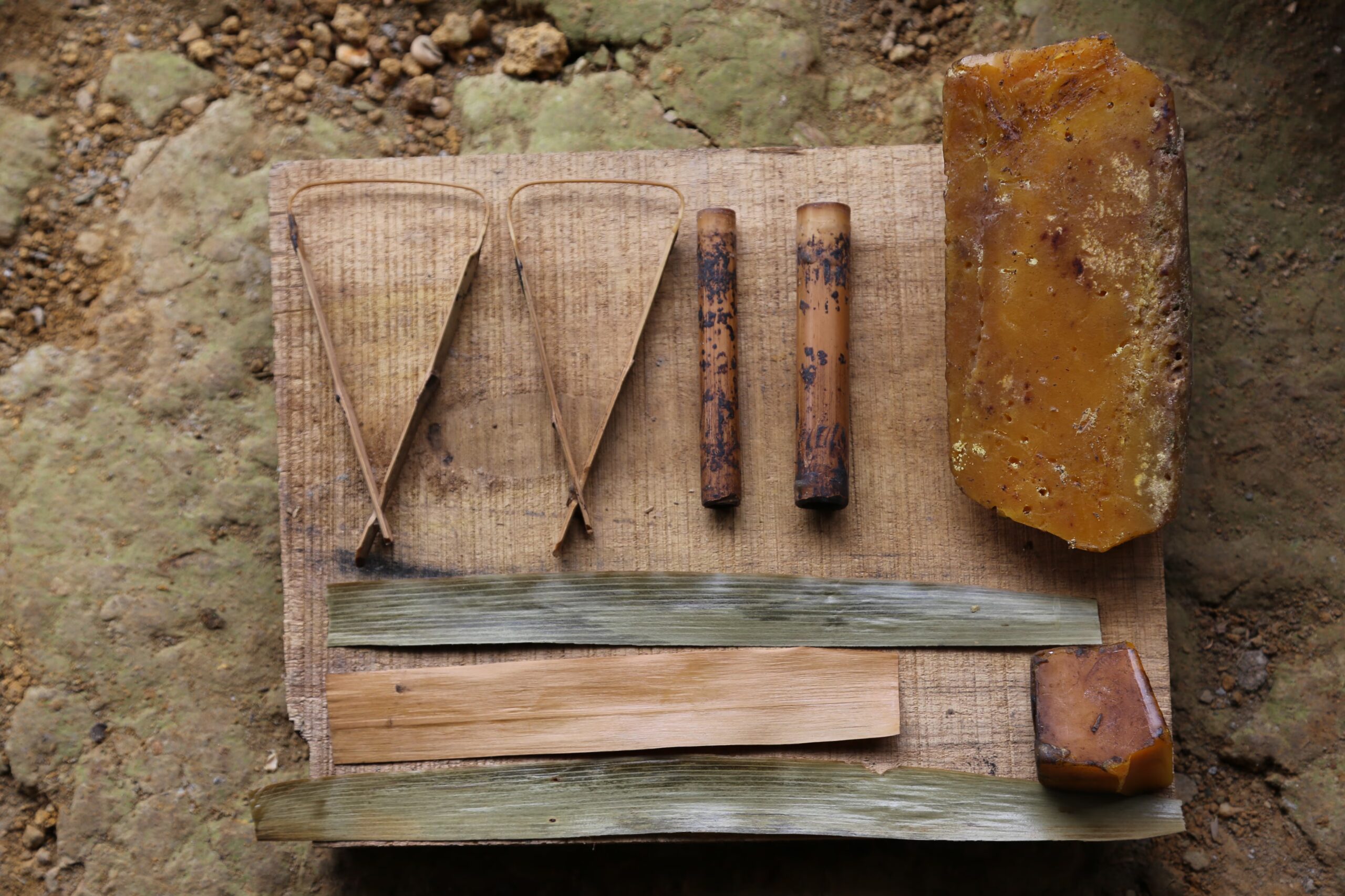
The beehives are quite large, with diameters ranging from 1m to 1.5m. The beeswax is transported and collected at the village's community center. Here, the beeswax is sorted and sifted, separating the yellower wax from the darker wax. Before processing, the beeswax is sorted, removing any soil or leaves clinging to it. Yellow beeswax comes from hives that have recently flown away, resulting in better quality wax and a higher yield. Darker wax comes from hives that flew away earlier or were affected by rain, resulting in a lower yield.
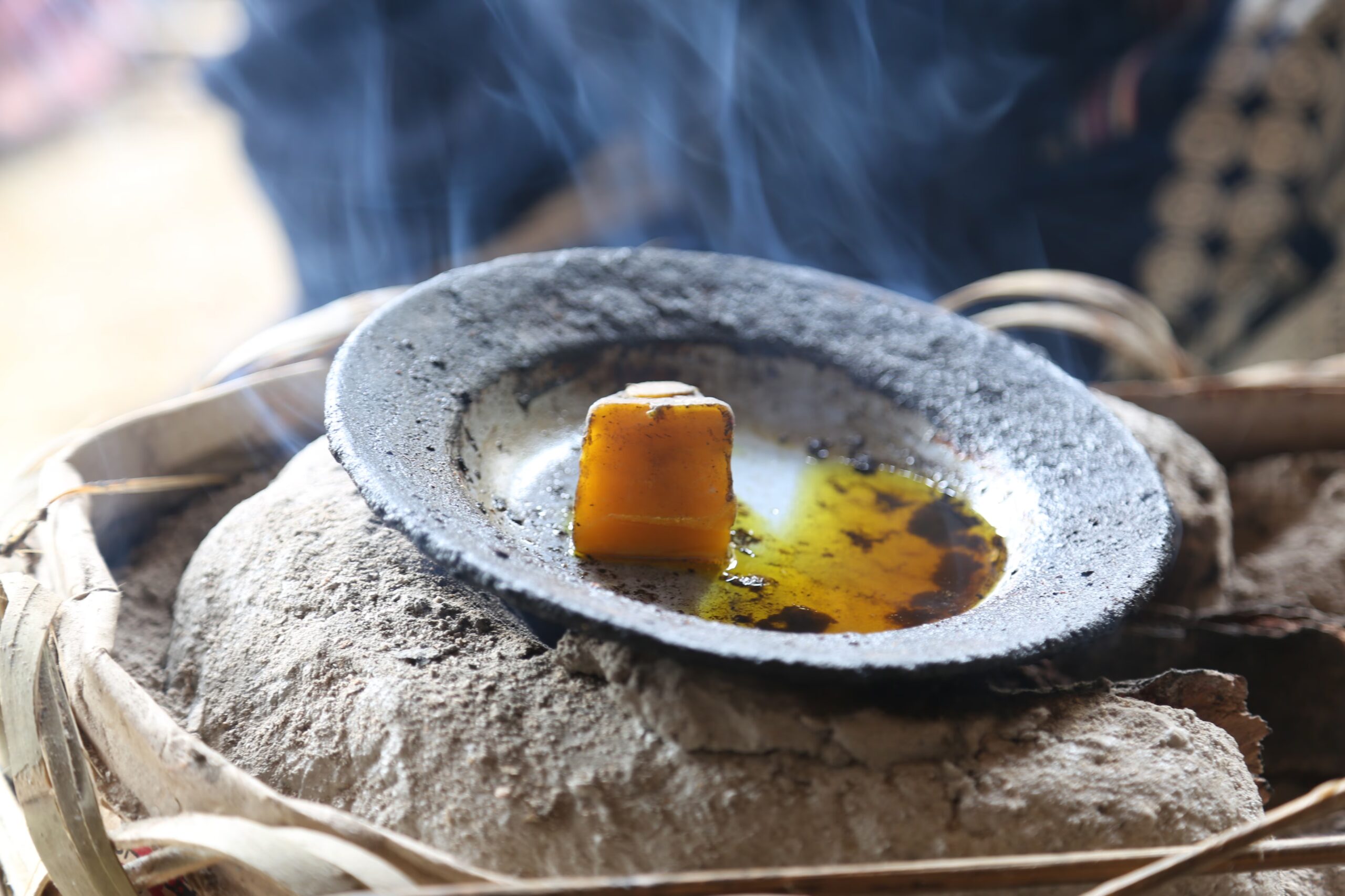
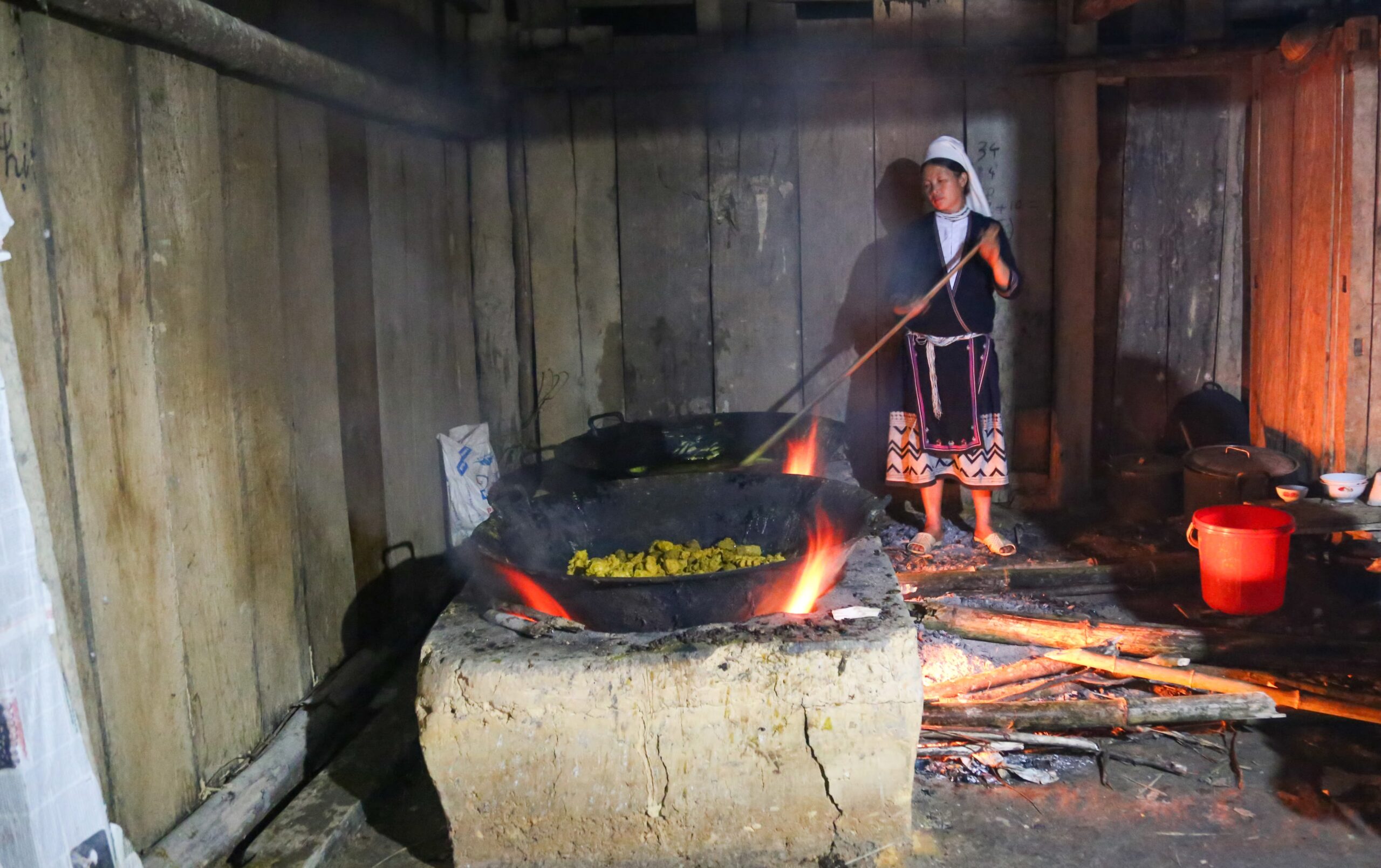 After sorting, the beeswax is placed in a large pan for melting. During the melting process, the women must stir continuously to prevent burning and to ensure the wax melts evenly. Once boiling, the wax is transferred to a pressing basket, allowing the beeswax essence and water to drain to the bottom. Any unmelted wax remaining in the basket is collected and taken to a separate area for further melting. Yellow beeswax is usually heated and pressed about three times to extract all the essence; black beeswax is heated and pressed about twice to extract all the essence.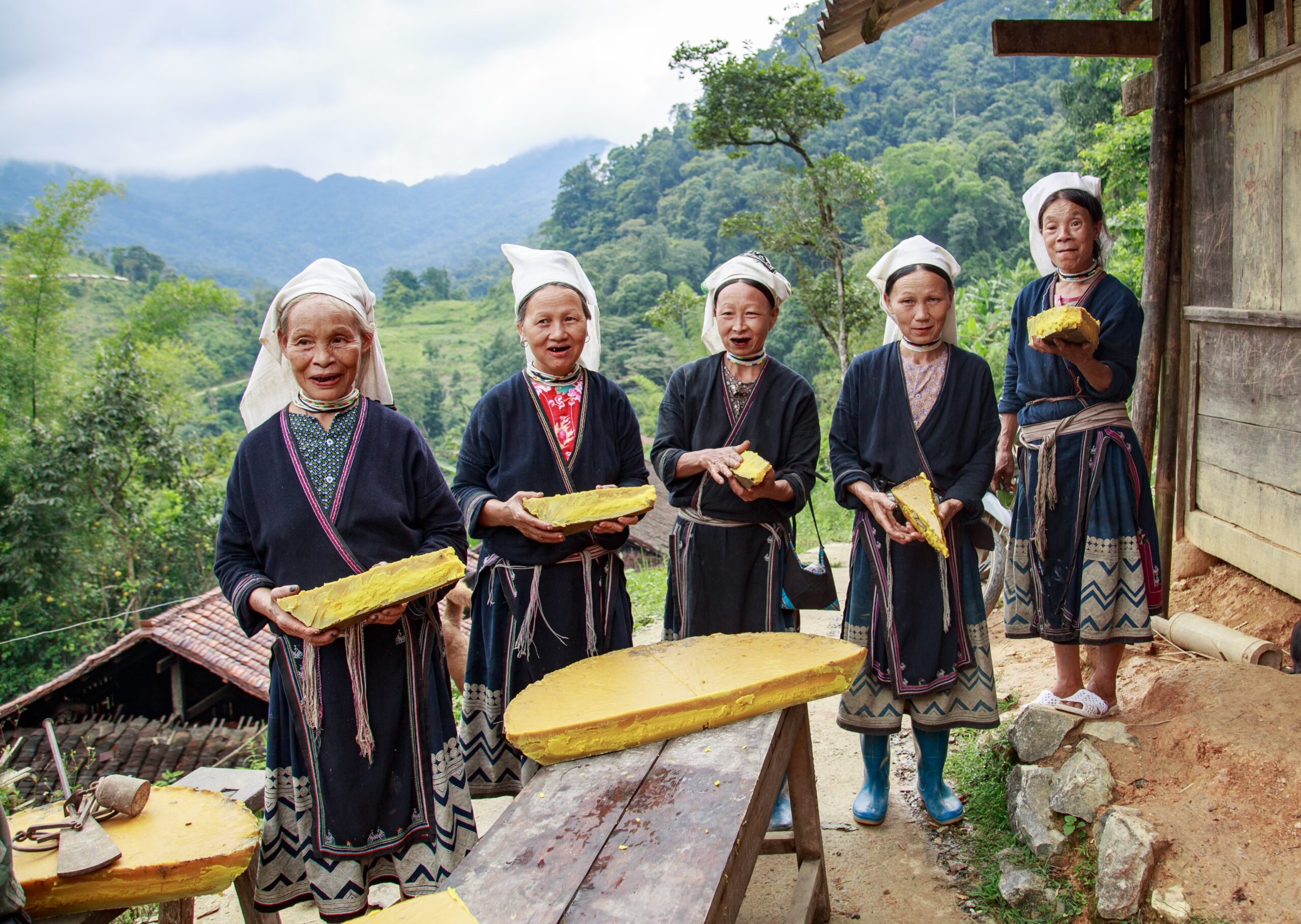
The villagers were happy with the pieces of beeswax in their hands.
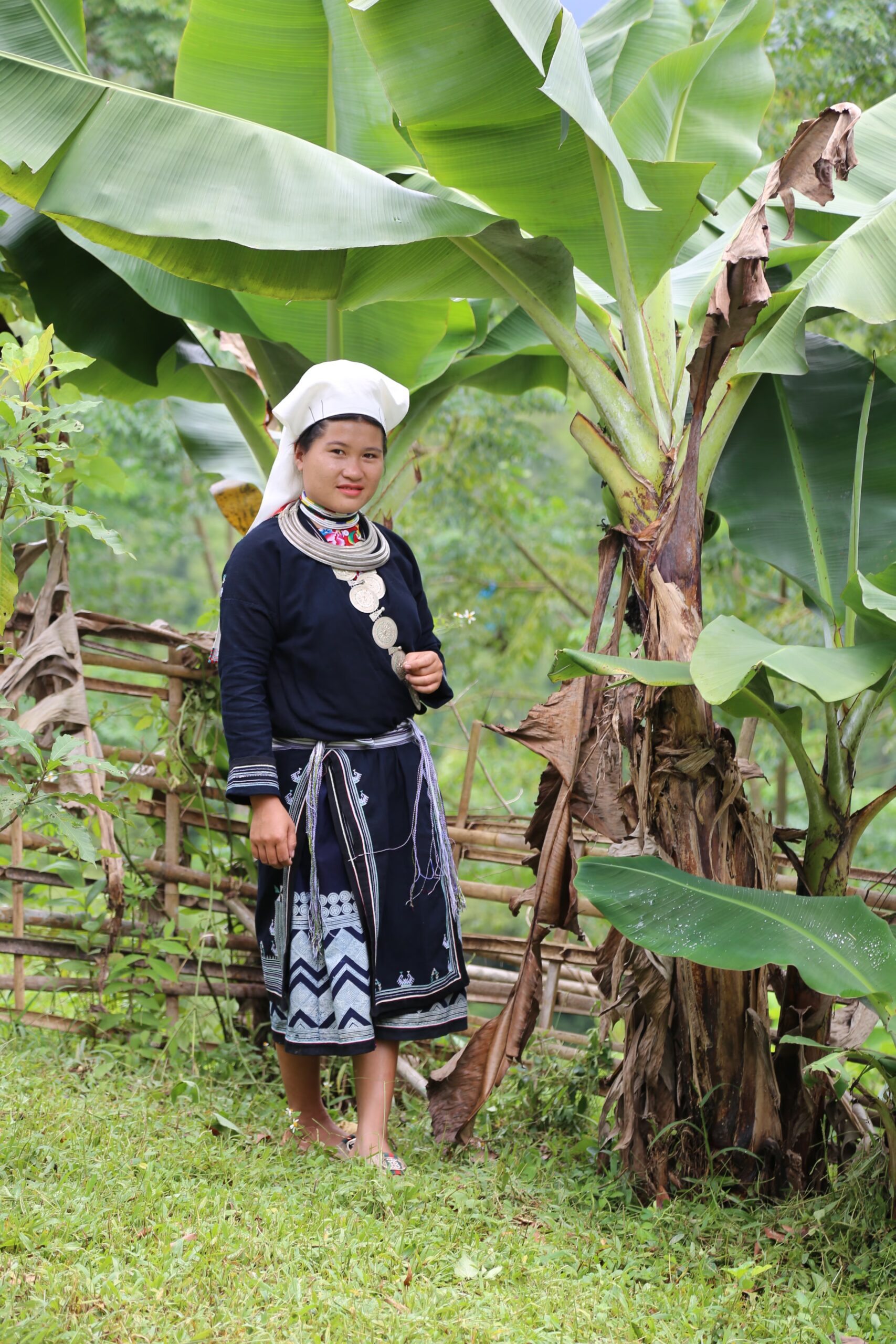 The strong, agile men, skilled at climbing, were tasked with going into the forest, climbing cliffs and tree branches to knock beehives down below. Meanwhile, the women below collected the honeycombs, tying them up neatly to carry back to the collection point in the village.