
From the beginning of January in the Cham calendar until the first half of the lunar month, Cham villages are bustling with preparations for the Rija Nâgar ceremony, also known as Jagar (Rija meaning dance ceremony, Nâgar meaning region, area, or village). This ceremony is a system of folk religious rituals deeply rooted in the Cham community for centuries and has become a significant part of their spiritual life, preserved in many Cham villages to this day. 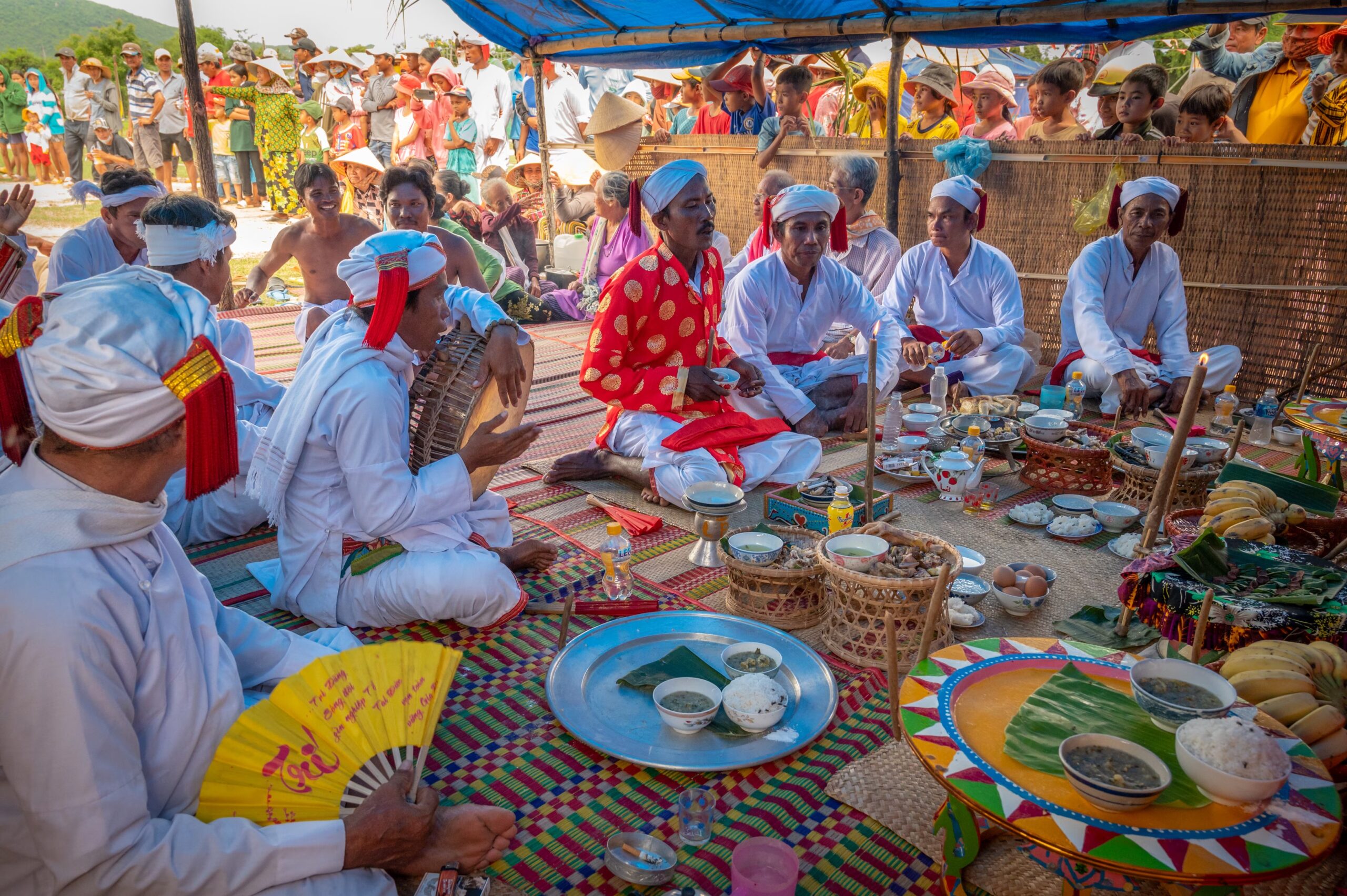 To learn about the Rija Nâgar ritual, we invite you to join Vietnam.vn in experiencing the ceremony through the photo series "New Year's Offering Ceremony (Tống ôn ceremony) of the Cham people" by author Nguyen Van Anh. This photo series helps you understand more about the Tống ôn ceremony, a common ritual for the entire Cham community (including both Brahman and Bani Cham). It is a very important ceremony, closely related to the religious life of the Cham people, to expel bad luck from the old year and pray for good fortune in the new year, preparing for the start of farming and hoping for a bountiful harvest. Therefore, traditionally, the Rija Nâgar ceremony is held annually over two days, "one day in and one day out" (entering on Thursday and leaving on Friday). The author submitted this photo series to the "Happy Vietnam" photo and video contest, organized by the Ministry of Information and Communications .
To learn about the Rija Nâgar ritual, we invite you to join Vietnam.vn in experiencing the ceremony through the photo series "New Year's Offering Ceremony (Tống ôn ceremony) of the Cham people" by author Nguyen Van Anh. This photo series helps you understand more about the Tống ôn ceremony, a common ritual for the entire Cham community (including both Brahman and Bani Cham). It is a very important ceremony, closely related to the religious life of the Cham people, to expel bad luck from the old year and pray for good fortune in the new year, preparing for the start of farming and hoping for a bountiful harvest. Therefore, traditionally, the Rija Nâgar ceremony is held annually over two days, "one day in and one day out" (entering on Thursday and leaving on Friday). The author submitted this photo series to the "Happy Vietnam" photo and video contest, organized by the Ministry of Information and Communications . 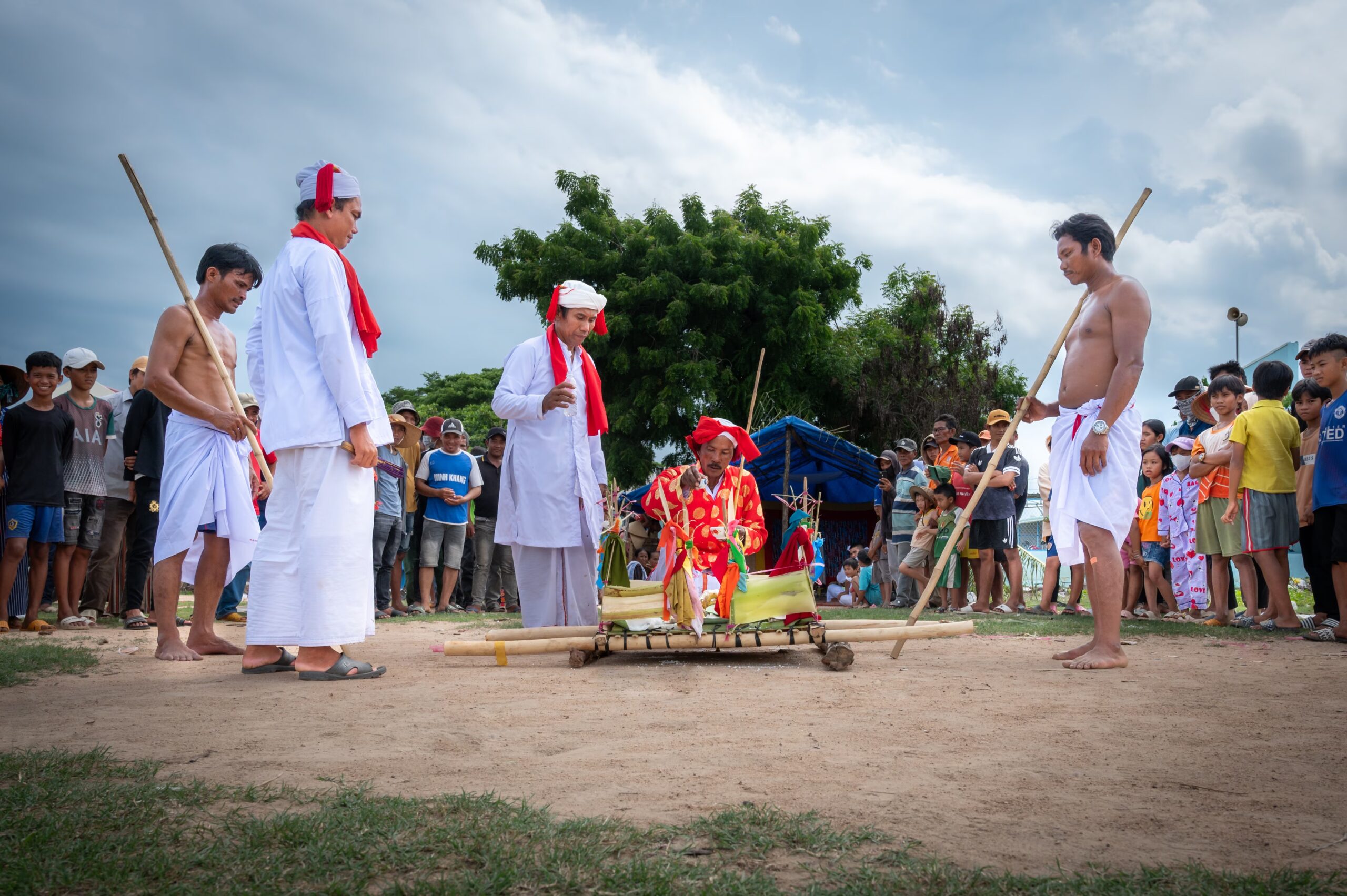 Nowadays, the Rija Nâgar ceremony is also held over two days, but it doesn't necessarily have to be on Thursday and Friday as before. Instead, it is held on Tuesday and Wednesday or Saturday and Sunday of the week until the end of January in the Cham calendar. Currently, the number of shamans and spirit mediums in the Bắc Bình district is not large. Therefore, if all villages held the Rija Nâgar ceremony on Thursday and Friday, it would not be completed in time by the end of the first lunar month.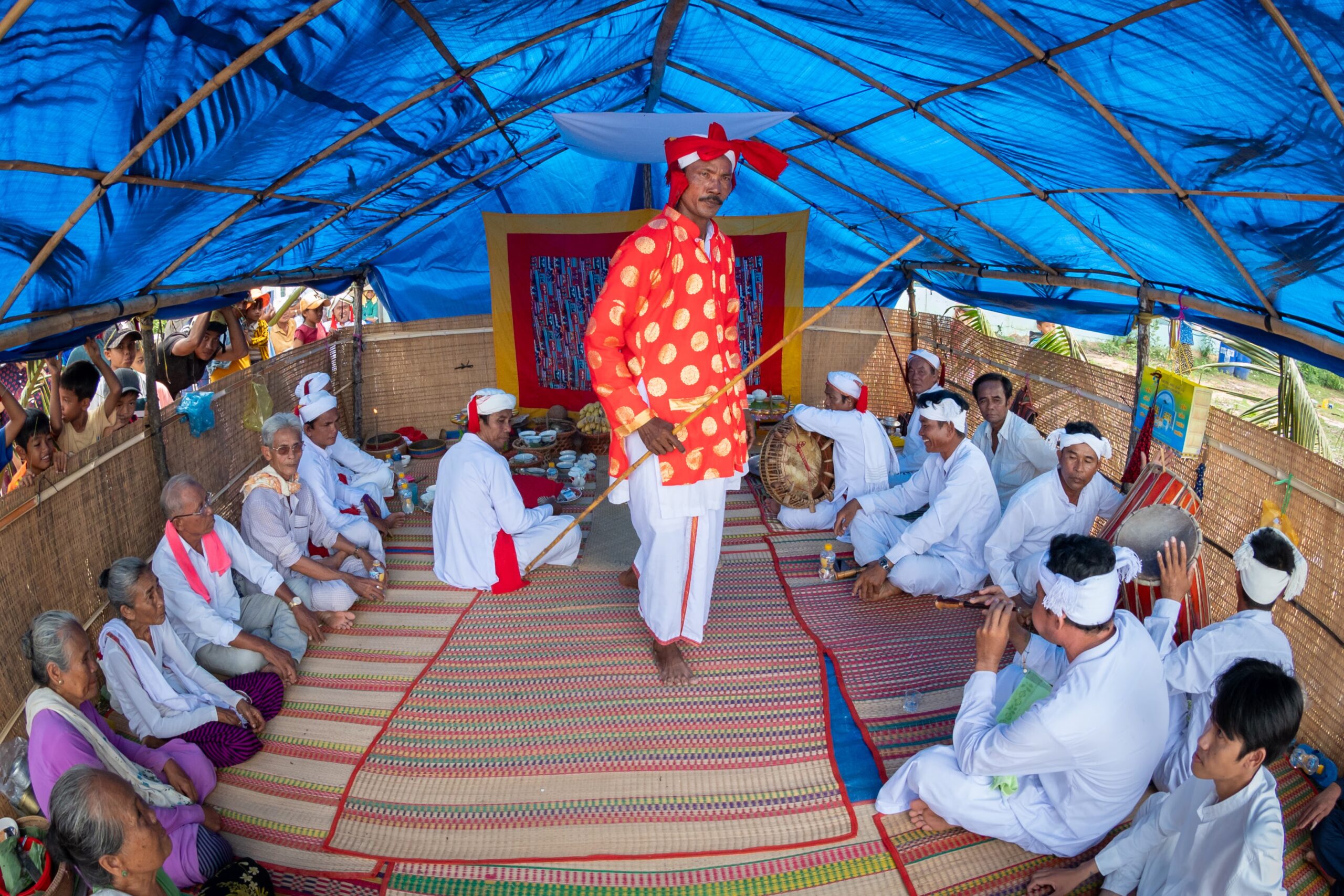

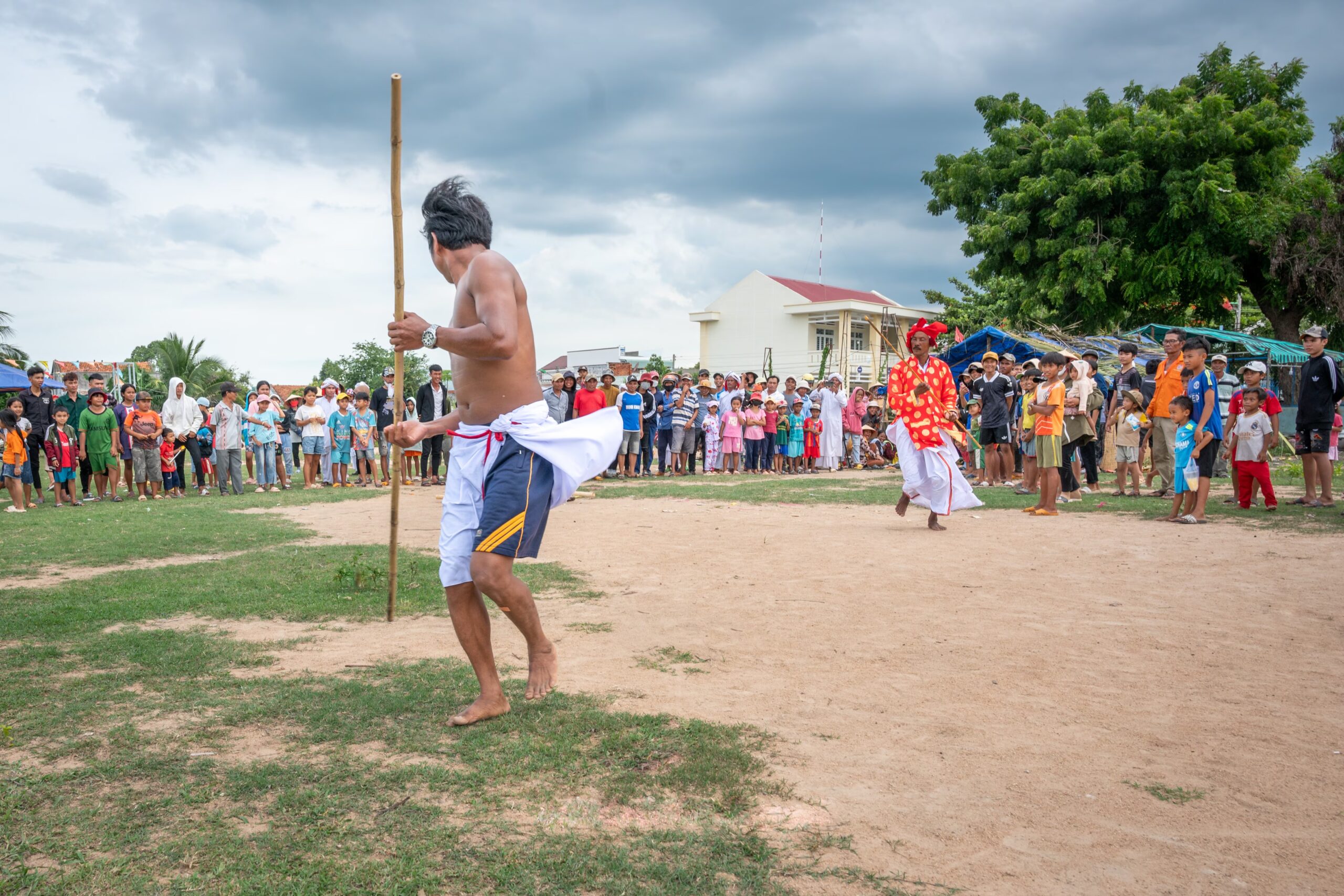
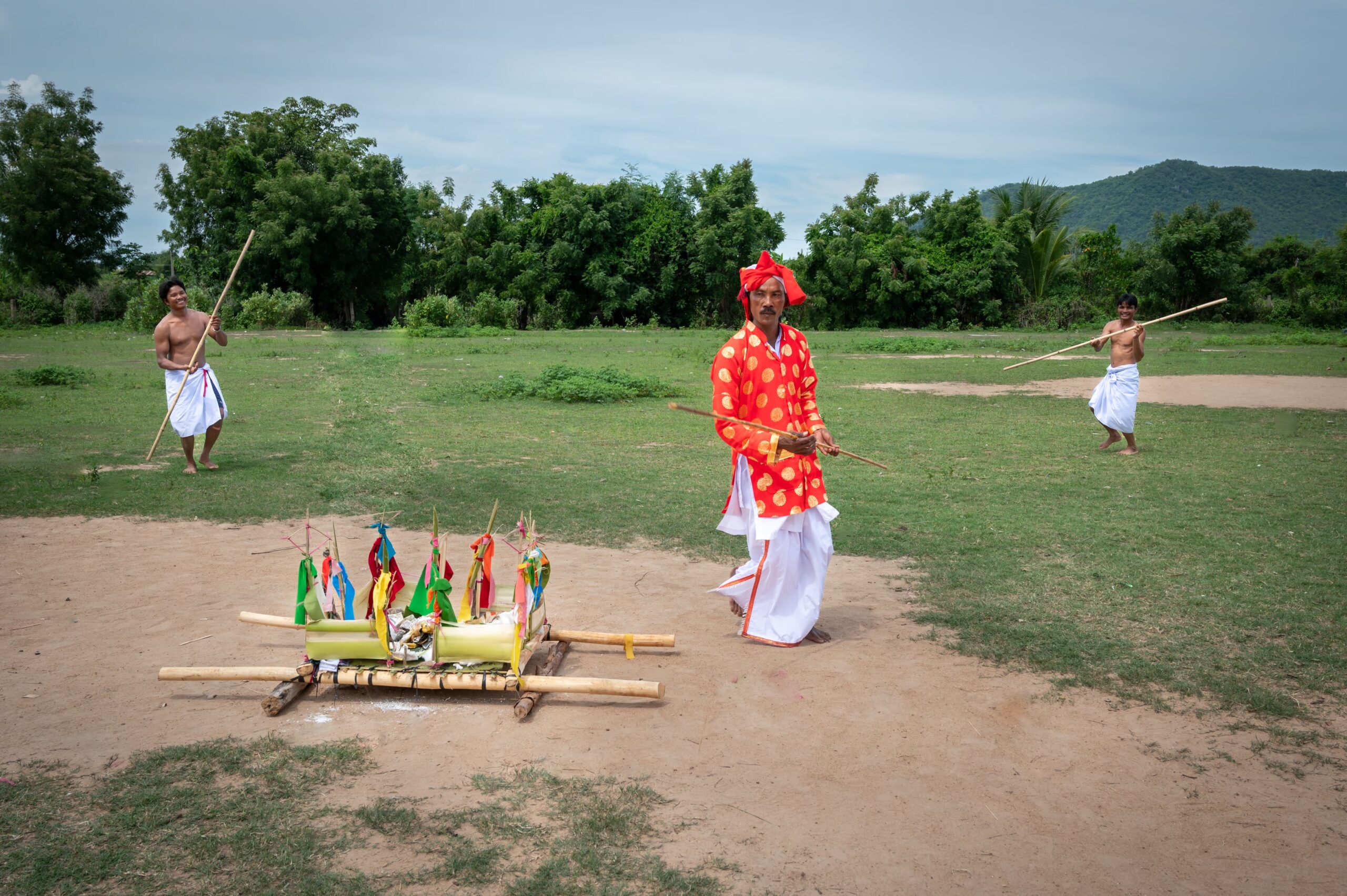
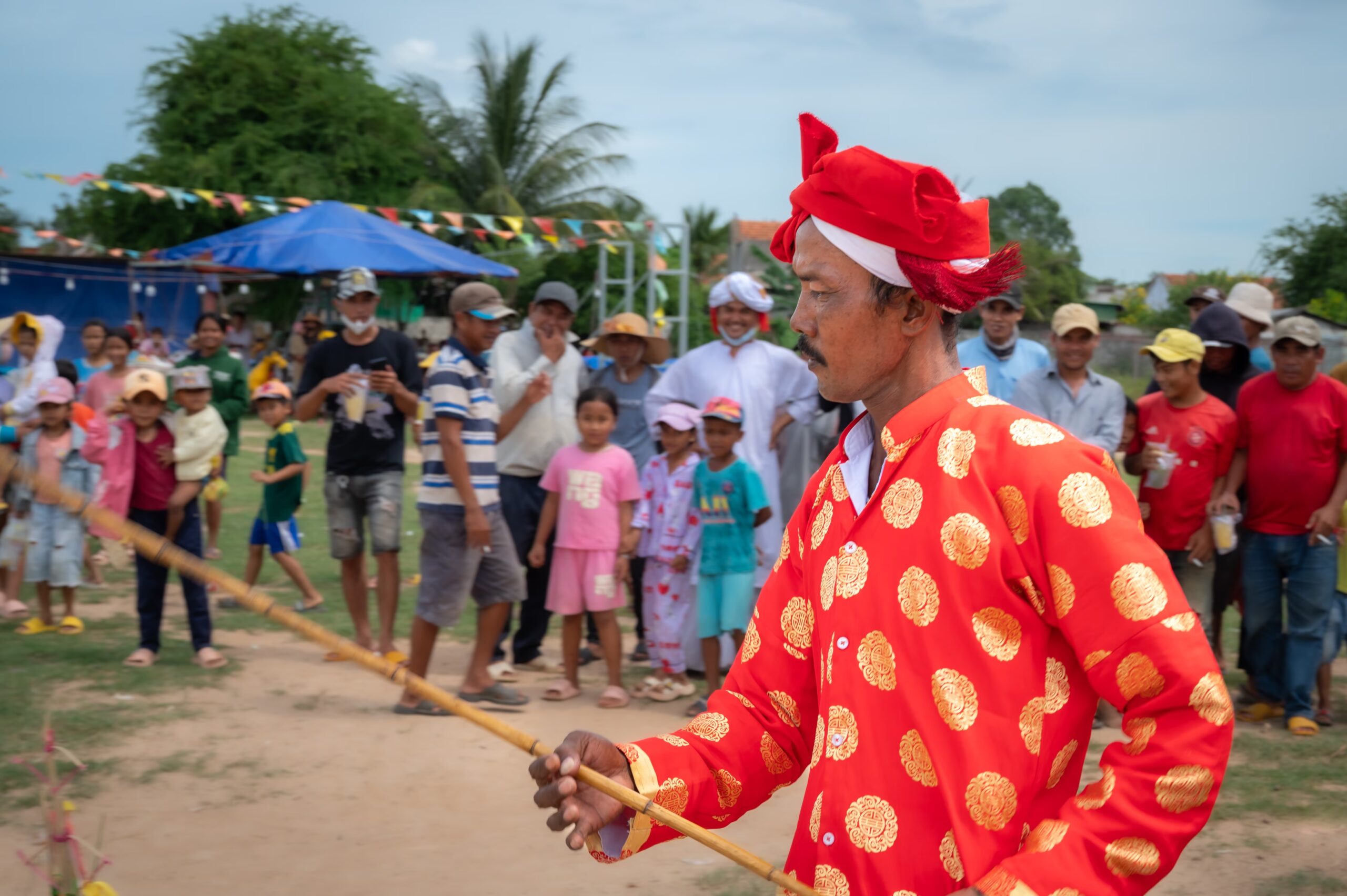 The most distinctive feature of the Rija Nâgar Festival is the fire-stepping dance performed by the shaman. Each deity invited to the ceremony has its own unique dance, costume, and prop. During the two days of the festival, the shaman is enraptured in a trance-like dance. At the moment of ecstasy, he wields a horse whip, leaping and stomping to extinguish the blazing fire in front of the ceremonial tent amidst the cheers of the crowd. The villagers believe that if the shaman successfully extinguishes the fire during a trance, they will be able to banish the drought and heat, bringing cool weather and favorable rain for farming.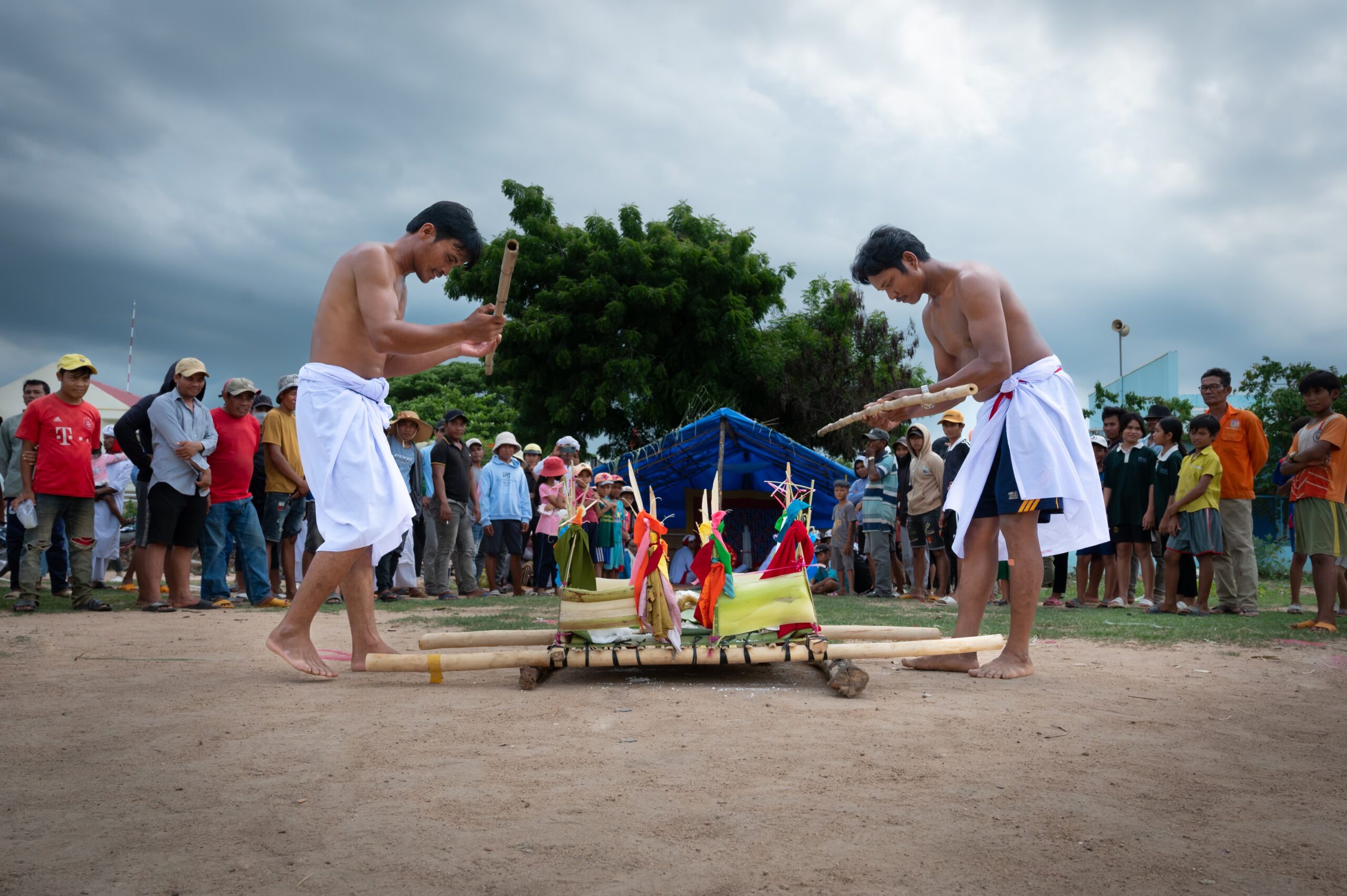

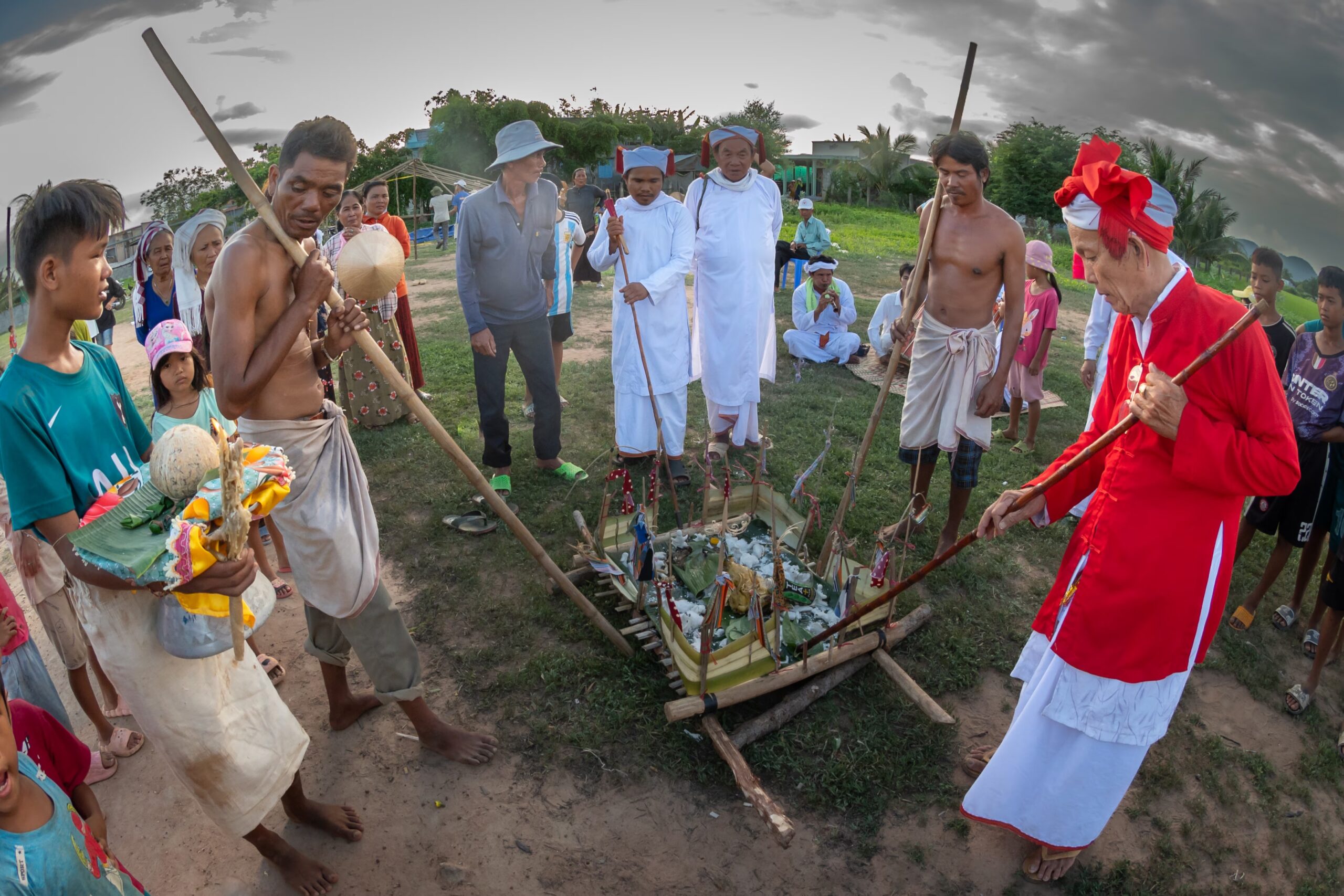 The Rija Nâgar ceremony takes place in a ceremonial house (kajang) in an open field at the end of the village. The offerings include: goats, chickens, five trays of rice, sticky rice and sweet soup, betel nuts, fruits (bananas, cakes), egg wine, beeswax, etc. In addition, the altar also features the important offerings of fire and water. The main shamans include Mâduen (the clapper) and Ka-in (the spirit medium), who wear red robes, perform ritual dances, step on fire, and enter a trance state to convey the community's wishes to the spirits and vice versa.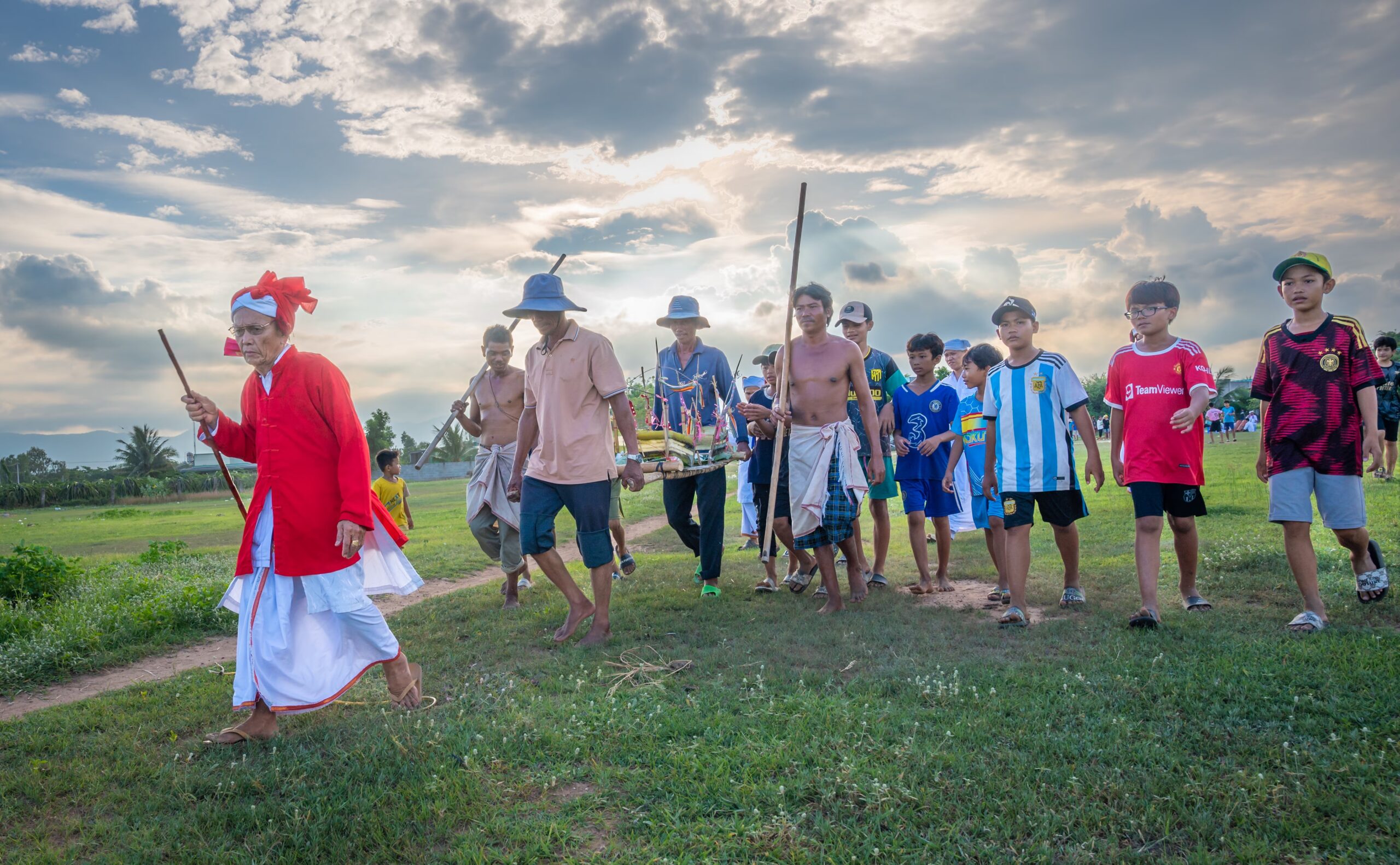
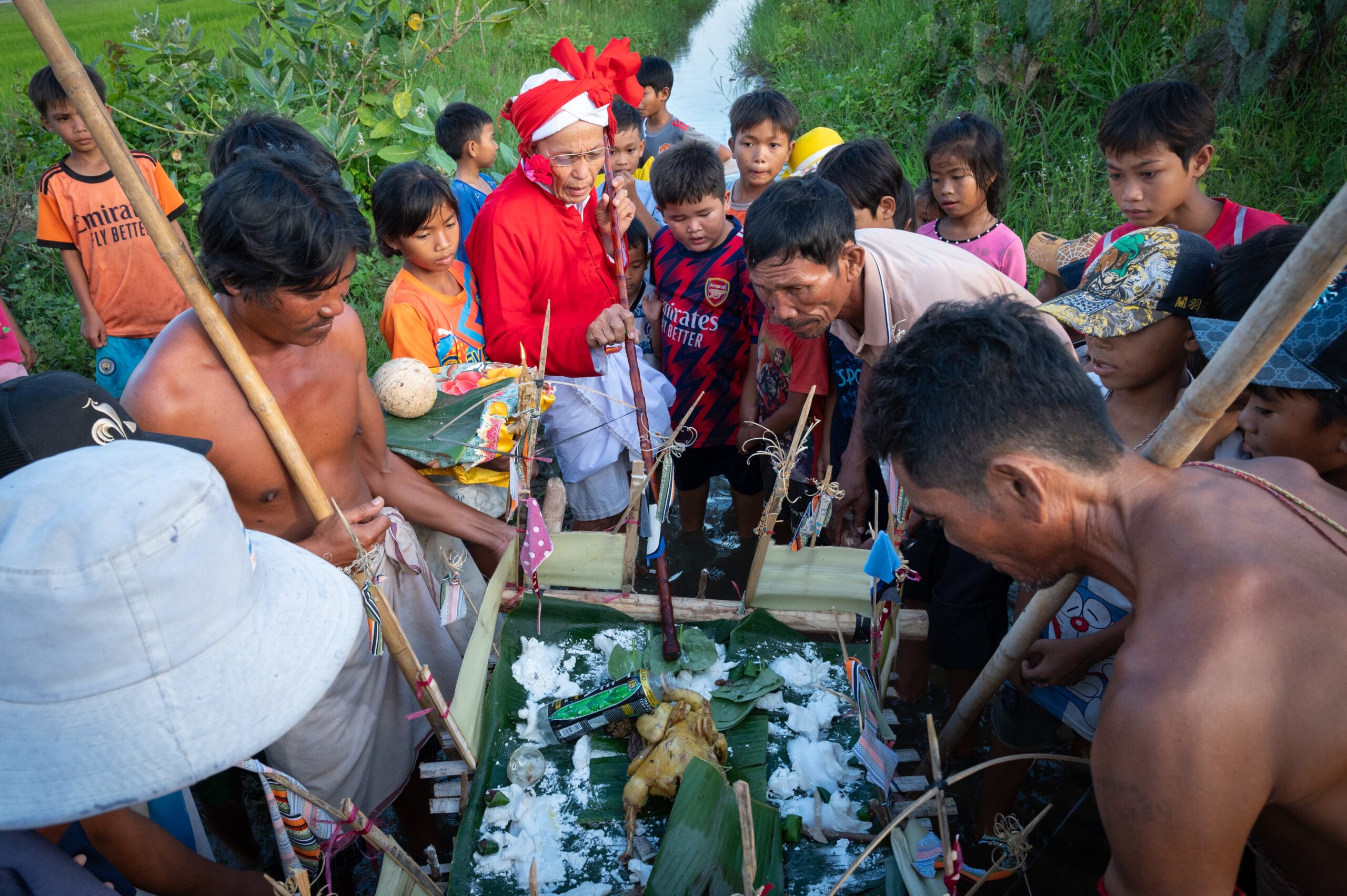
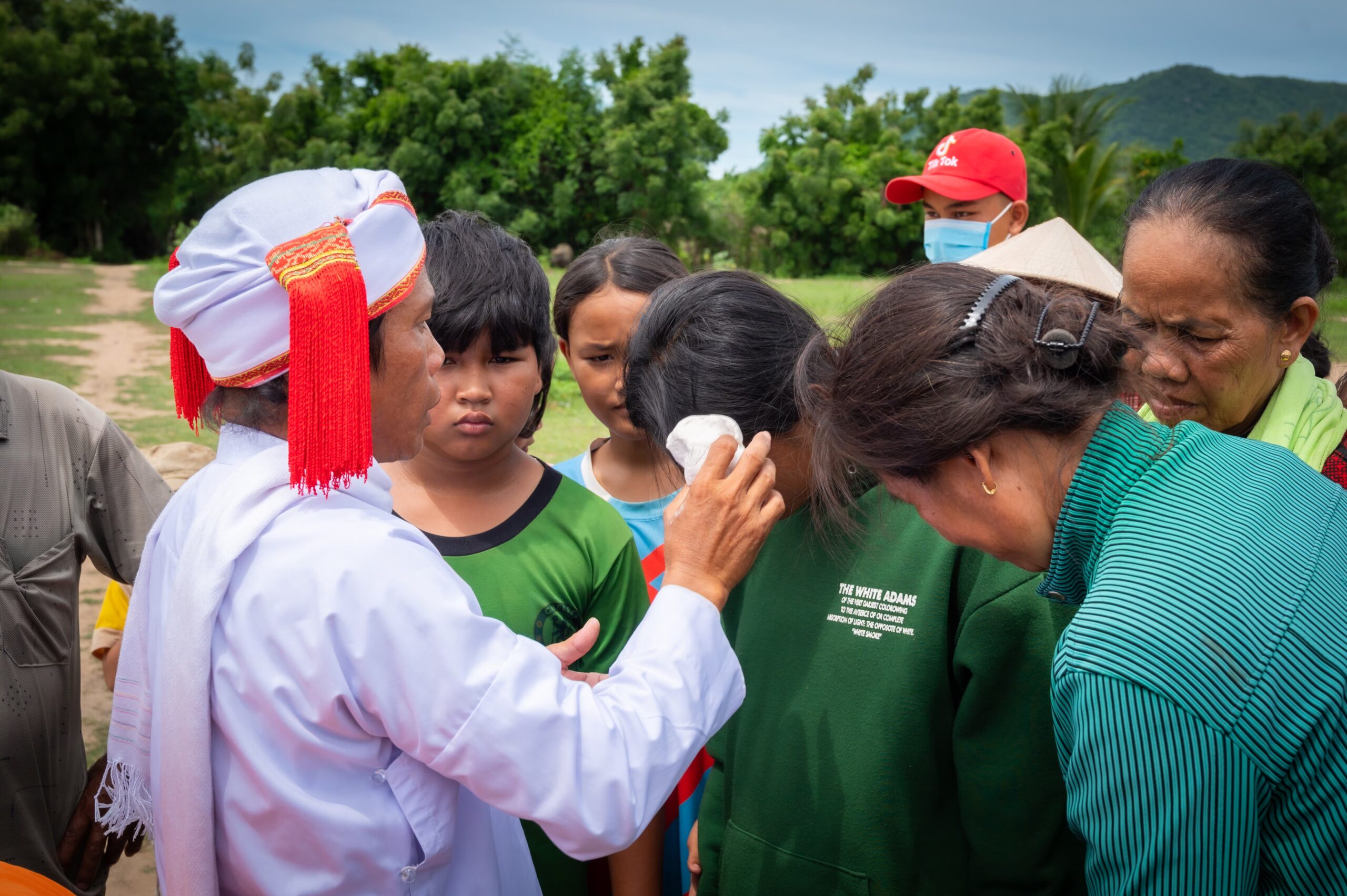
 The Rija Nâgar festival concludes with the Palaw Saih ritual, which involves releasing effigies made of rice flour to replace living people and livestock, thus dispelling the impurities and evils of the old year and welcoming good fortune, favorable weather, and a bountiful harvest in the new year. This New Year's festival is a unique traditional cultural feature of the Cham people, held on the first days of the new year according to the Cham calendar. For generations, the festival has been preserved with the meaning of praying for health, a peaceful life, favorable weather, and a bountiful harvest. It is also an opportunity for the Cham community to gather, learn, and exchange experiences in production, enriching their material and spiritual lives. In 2024, the "Happy Vietnam" photo and video contest continued to be organized by the Ministry of Information and Communications in collaboration with the Vietnam Association of Photographic Artists on the website. https://happy.vietnam.vn is open to all Vietnamese citizens and foreigners aged 15 and above. The competition aims to honor individuals and groups with positive informational products that make practical contributions to promoting a beautiful image of Vietnam to the world . Through this, it helps people at home, overseas Vietnamese, and international friends access authentic images of Vietnam, its people, its achievements in ensuring human rights, and towards a happy Vietnam. Each competition category (photos and videos) has the following prizes and prize values: – 1 Gold Medal: 70,000,000 VND – 2 Silver Medals: 20,000,000 VND – 3 Bronze Medals: 10,000,000 VND – 10 Consolation Prizes: 5,000,000 VND – 1 Most Voted entry: 5,000,000 VND. Winning authors will be invited by the Organizing Committee to attend the Award Ceremony and Certificate Presentation, broadcast live on Vietnam Television.
Vietnam.vn