
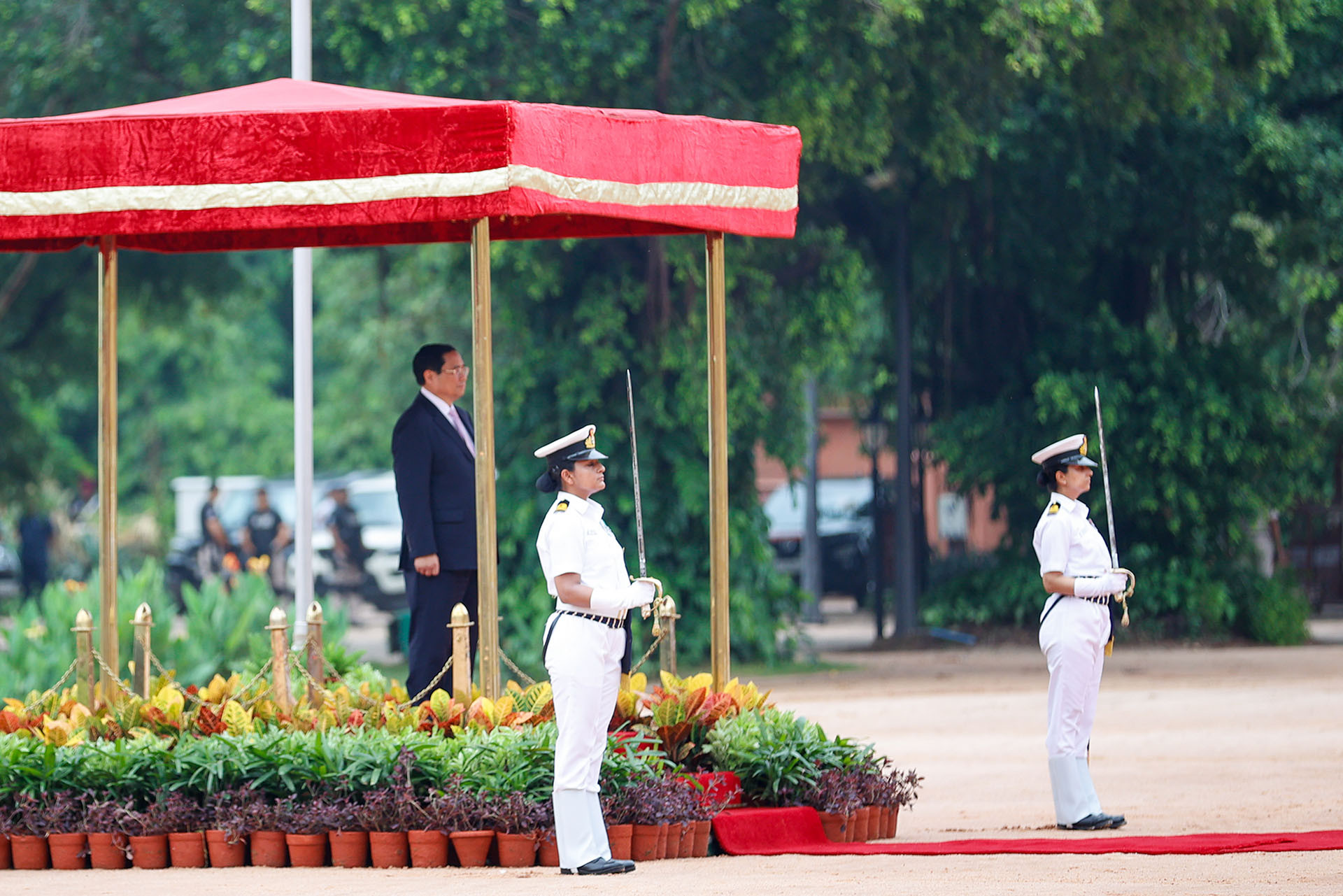
Prime Minister Pham Minh Chinh 's state visit to India is of paramount importance, creating momentum and opening a new, substantive and far-reaching chapter with more opportunities in Vietnam-India relations.
Foreign Minister Bui Thanh Son gave an interview regarding Prime Minister Pham Minh Chinh's state visit to India from July 30 to August 1.
25 diverse activities
Could the Minister briefly summarize the Prime Minister 's activities during his two-day state visit to India?
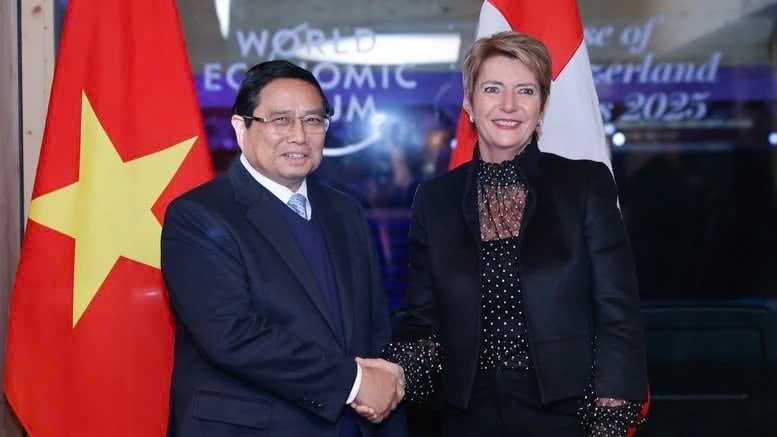
At the invitation of Indian Prime Minister Narendra Modi, Prime Minister Pham Minh Chinh and a high-level Vietnamese delegation paid a state visit to India.
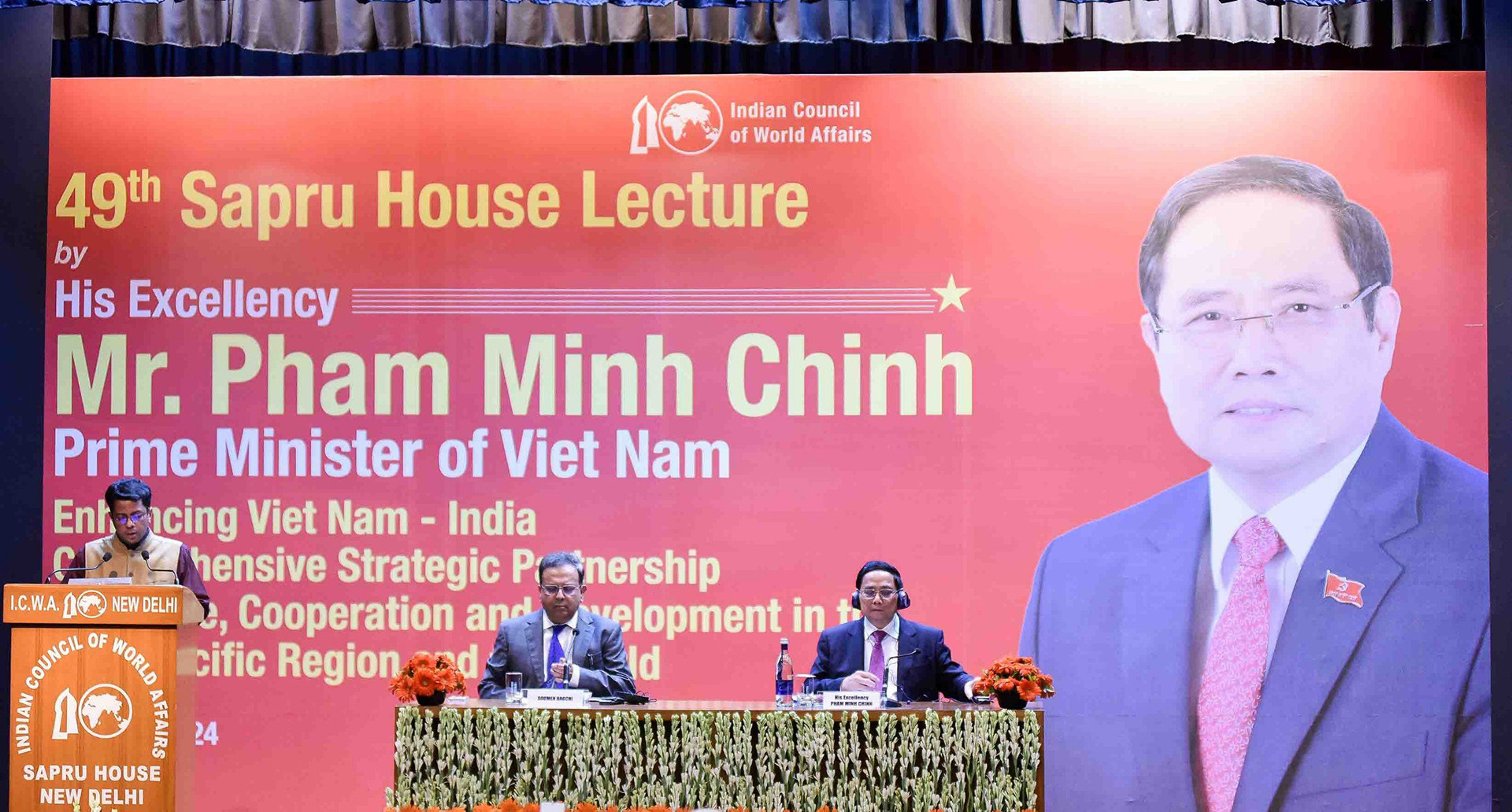
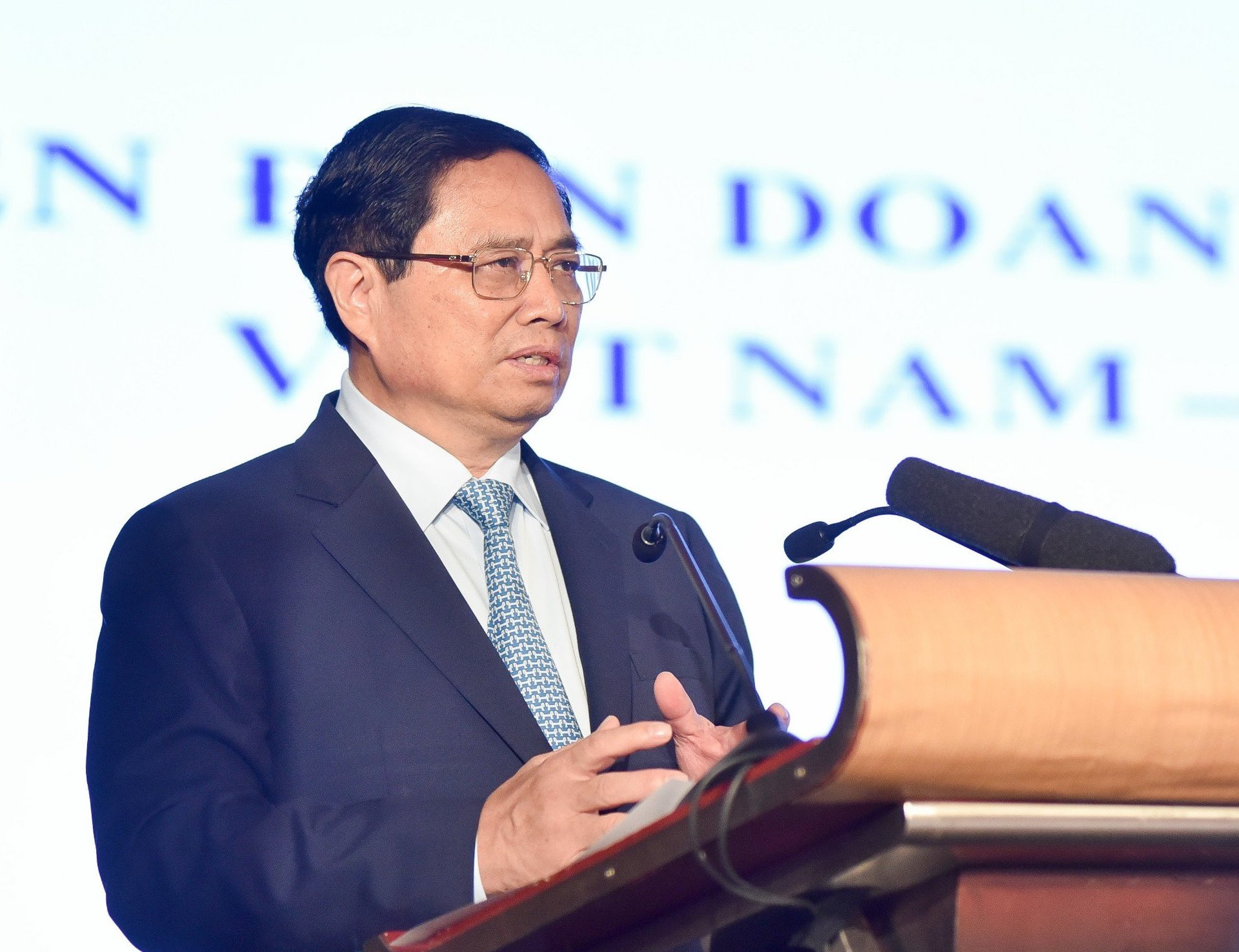
In just two days, the Prime Minister had a packed, rich, and diverse work schedule, with approximately 25 activities, including talks and meetings with high-ranking Indian leaders and major Indian corporations, speeches at the Vietnam-India Business Forum, and the Indian Council on International Affairs.
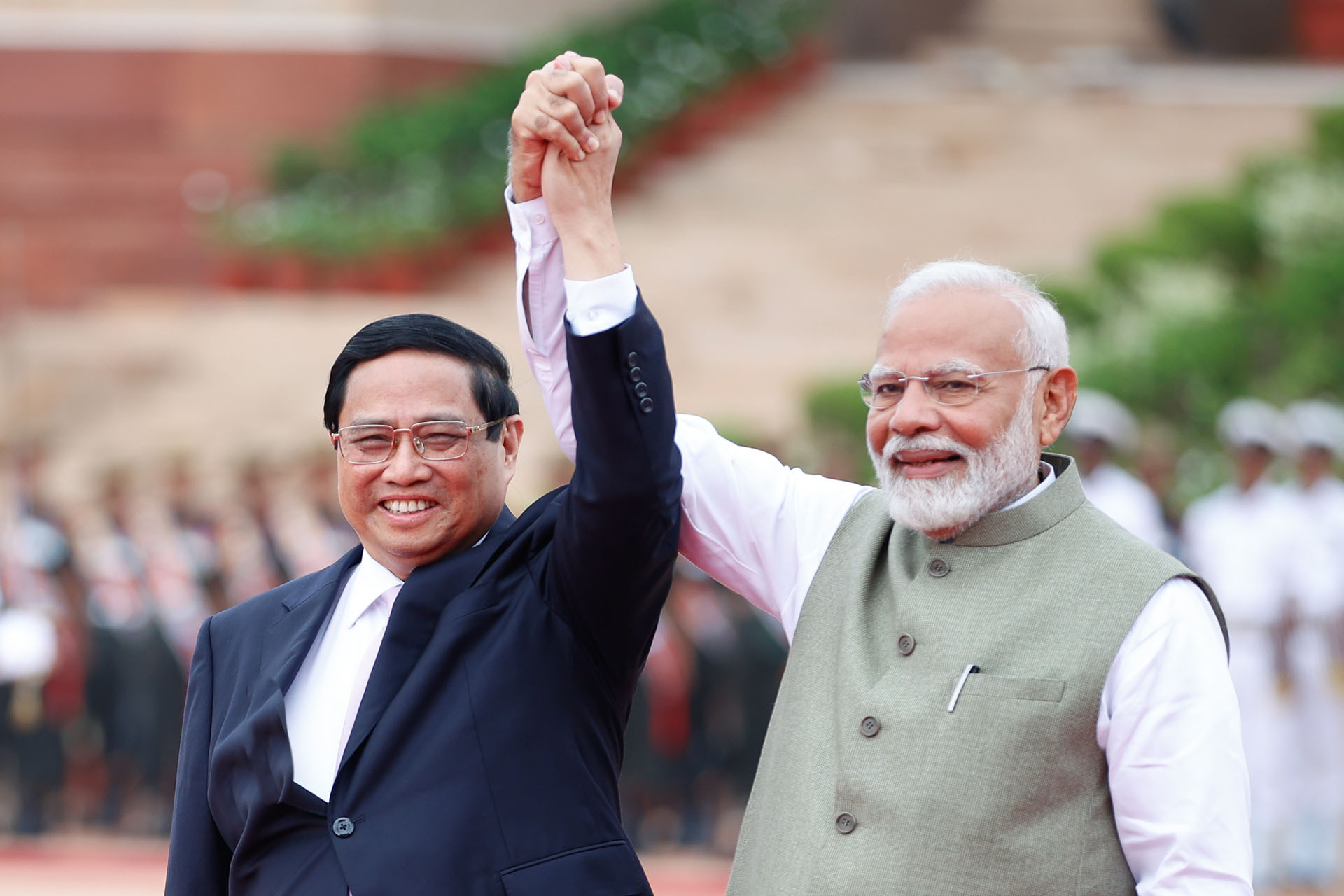
Prime Minister Pham Minh Chinh and Indian Prime Minister Narendra Modi reaffirmed the message of further strengthening the Vietnam-India Comprehensive Strategic Partnership.
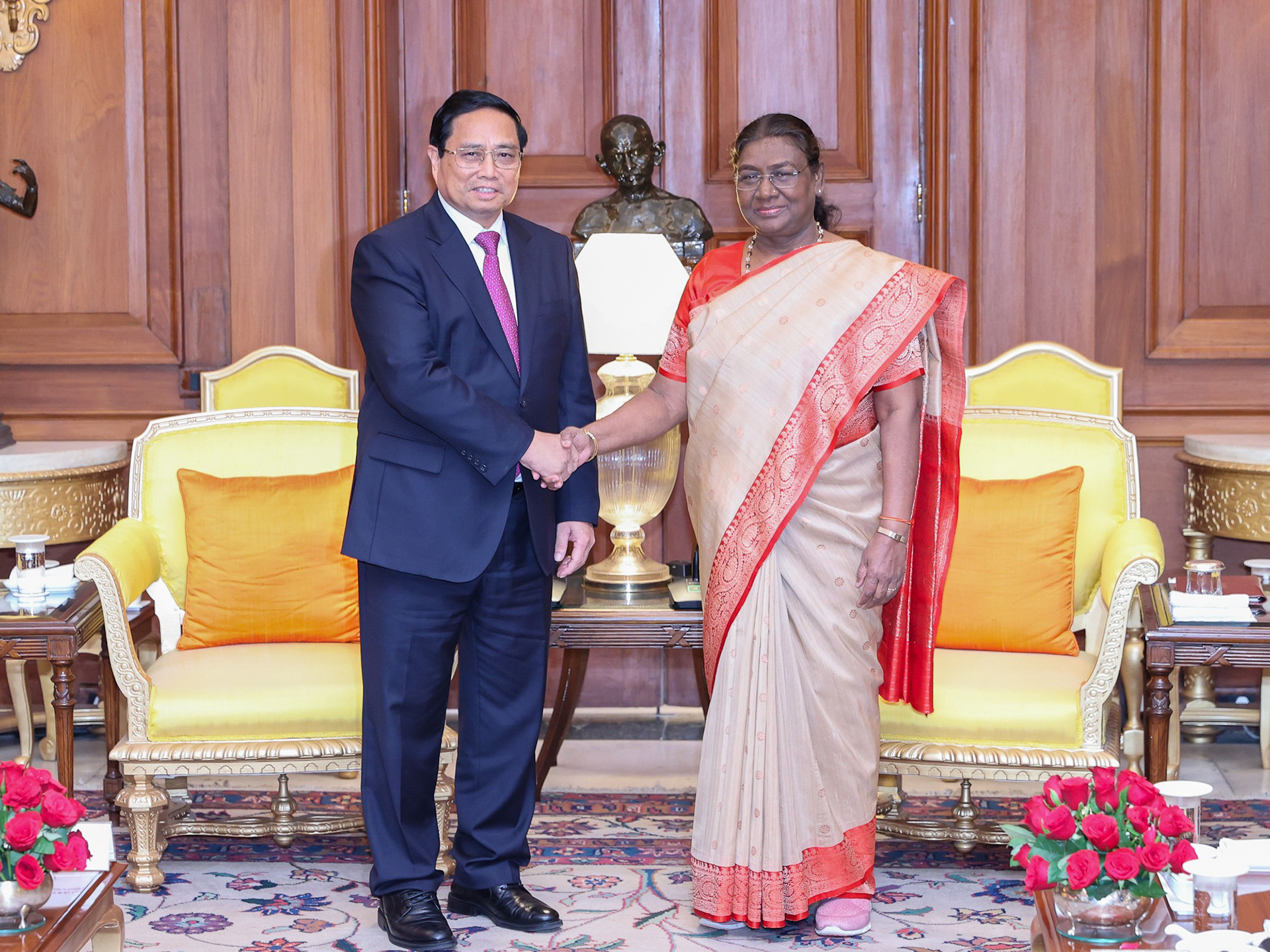
The Prime Minister's meetings and interactions with Indian leaders helped reaffirm the close friendship and strong traditional relationship between the two countries, as well as the respect and support that both countries have for each other in their overall foreign policies.
Indian leaders express their deepest condolences on the passing of General Secretary Nguyen Phu Trong, an outstanding leader of the Vietnamese people and a close friend of the Indian people.
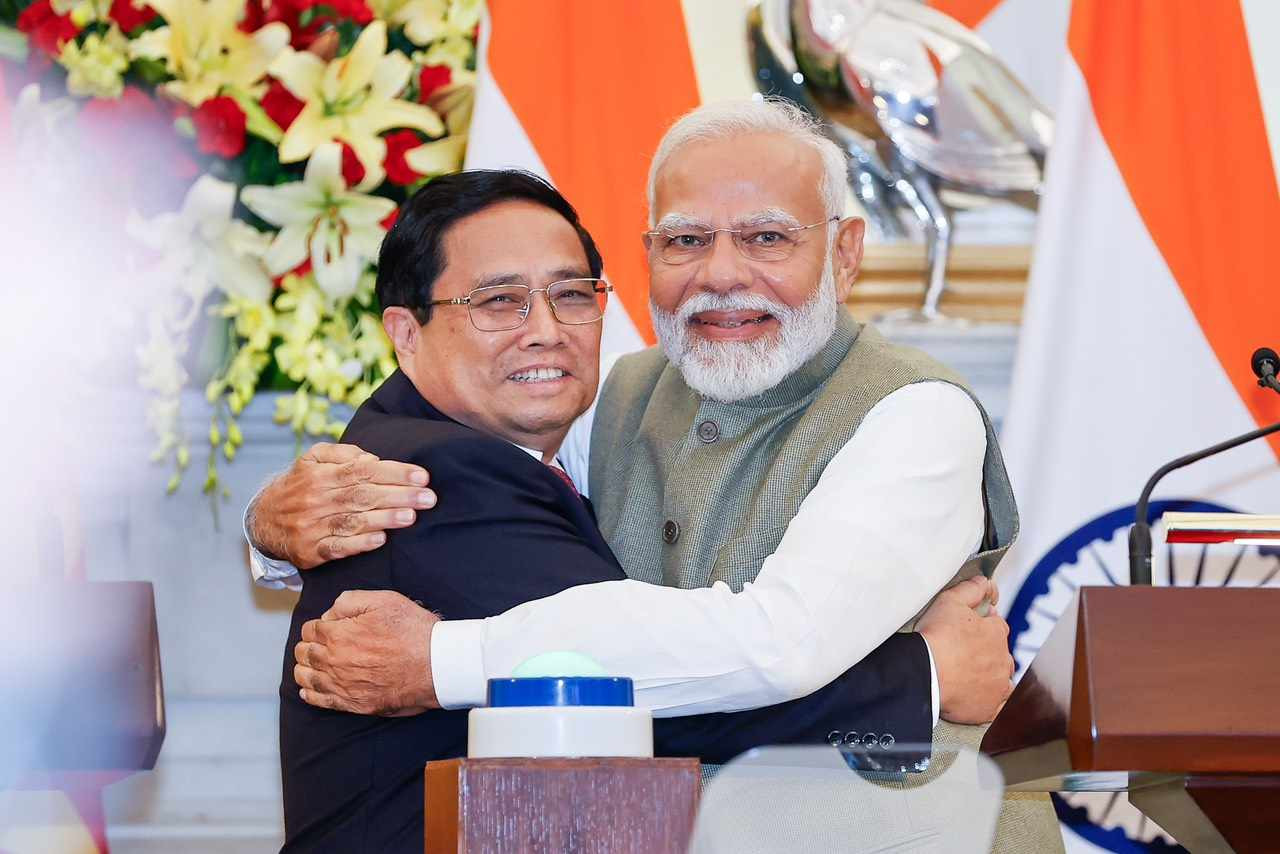
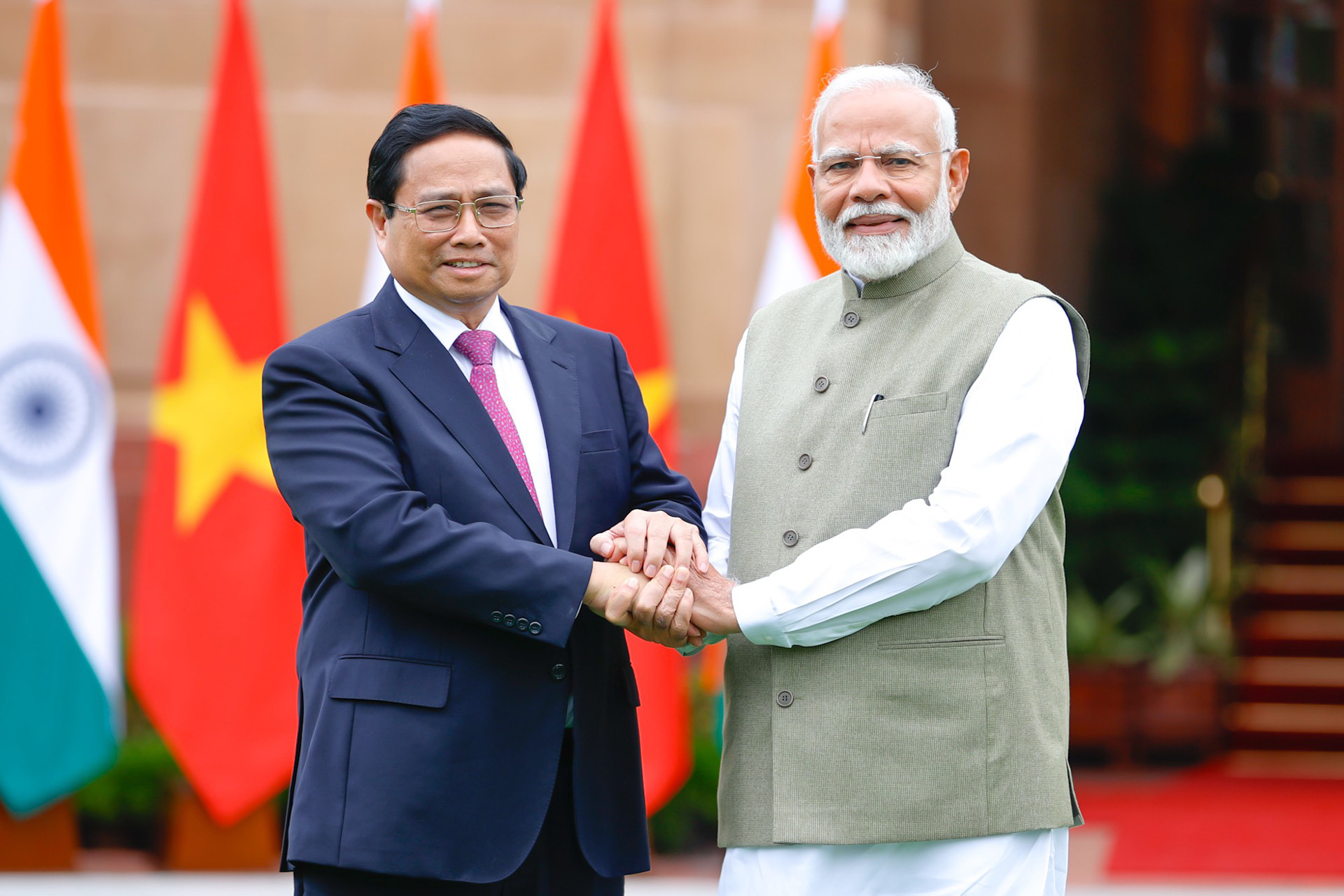
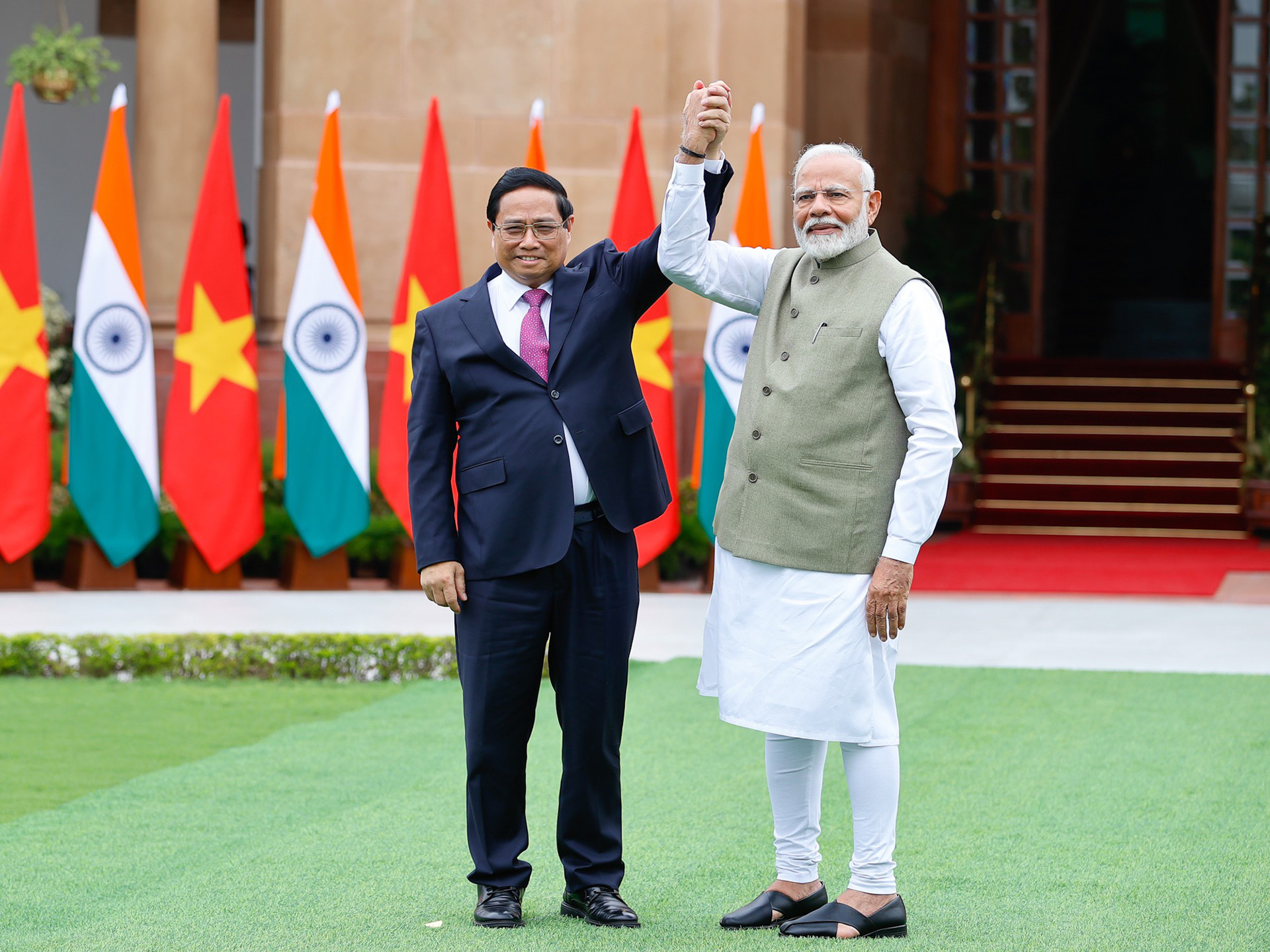
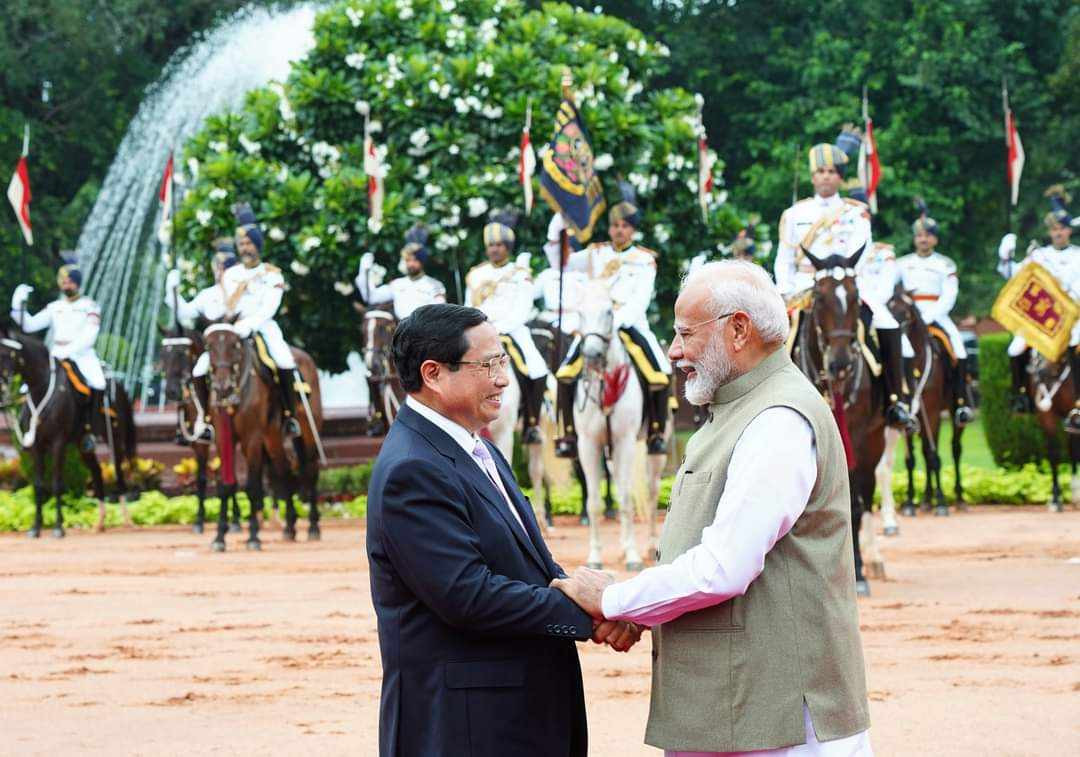
Indian Prime Minister Narendra Modi welcomed Prime Minister Pham Minh Chinh with warmth and cordiality.
Therefore, the visit is of paramount importance, creating new momentum and opening a new, more substantive and profound chapter, with more opportunities in Vietnam-India relations. The visit also helps affirm that Vietnam and India always support each other, are ready to cooperate, and work together to build peace, stability, cooperation, and development in the Asia-Pacific and Indian Ocean regions. It can be said that the Prime Minister's visit has become a powerful catalyst, affirming the high determination of the leaders of both countries to bring bilateral relations into a new, stronger, more practical, and more effective phase, with deeper trust and more opportunities. Strengthening the Comprehensive Strategic Partnership in the spirit of "5 more." So, according to you, what are the outstanding results of Prime Minister Pham Minh Chinh's State visit to India? The visit was a great success, achieving the set goals with concrete and practical results, meeting the concerns and expectations of both sides. The two sides issued a Joint Statement on strengthening the Comprehensive Strategic Partnership, and signed nine documents in the fields of diplomacy, defense, finance, health, culture, tourism, and human resource training, including the Action Program for implementing the Comprehensive Strategic Partnership for the period 2024-2028. During the exchange, Prime Minister Pham Minh Chinh, along with Indian Prime Minister Narendra Modi and other Indian leaders, agreed to strengthen cooperation in the spirit of "five mores".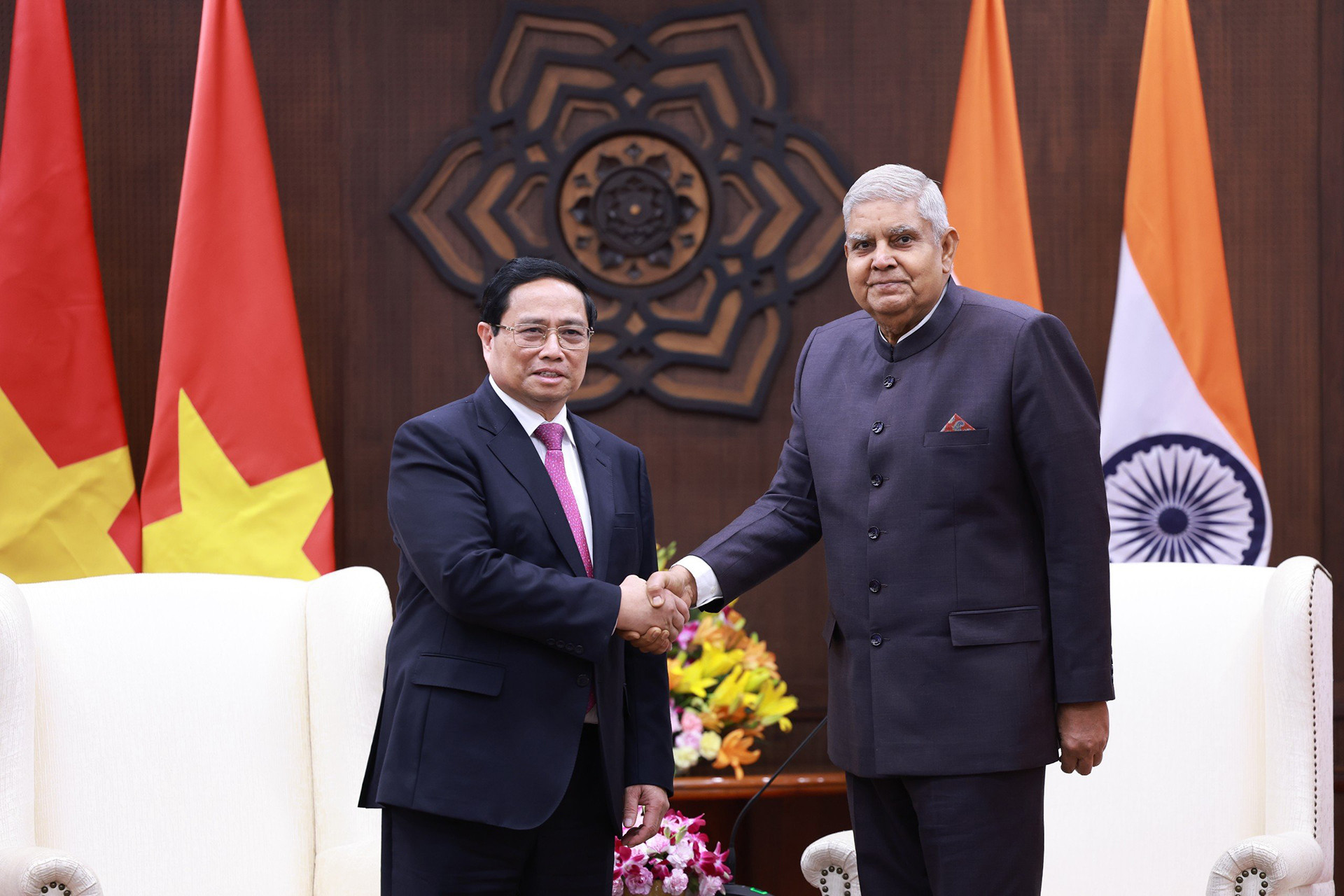
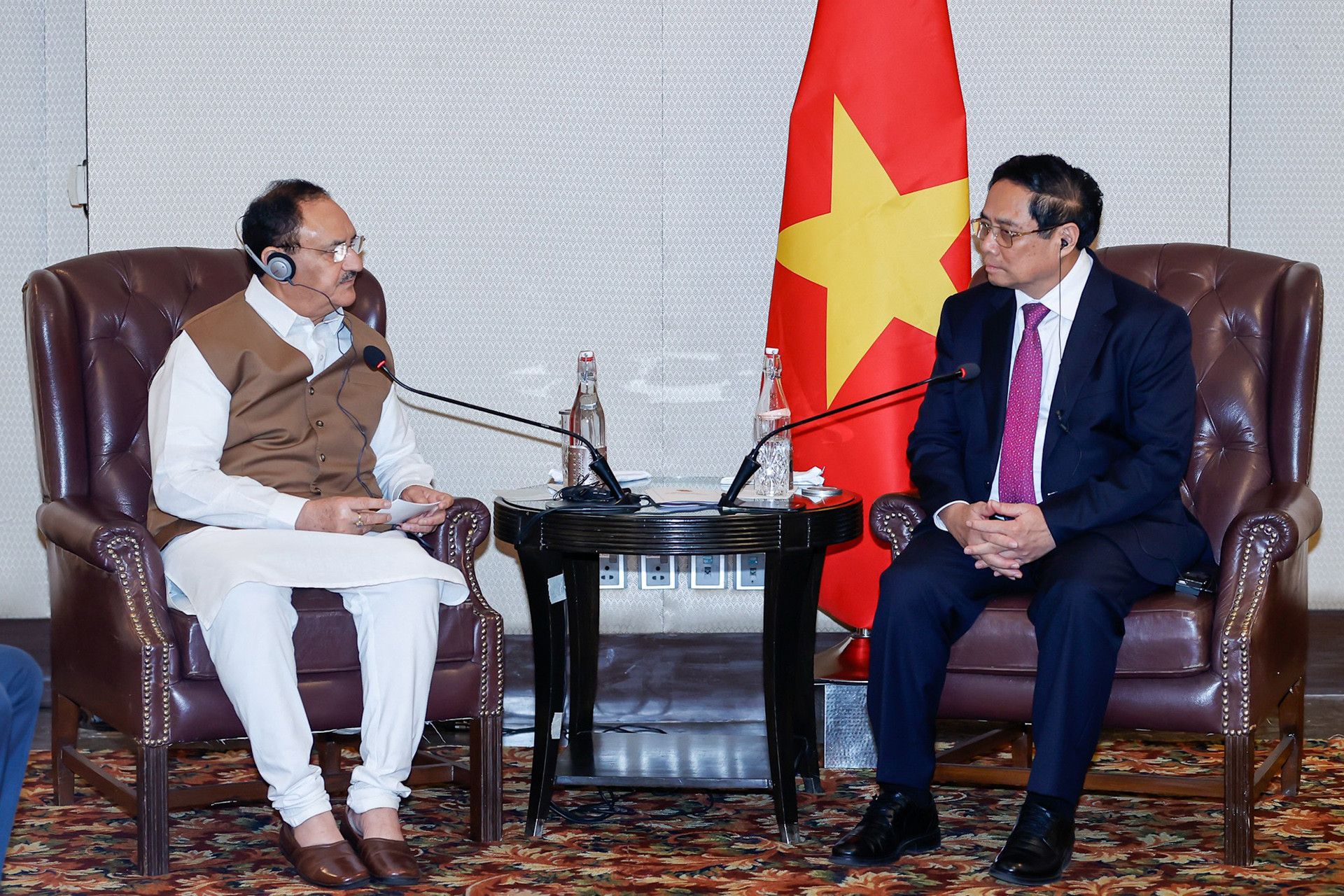
 Firstly, there is a higher level of political and strategic trust. Leaders of both countries affirmed the importance of further strengthening exchanges of delegations and contacts through Party, Parliament, Government, and local channels, continuing the implementation of the Distinguished Guest Program between the two sides; and enhancing the effectiveness of cooperation mechanisms. Vietnam's announcement of its membership in the Disaster Resilience Infrastructure Alliance (CDRI) and its affirmation of the early completion of procedures to join the International Solar Alliance (ISA), two of India's important global initiatives, have contributed to consolidating trust between the two countries. Secondly, there is deeper defense and security cooperation with the effective implementation of the Joint Declaration on Vietnam-India Defense Partnership to 2030, expanding cooperation in maritime security, cybersecurity, and counter-terrorism. The signing of a $500 million defense credit package by both sides is a breakthrough during the visit. Thirdly, economic, trade, and investment cooperation should be more substantive, effective, and groundbreaking. Both sides aim for bilateral trade turnover to reach US$20 billion and double bilateral investment by 2030. Vietnam has requested India to address trade barriers and promote Vietnamese products with competitive advantages in India's large and promising market, such as electronics, textiles, and agricultural products; and attract large Indian corporations to invest in Vietnam in infrastructure, pharmaceuticals, and energy sectors.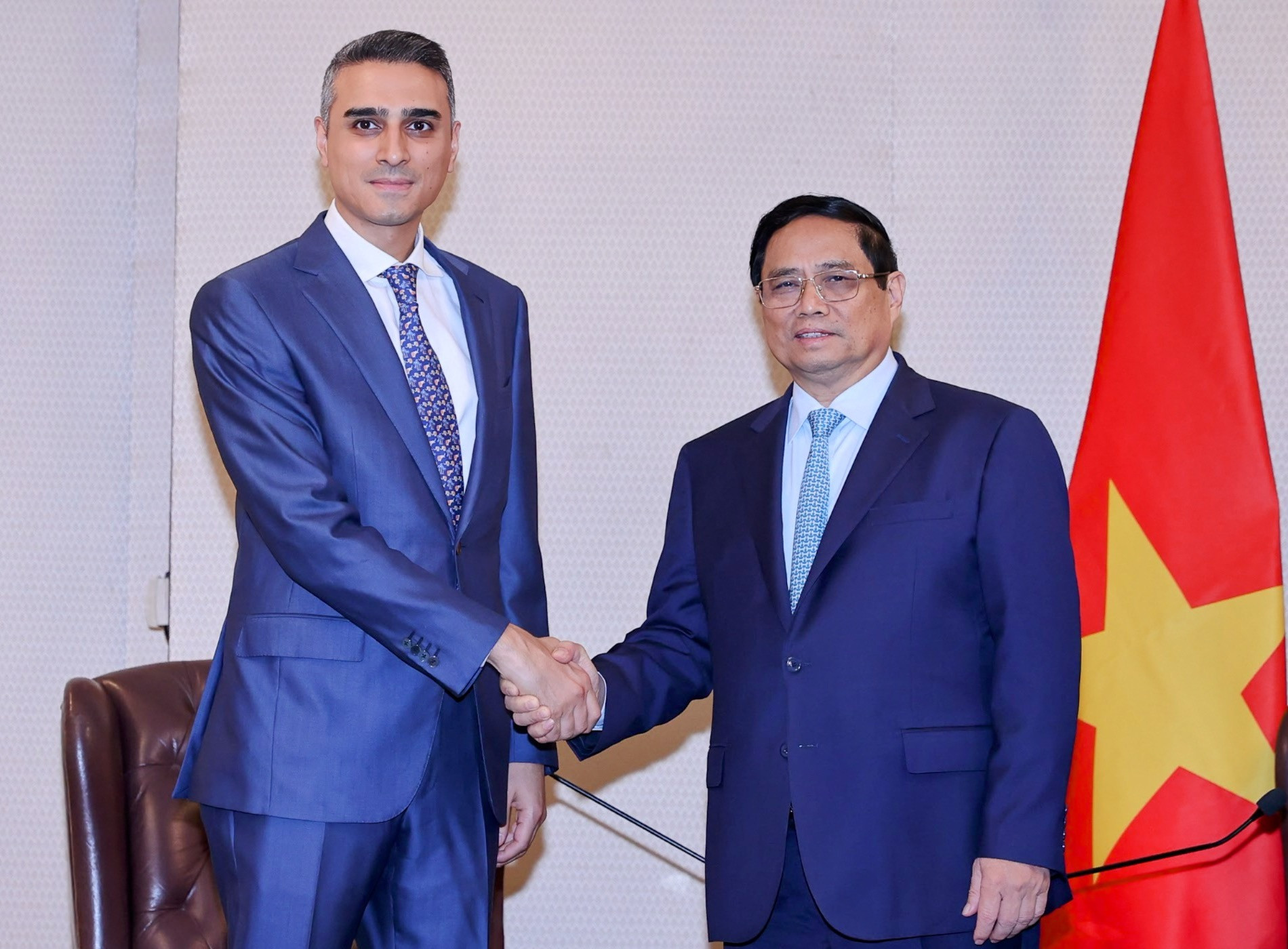
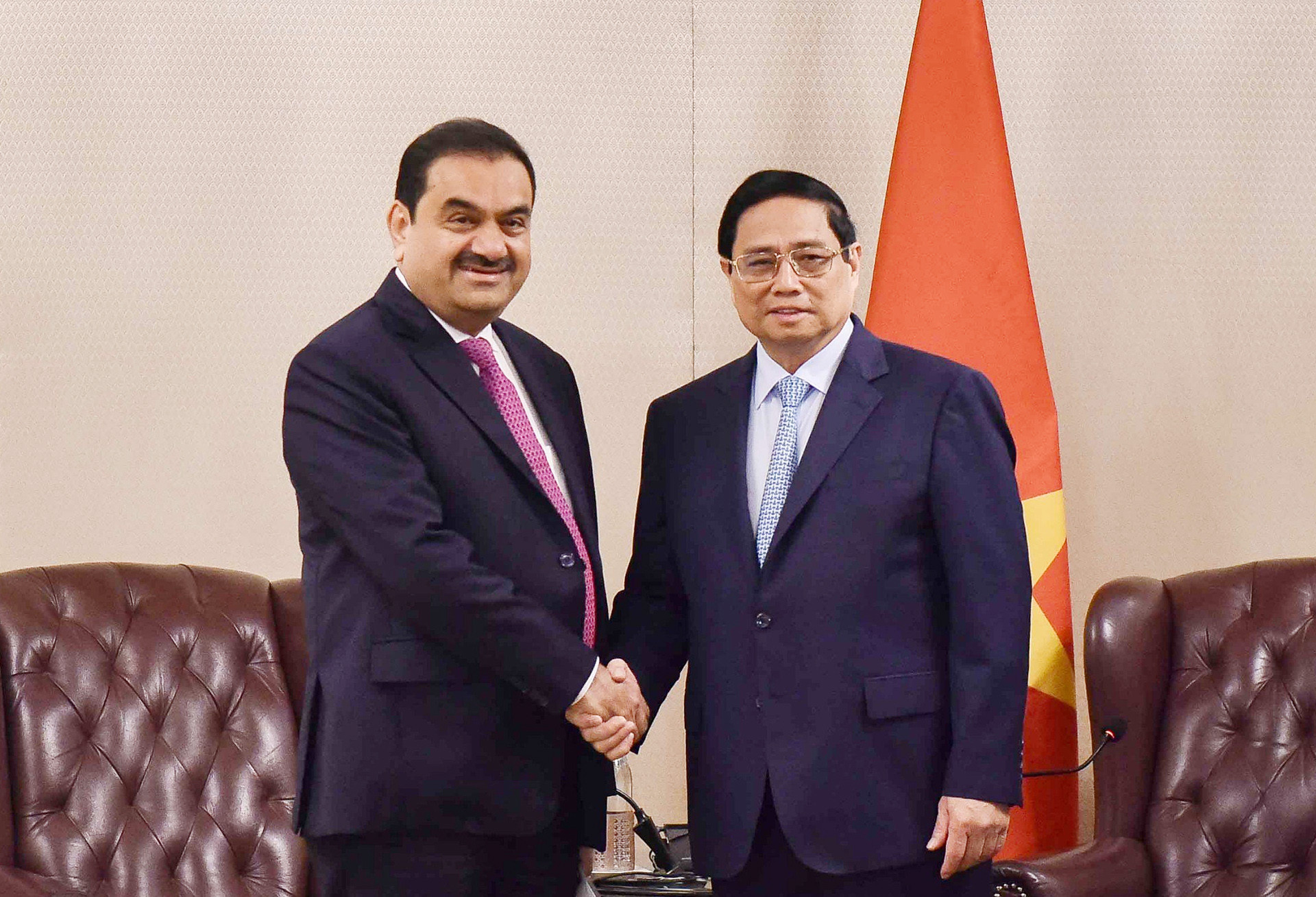
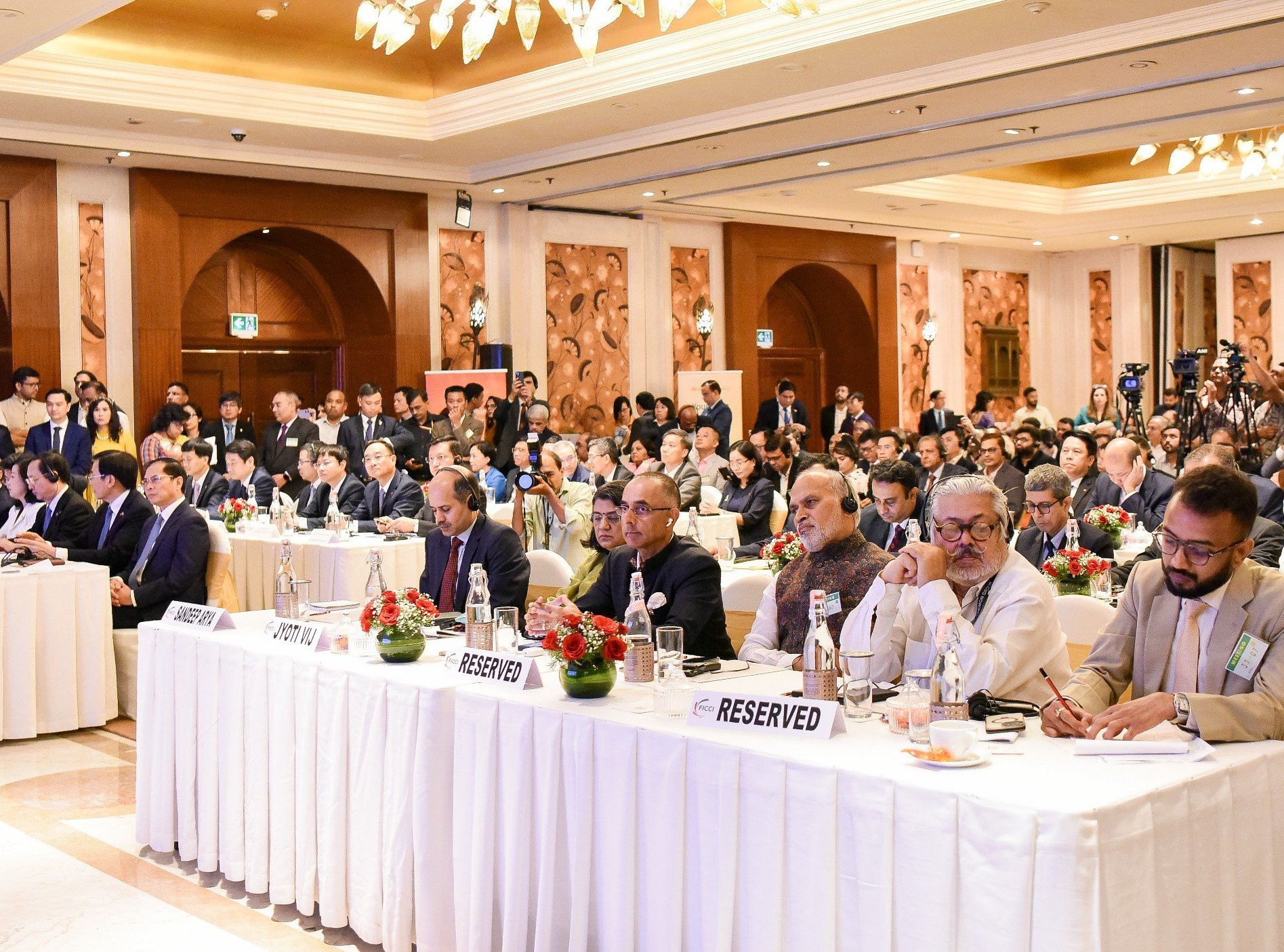 On this occasion, businesses from both countries signed six major contracts in aviation, airports, and logistics. Vietjet Air announced a direct flight route between Da Nang and Ahmedabad (India), aiming to further increase direct flights between the two countries (currently 54 flights/week). Fourthly, cooperation in science and technology and innovation will be broadened . Accordingly, both sides agreed to promote cooperation in research and development (R&D) and innovation in core technologies, semiconductor chips, artificial intelligence, and cooperation in atomic energy and rare earth elements. At the same time, cooperation will be expanded in the petrochemical sector and new energy fields, promoting the establishment of joint ventures to produce IT products and cooperating in training IT engineers to meet the development needs of this industry.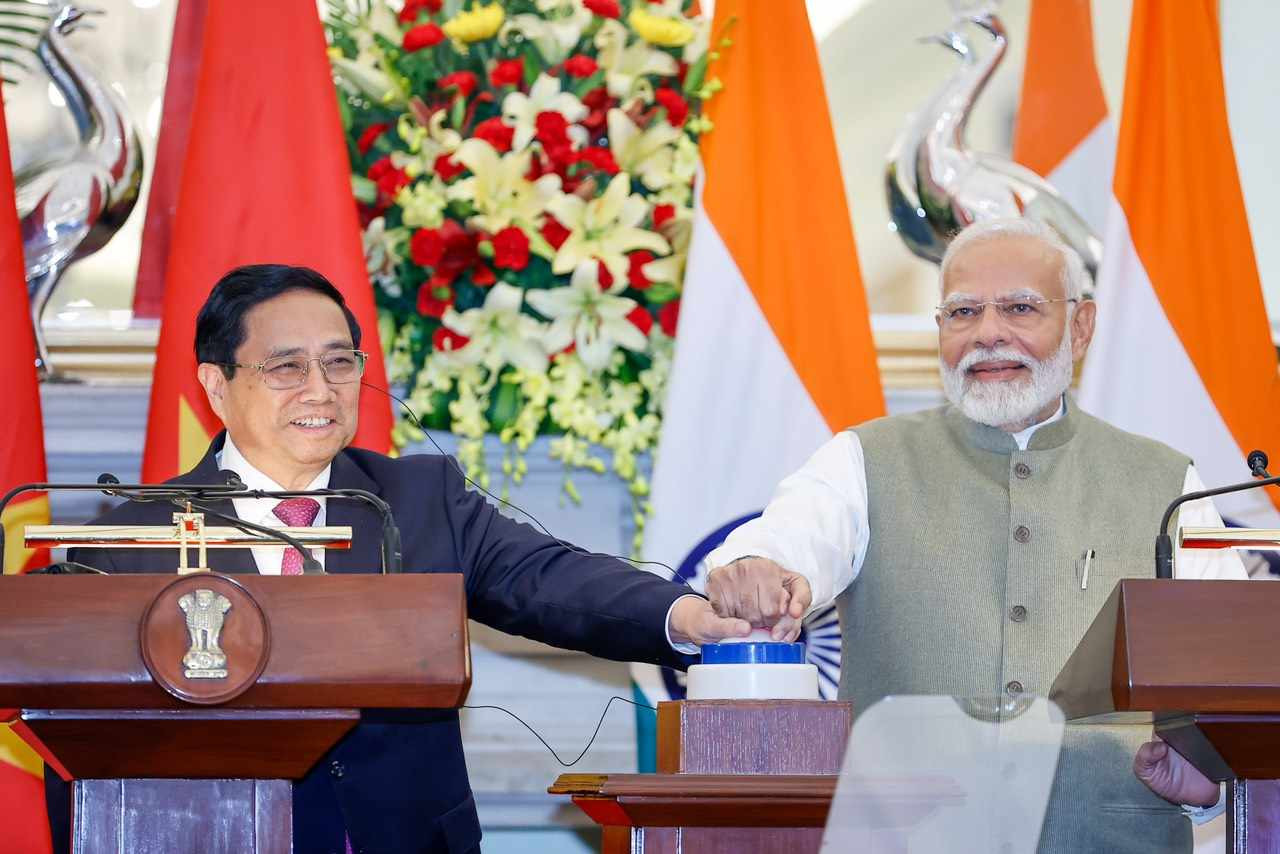
The two Prime Ministers pressed the button to inaugurate the military software park in Nha Trang.