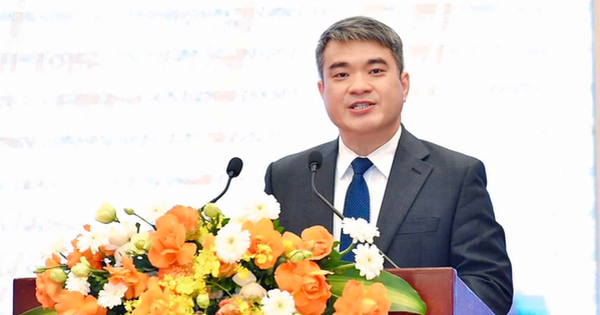

This point was emphasized by Deputy Minister of Education and Training Pham Ngoc Thuong in the guidelines for implementing tasks in the 2024-2025 school year for primary education.
The regulation was introduced in the context of many major cities and urban areas in Hanoi , Ho Chi Minh City, Binh Duong, and Hai Phong experiencing overcrowding in previous school years, with some places having nearly 50 students per classroom, which significantly affected the quality of teaching and learning.
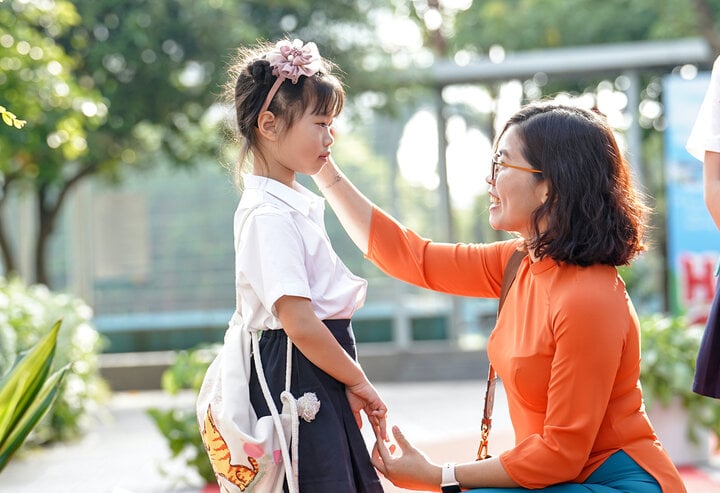
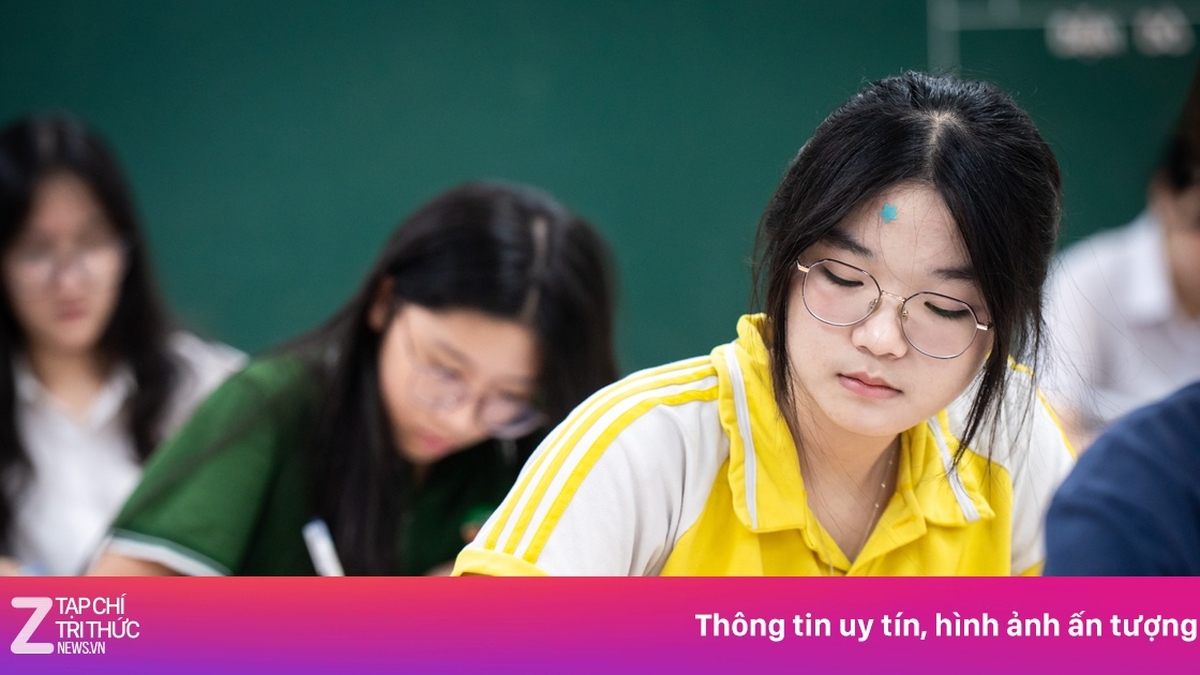
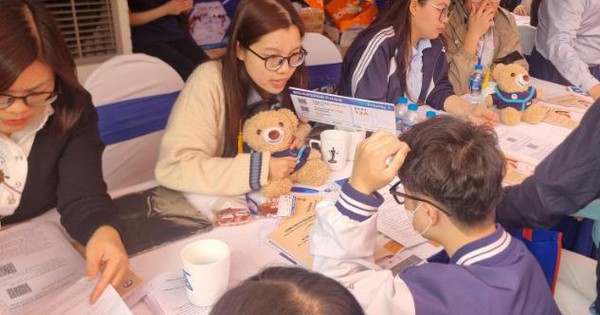
The Ministry of Education and Training requires that the maximum class size in primary schools be only 35 students per class. (Illustrative image)
Accordingly, the Ministry of Education and Training requires schools to ensure the number of students per class complies with the regulations of the Primary School Charter (35 students per class) and to have sufficient minimum teaching equipment. They must also ensure a teacher-to-class ratio of 1.5 and a sufficient number of teachers to teach all subjects and educational activities.
The Ministry of Education and Training provides specific guidance that schools should organize teaching and learning in two sessions per day, with no more than 7 lessons per day, each lesson lasting 35 minutes. The minimum teaching plan should be 9 sessions per week with 32 lessons per week. The plan must ensure a reasonable allocation of content to help students complete their tasks.
The Ministry of Education and Training also requires that timetables be arranged scientifically , ensuring a reasonable balance between teaching content and educational activities that are appropriate to the psychological and physiological characteristics of primary school students.
The Ministry also requested that localities maintain environmental hygiene in schools and have plans to ensure the physical and mental health of students, teachers, and administrators.
"Before the start of the school year, educational institutions must inspect, review, and reassess the quality of school buildings, and not put into use buildings and classrooms that have exceeded their lifespan or do not ensure safety," the Ministry of Education and Training stated.
Regarding teaching plans, the Ministry of Education and Training requires provincial Departments of Education and Training to direct schools to develop teaching plans and allocate time for implementing the curriculum in a way that ensures scientific and pedagogical soundness, without putting pressure on students.
The Ministry of Education and Training requires provincial Departments of Education and Training to direct schools to develop teaching plans that are scientifically sound, pedagogically sound, and do not put undue pressure on students.
Focus on implementing the development plan for the school network and ensuring adequate facilities; maintaining and improving the quality of universal primary education, as well as making primary education compulsory as stipulated in the 2019 Education Law.
Localities continue to improve the quality of their teaching staff and management personnel. They are implementing plans for recruiting, training, and developing teachers to ensure the quality of teaching in all subjects.
The Ministry of Education and Training requests continued inspection, examination, and supervision within its authority; and the effective and practical exploitation and use of textbooks and teaching equipment.
According to the Ministry of Education and Training, extracurricular activities are those based on students' needs and interests. These activities must be organized after official school hours until students are picked up by their parents.
"Based on students' needs and interests, activities can be organized in the form of club activities or using school facilities such as libraries, playgrounds, sports fields, multi-purpose halls, etc., to create opportunities for students to play and have fun. Organizing after-school activities in the form of club activities requires approval from the competent authority," according to the Ministry of Education and Training.


In the 2024-2025 school year, the number of students in Hanoi and Ho Chi Minh City is expected to increase sharply.
According to Mr. Nguyen Van Hieu, Director of the Department of Education and Training of Ho Chi Minh City, it is projected that in the 2024-2025 school year, the entire city will see an increase of 24,097 students, including 17,288 in public schools and 6,809 in private schools, with the highest increase at the high school level with 16,999 students.
Currently, in some districts and counties, many primary schools have class sizes exceeding 45 students per class – this somewhat hinders management and teaching quality. To meet the demand for sufficient classrooms, it is projected that 23 projects with 476 new classrooms will be put into use before the 2024-2025 school year, including 412 additional classrooms.
According to the Hanoi Department of Education and Training, the number of students entering the first grade in Hanoi is expected to continue to increase sharply in the 2024-2025 school year. It is projected that the number of students entering grade 1 will increase by 7,000; grade 6 by 58,000; and grade 10 by 5,000 compared to the previous school year. The city plans to build 30-40 new schools to meet the demand for school places at all levels.
Source: https://vtcnews.vn/bo-gd-dt-yeu-cau-si-so-cac-lop-tieu-hoc-toi-da-chi-35-em-lop-ar887353.html